Storage Container Tips: Protect Your Furniture the Right Way
If you’ve ever worried about what might happen to your couch or wardrobe while it’s in a storage unit, you’re not alone. A few simple moves can stop mold, warping, and pests from ruining your stuff. Below are the basics you need to get right the first time you pack.
Choosing the Right Container
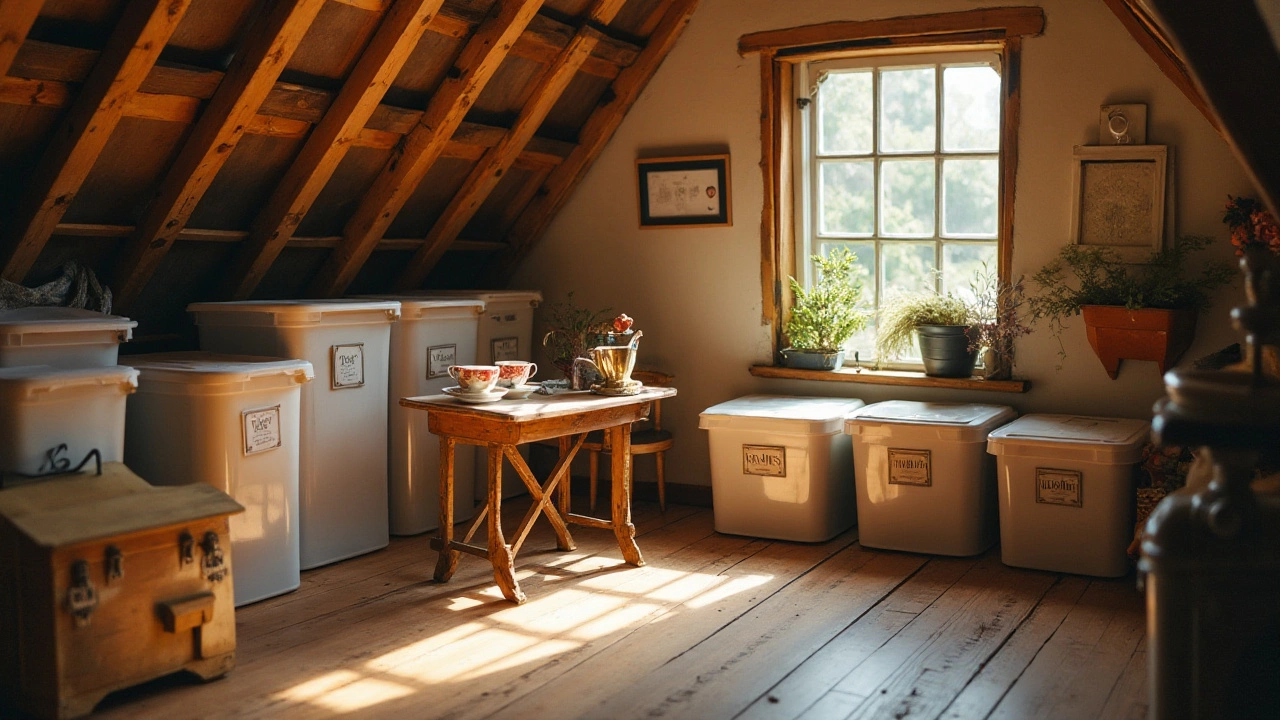
Start with a sturdy, weather‑proof container. Plastic units with tight‑fit lids keep rain out better than cheap cardboard boxes. Look for a container that has ventilation slots – they let air flow and stop humidity from building up inside.
Size matters too. A container that’s too big forces you to leave empty space where air can sit and cause mold. Try to fill the container as much as possible without crushing anything. Use sturdy shelves or pallets to keep the bottom off the floor; that protects furniture from any damp ground.
Simple Steps to Protect Your Items
1. Wrap everything. Use breathable moving blankets or cotton sheets to cover sofas, tables, and wooden pieces. Avoid plastic wrap on wood; it traps moisture and can make the wood warp.
2. Control humidity. Throw a few silica gel packets or a small dehumidifier pack into the container. They soak up excess moisture and lower the chance of mold growing on fabrics or wood.
3. Seal against pests. Mice hate the scent of peppermint oil and mint leaves. Place a few cotton balls soaked in peppermint oil around the edges of the container. It’s a cheap, natural way to keep rodents away.
4. Label clearly. Write the contents and the room it belongs to on a label. When you pull the container out, you’ll know exactly where each piece goes – no extra lifting or guessing.
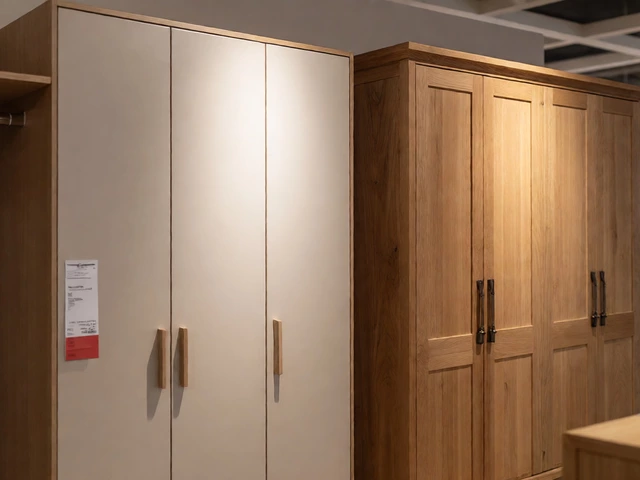
5. Keep weight even. Distribute heavy items like wardrobes across the bottom and lighter stuff on top. This prevents the container from tipping and keeps the floor of the unit stable.
6. Check temperature. If you can, pick a climate‑controlled storage unit. A stable temperature stops wood from expanding and contracting, which reduces cracks and warping.
7. Plan for access. Store the items you’ll need first at the front of the container. That way you don’t have to dig through everything to reach a single piece.
Following these tips saves you money and headaches later. Your furniture stays in the condition you left it, and you avoid the nasty surprise of finding a moldy couch or a warped table when you finally retrieve it.
Got a specific concern? Drop a comment below and we’ll help you figure out the best fix for your storage situation.