Wardrobe Cost Estimator
Use this tool to estimate the price of your next wardrobe purchase. Adjust the options below to see how materials, labor, and customizations impact the final bill.
Configure Your Wardrobe
Cost Breakdown
Why this price?
Select options to see an explanation of the primary cost drivers for your configuration.
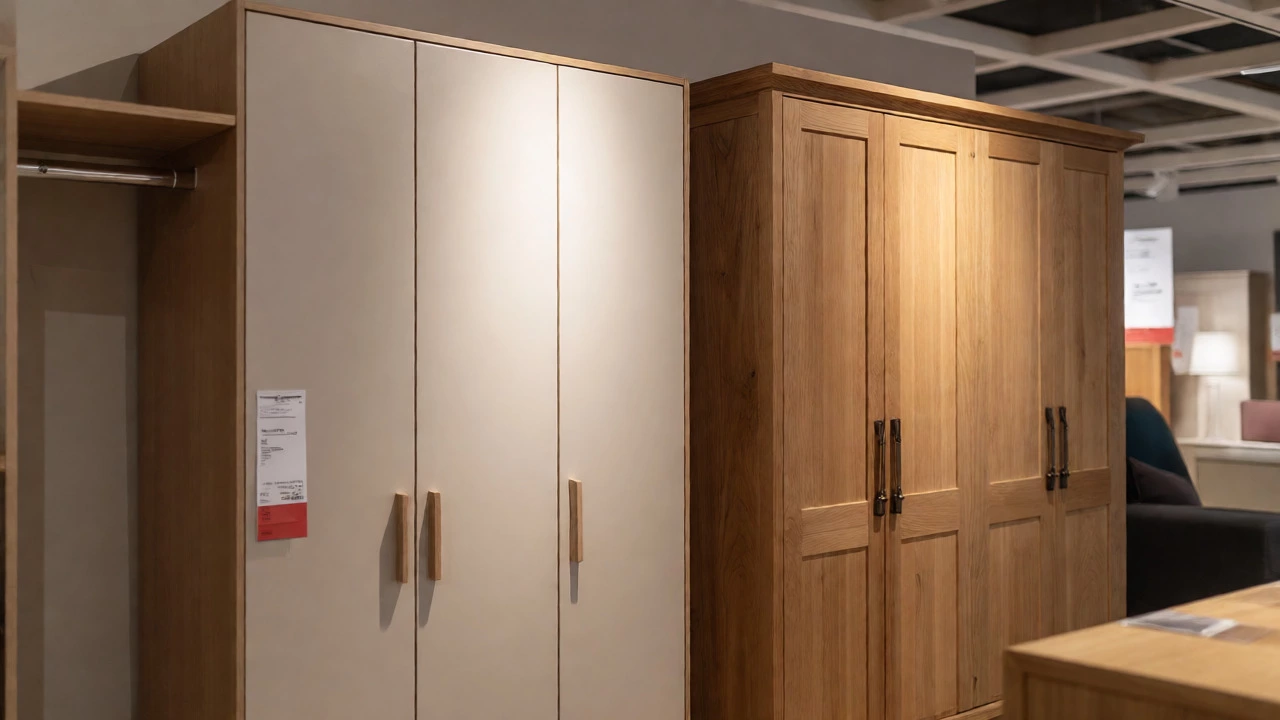
You walk into a high-street furniture store, spot a sleek three-door wardrobe, and check the tag. £800? For particleboard doors and a hanging rail? You leave confused, wondering if you’re missing something obvious. Or maybe you’ve just received a quote for a fitted bedroom set that rivals the price of a used car. The sticker shock is real, but it’s rarely random. Understanding why wardrobes command such high prices requires looking under the hood at materials, labour, and the hidden engineering that keeps your clothes from spilling onto the floor.
The Material Markup: Solid Wood vs. Engineered Boards
Let’s start with the biggest factor: what the thing is actually made of. If you’re buying a budget unit from a flat-pack retailer, you’re likely paying for MDF (Medium-Density Fibreboard) or particleboard coated in melamine foil. These materials are cheap to produce because they use wood waste and resin, pressed together under heat. They’re stable enough for light use, but they don’t hold screws well over time and swell instantly if water hits them.
Now compare that to a mid-range or luxury wardrobe. Here, manufacturers often use Solid Oak or high-grade plywood with veneer. Solid timber isn’t just about looks; it’s about structural integrity. A solid oak frame can support heavy winter coats without sagging, whereas an MDF shelf might bow after two winters. The cost difference isn’t just the tree-it’s the drying process. Kiln-drying timber takes weeks and consumes massive amounts of energy to prevent warping later. That energy bill gets passed straight to you.
| Material Type | Average Lifespan | Moisture Resistance | Relative Cost Index |
|---|---|---|---|
| Particleboard/Melamine | 5-7 years | Low (swells easily) | 1x (Baseline) |
| MDF (Medium-Density Fibreboard) | 7-10 years | Medium (coated only) | 1.5x |
| Plywood with Veneer | 15-20 years | High | 3x |
| Solid Hardwood (Oak/Ash) | 50+ years | High (if sealed) | 6-10x |
The Labour Trap: Why Fitted Units Cost More
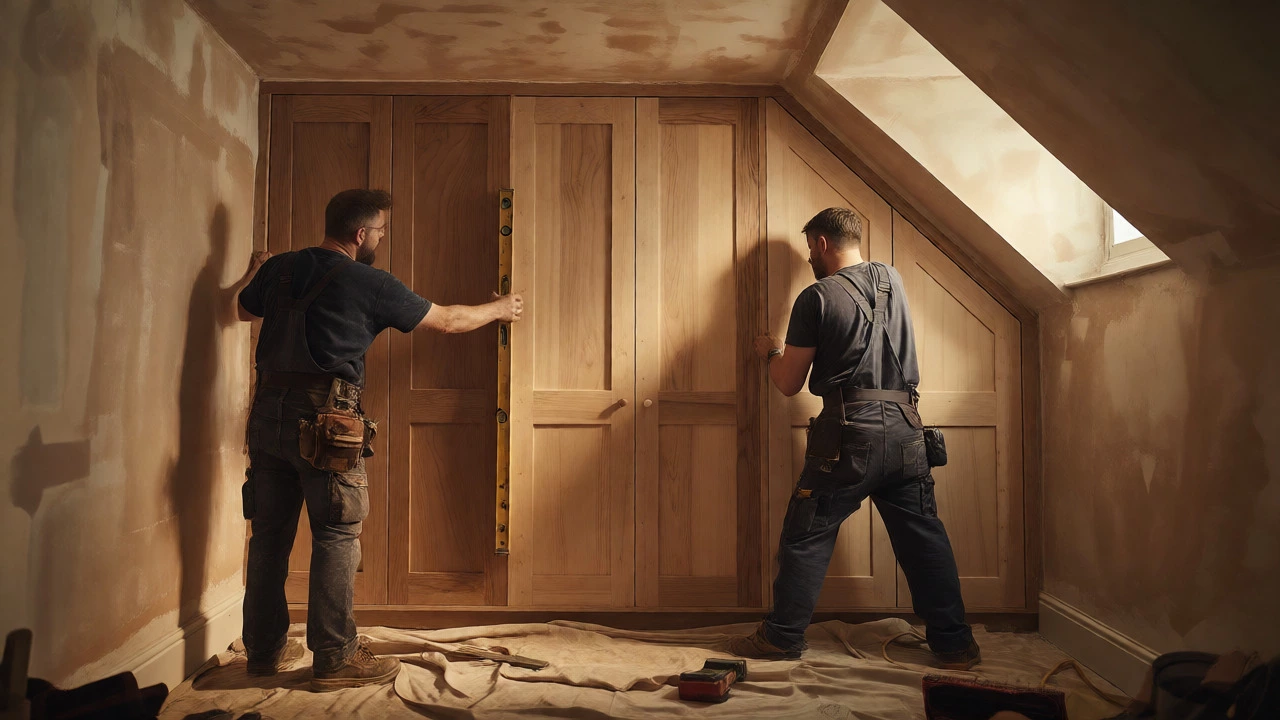
If you’re comparing a freestanding wardrobe to a fitted one, the price gap widens dramatically. This isn’t greed; it’s logistics. A freestanding unit is mass-produced in a factory, boxed up, and shipped to a warehouse. It’s efficient. A fitted wardrobe, however, is bespoke. It starts with a surveyor visiting your home to measure walls that aren’t perfectly straight, floors that aren’t perfectly level, and ceilings that dip unexpectedly.
Once measured, the design goes back to the workshop. Skilled joiners cut panels to millimetre precision. Then comes installation. Two fitters spend a full day assembling the carcass, levelling it against uneven plaster, and fitting doors so they align perfectly. In the UK, skilled tradespeople charge £25-£40 per hour. When you add travel time, tool wear, and the risk of damaging your existing decor during installation, labour can account for 40% of the final invoice. You aren’t just buying wood; you’re buying someone else’s Saturday.
Hardware and Hidden Mechanics
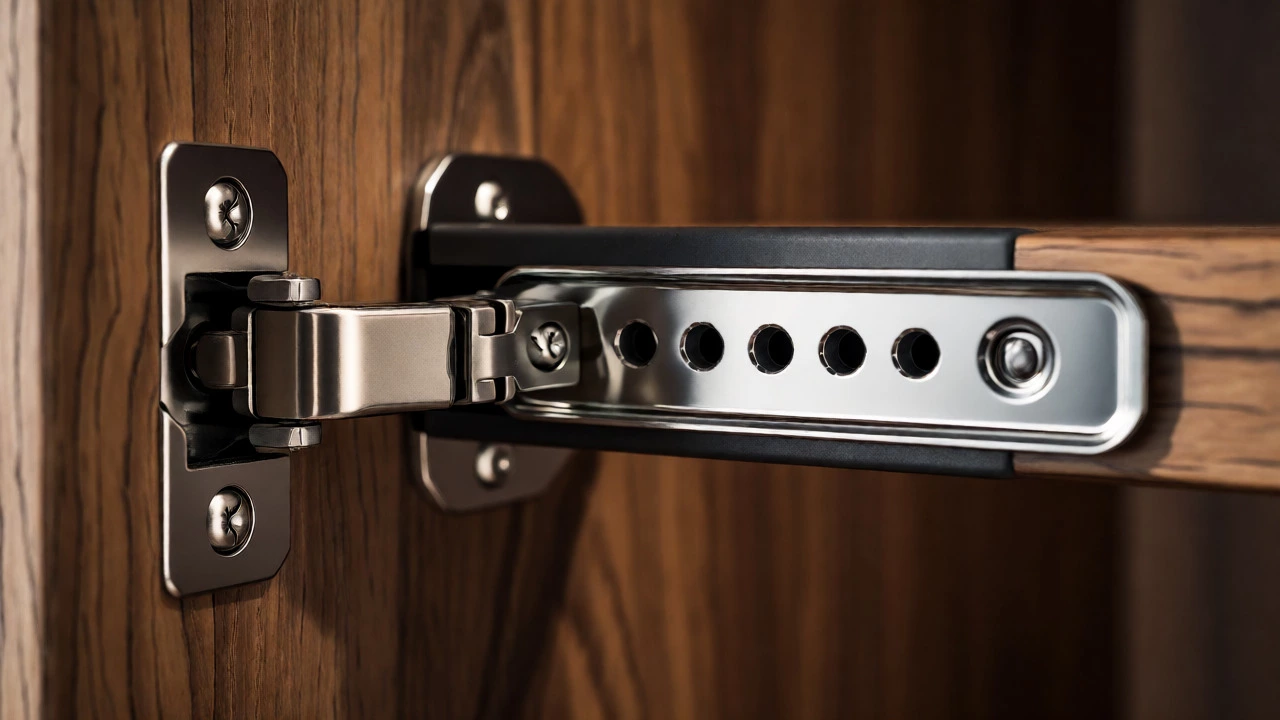
Open a cheap wardrobe door, and it might stick. Close it gently, and it slams. Now open a premium unit. The door glides silently, stops smoothly before hitting the frame, and feels substantial. That difference lies in the hardware. Budget units use basic plastic hinges and simple rails. Premium brands like Blum or Hettich supply hydraulic soft-close mechanisms and heavy-duty runners rated for thousands of cycles.
Consider the drawers. A standard drawer uses side-mount runners that wobble when fully extended. High-end systems use undermount slides with ball bearings, allowing the drawer to float smoothly even when loaded with jeans and jumpers. These components are imported, often from Germany or Austria, where manufacturing standards are rigorous. Replacing a broken hinge on a £200 wardrobe is annoying; replacing a specialized mechanism on a £2,000 unit is expensive. You pay upfront for reliability because fixing these parts later often requires disassembling the entire structure.
Design Complexity and Customisation
Standard sizes are cheap because factories love efficiency. Running the same cut list all day minimises waste and setup time. But your room isn’t standard. Maybe you have a sloping ceiling, a chimney breast, or an awkward alcove. Customisation kills economies of scale.
Every internal modification adds cost. Want integrated lighting? That’s wiring, transformers, and LED strips installed by a certified electrician or a specialist installer. Want a pull-out trouser rack or a jewellery tray? Each accessory requires precise routing in the wood and specific mounting brackets. Design software also costs money. Brands invest heavily in 3D visualisation tools so you can see the finished product before it’s built. That R&D cost trickles down to the consumer. If you want a wardrobe that fits around a radiator pipe, you’re paying for the engineer who figured out how to make that happen.
Brand Reputation and Warranty Insurance
Why does a designer brand charge double for similar-looking cabinets? Partly, it’s marketing. But largely, it’s insurance. Established brands offer warranties ranging from 5 to 25 years. They have to reserve funds to cover potential failures. If a hinge snaps in year four, they send someone out. Cheap retailers sell "as-is" or offer limited coverage that excludes wear and tear.
Think of the warranty as part of the product. With a budget wardrobe, if the bottom panel cracks under weight, you buy a new wardrobe. With a premium one, you call customer service. The peace of mind has value. Additionally, reputable brands source timber sustainably. Certifications like FSC (Forest Stewardship Council) ensure the wood was harvested responsibly. Sustainable forestry practices are more expensive than clear-cutting, and ethical sourcing commands a premium in the current market.
How to Save Without Sacrificing Quality
You don’t need to spend five figures to get a decent storage solution. Here’s how to hack the pricing model:
- Mix Materials: Use solid wood for the visible fronts (doors and drawer faces) and high-quality MDF for the internal carcass. You get the aesthetic durability where it matters most without paying for solid timber shelves you’ll never see.
- Stick to Standard Depths: Most wardrobes are 60cm deep. Going wider or shallower requires custom cutting. Keep the depth standard, and focus your budget on height or width adjustments, which are cheaper to manufacture.
- Buy Hardware Separately: Sometimes, local carpenters will build the box for less if you supply your own handles and hinges. Buy Blum hinges online and hand them to the joiner. You control the quality of the moving parts.
- Wait for Sales Cycles: Furniture retail is seasonal. January and August often see significant discounts as stores clear stock for new collections. Plan your purchase around these windows.
Frequently Asked Questions
Is it cheaper to build my own wardrobe?
It depends on your skill level. If you have access to professional woodworking tools and experience, building a carcass yourself can save 30-40%. However, once you factor in the cost of raw materials, delivery, and the time spent finishing, the savings diminish for complex designs. For simple rectangular units, DIY is viable. For fitted units with scribing to uneven walls, hiring a pro is usually more cost-effective.
Do sliding doors cost more than hinged doors?
Generally, yes. Sliding door mechanisms are more complex than simple butt hinges. They require tracks, rollers, and anti-jump clips. Poor quality sliding mechanisms fail frequently, leading to higher long-term maintenance costs. High-quality sliding systems are engineered for smooth operation but carry a higher initial price tag compared to standard hinged doors.
Why are fitted wardrobes better than freestanding ones?
Fitted wardrobes maximise vertical space by reaching the ceiling, eliminating dust traps on top. They utilise every inch of width, including awkward corners, providing up to 20% more storage volume than a standard freestanding unit. While the upfront cost is higher, the increased storage capacity per square foot often makes them more economical in homes with limited floor area.
Does the type of wood affect the price significantly?
Yes, drastically. Softwoods like pine are affordable but dent easily. Hardwoods like oak, ash, and walnut are denser, more durable, and visually distinct, commanding much higher prices. Exotic woods like teak or mahogany are even pricier due to import tariffs and scarcity. For most UK homes, engineered wood with a real wood veneer offers the best balance of cost and appearance.
Are expensive wardrobes worth the investment?
If you plan to stay in your home for more than five years, yes. A quality wardrobe lasts decades, whereas a budget unit may need replacing within ten. Additionally, high-quality fitted wardrobes can increase property value during a sale, as buyers perceive them as permanent, high-spec fixtures rather than temporary furniture.