Humidity Control: Protect Your Home, Furniture, and Health
When dealing with Humidity Control, the practice of keeping indoor moisture levels within a healthy range to avoid damage and health problems. Also known as moisture management, it plays a key role in preserving walls, floors, and personal belongings. High moisture can sneak in through weather, cooking, or even plants, turning a comfortable space into a breeding ground for issues. By understanding how humidity interacts with building materials, you can stop problems before they start and enjoy a more comfortable, longer‑lasting home.
Why Managing Humidity Matters
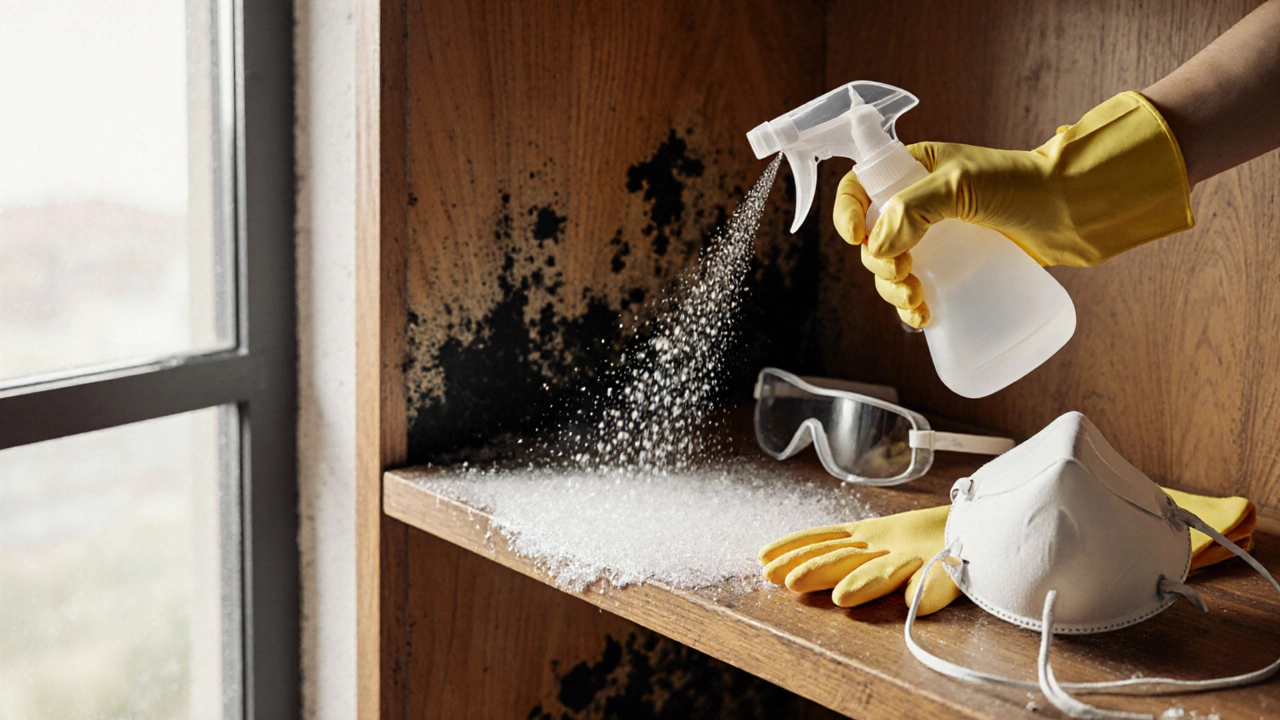
One of the biggest side effects of unchecked humidity is Mold, a fungus that thrives in damp environments and can damage surfaces and provoke allergies. Also called mildew, mold spreads quickly on walls, carpets, and upholstery when humidity stays above 60%. The presence of mold not only looks unsightly but also releases spores that can irritate lungs. Even a small leak or a poorly ventilated bathroom can raise humidity enough for mold to take hold. Knowing the link between humidity and mold helps you target the right solutions—like proper ventilation, quick leak repairs, and regular cleaning—to keep indoor air safe.
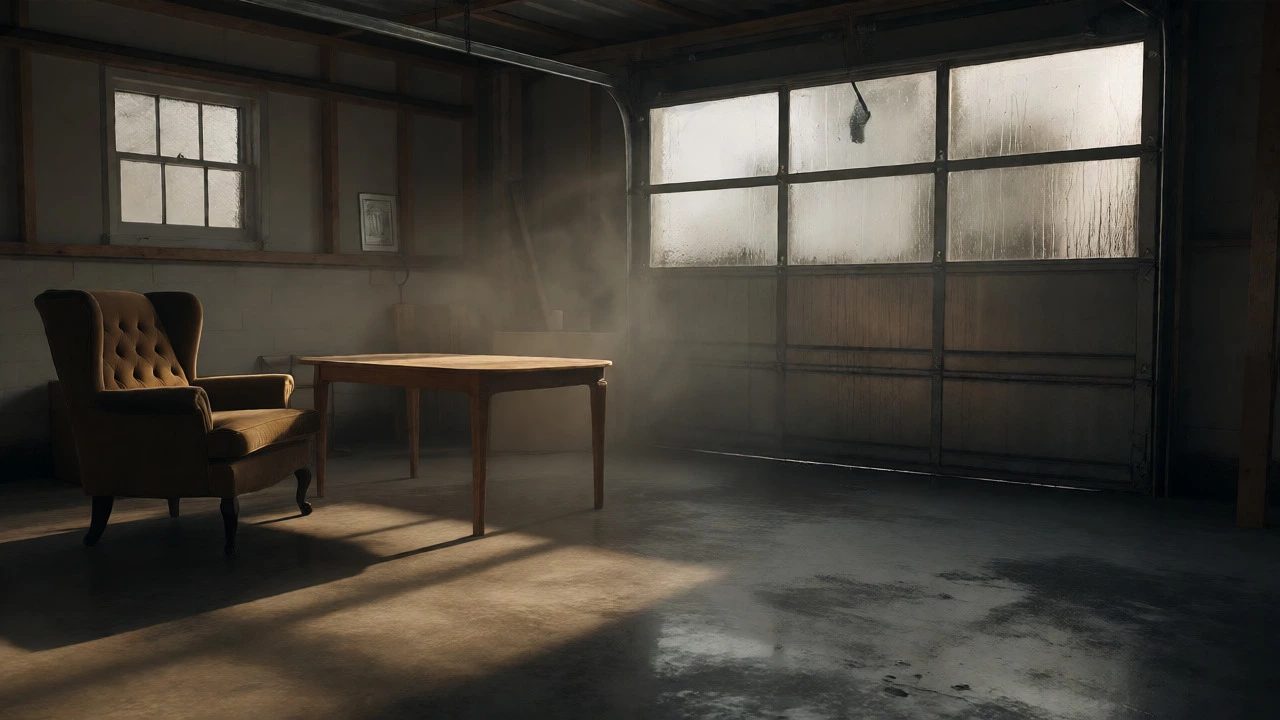
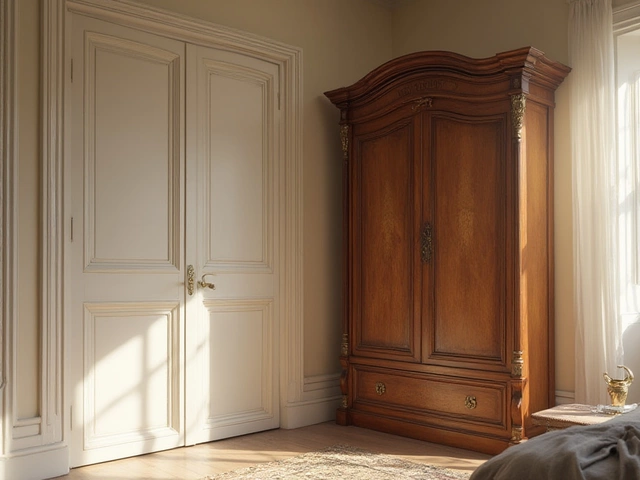
Wood furniture is especially sensitive to moisture swings. When wood absorbs too much water, it swells, warps, or even cracks over time. This Wood Furniture, any piece made primarily from solid wood, plywood, or engineered timber benefits from stable humidity because wood naturally expands and contracts with moisture changes. Storing a dining table in a damp garage without protection can lead to permanent warping, while a well‑kept sofa can last decades. The key is to keep indoor humidity between 40‑55% and avoid sudden spikes that stress the wood fibers. Simple actions—using a dehumidifier in basements, wiping up spills right away, and ensuring good airflow—can dramatically extend the life of treasured pieces.
When you need to move or store furniture, the choice of storage environment matters a lot. A typical Storage Unit, a rented space for keeping personal items, often lacking climate control can expose wood furniture to temperature swings and high humidity, leading to warping or mold growth. Opting for a climate‑controlled unit keeps temperature and humidity within safe bands, cutting the risk of damage. Even if you can’t afford a climate‑controlled space, you can protect items by wrapping them in breathable covers, using silica gel packets, and elevating pieces off the floor. Pair these steps with regular checks, and you’ll minimize surprises when you retrieve your belongings.
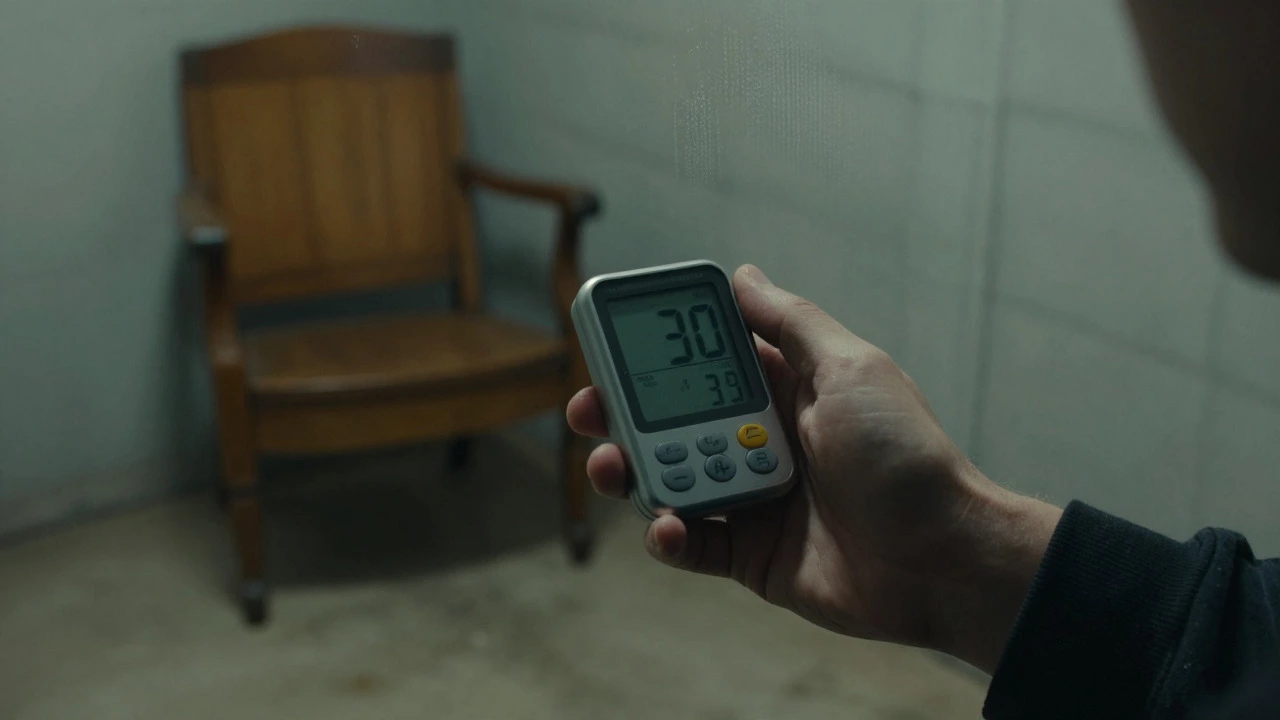
Putting these ideas together gives you a solid plan for effective humidity control. Start by measuring indoor moisture with a cheap hygrometer, then adjust with humidifiers or dehumidifiers as needed. Seal any leaks, keep bathrooms and kitchens vented, and give wood furniture a stable environment. If you store items, choose climate‑controlled options or add moisture‑absorbing materials. By staying proactive, you’ll stop mold before it spreads, keep your wood furniture looking fresh, and enjoy a healthier indoor climate. Below you’ll find a curated set of articles that dive deeper into each of these steps, from DIY mold removal to smart storage tricks.