Garage Furniture Storage Risk Checker
Not sure if your sofa or wardrobe will survive the winter in the garage? Select the item you plan to store and check its durability rating along with essential protection tips.
Protection Tips:
Select an item above to see if it can survive an unheated garage.
You just moved into a new place or you are finally decluttering that spare room. The obvious solution seems simple: shove the old sofa and dining table into the unheated garage. It’s dry enough, right? Wrong. If you live anywhere with distinct seasons, like here in Leeds, your unheated garage is a ticking time bomb for your belongings. Temperature swings and hidden moisture can turn a solid oak chair into a warped mess or a velvet armchair into a patchy, moldy disaster within six months.
Before you start hauling boxes across the driveway, you need to understand what actually happens to materials when they sit in cold, damp air. It isn’t just about freezing; it’s about expansion, contraction, and the invisible enemy of condensation. Let’s break down exactly which pieces survive, which ones die, and how to store them so they don’t look like they’ve been through a war zone.
The Real Danger Isn’t Cold, It’s Moisture
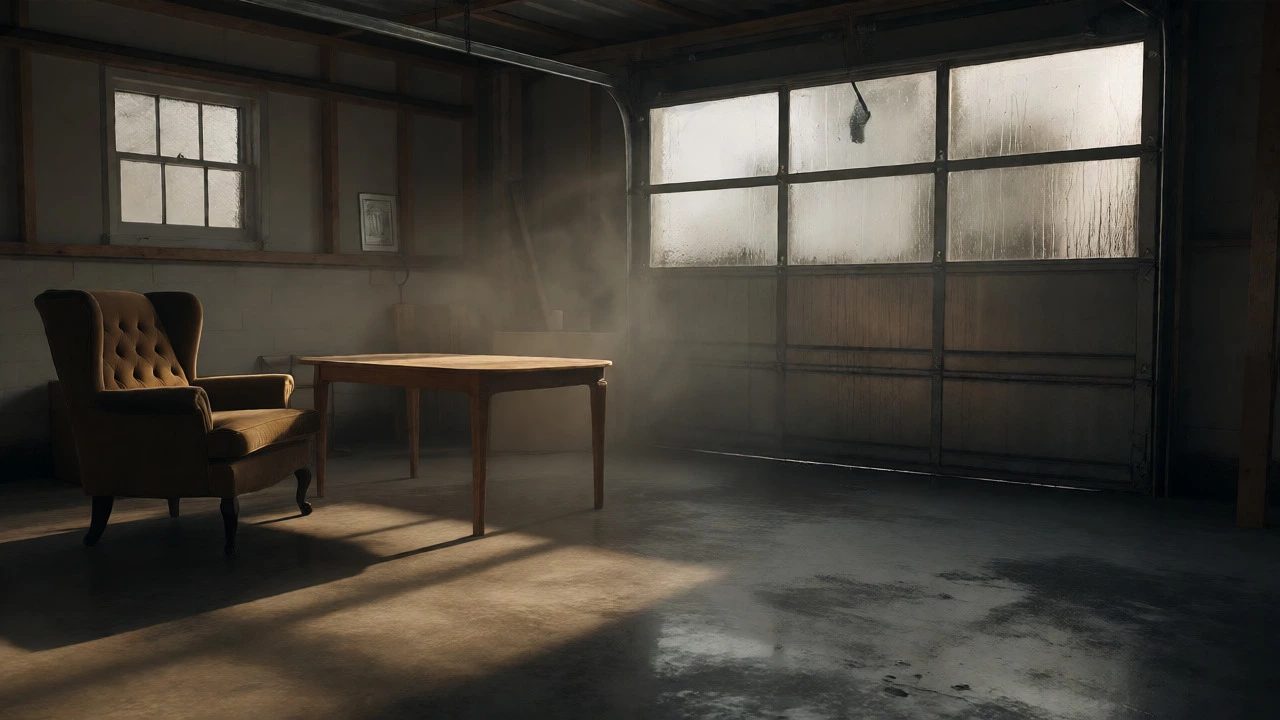
Most people worry about frost cracking their wooden legs. That rarely happens unless the water inside the wood freezes solid, which is uncommon in typical UK winters. The real killer is humidity fluctuation. When temperatures drop at night, the air holds less moisture. By morning, as the sun hits the concrete floor, the temperature rises, but the relative humidity spikes if ventilation is poor. This cycle causes condensation to form on every surface.
Concrete floors are notorious for wicking up ground moisture. If you put a cardboard box directly on the slab, it acts like a sponge. Within weeks, you’ll find damp patches on the bottom of your stored items. For porous materials like fabric and unfinished wood, this is fatal. Mold spores love this environment. They don’t need standing water; they just need consistent dampness and organic material to feed on.
Which Furniture Materials Survive?
Not all furniture reacts the same way. Some materials are incredibly resilient, while others are fragile. Here is how common materials hold up in an unheated space:
| Material | Risk Level | Common Damage | Verdict |
|---|---|---|---|
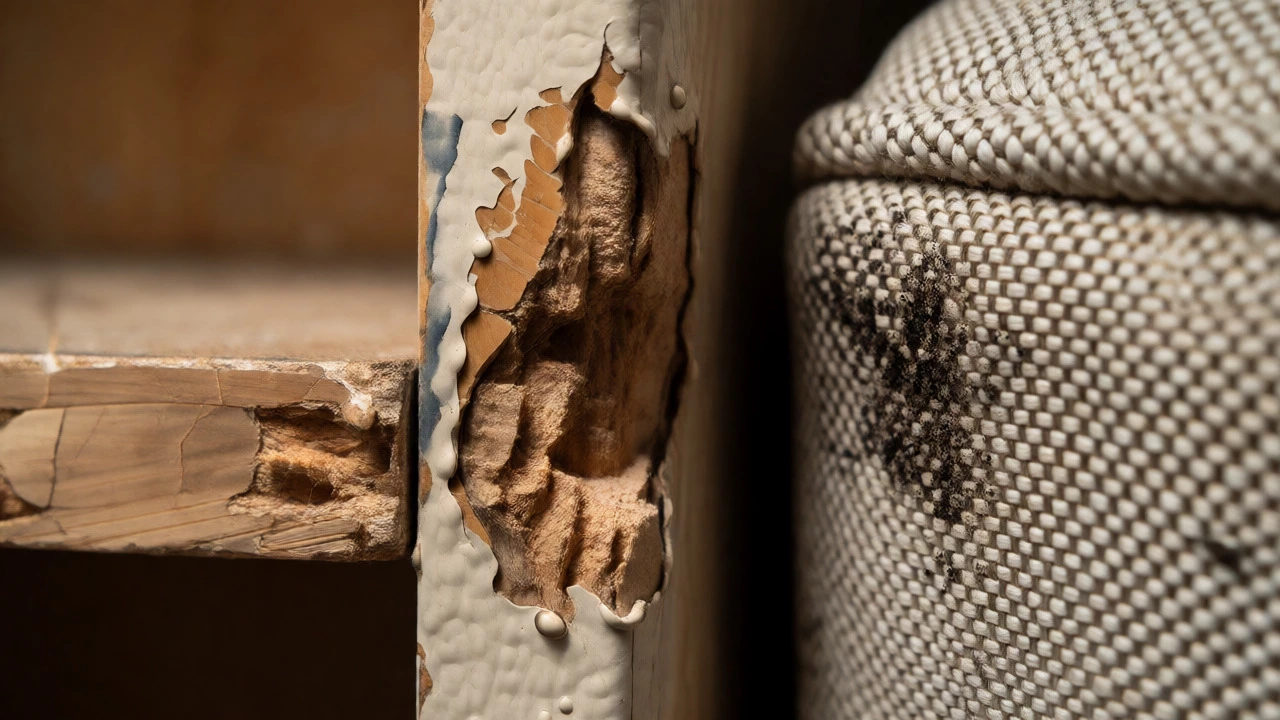
| Solid Wood | Medium | Warping, splitting joints, finish peeling | Store only if sealed and elevated |
| MDF & Particleboard | High | Swelling, crumbling edges, delamination | Avoid completely |
| Upholstered Fabric | High | Mold growth, musty smell, staining | Risky without heavy protection |
| Leather & Vinyl | Low-Medium | Drying out, cracking, stiffening | Good option if conditioned first |
| Metal (Steel/Iron) | Medium | Rust spots, corrosion on scratches | Safe if oiled and kept off floor |
| Plastic & Resin | Low | Brittleness in extreme cold | Excellent choice |
Notice that MDF (Medium-Density Fiberboard) is high risk. This is the cheap stuff used in many flat-pack wardrobes and bookshelves. It absorbs water faster than a sponge. Once MDF swells, it never goes back to its original shape. If you try to paint over swollen MDF later, the paint will bubble immediately. Save yourself the headache and keep MDF inside your heated home.
How to Prepare Your Garage Space
If you have no choice but to use the garage, you need to prepare it properly. Throwing items in randomly is a recipe for disaster. Follow these steps to create a safer microclimate.
- Clean thoroughly: Sweep away dust and debris. Dust attracts pests, and pests bring droppings that stain upholstery.
- Inspect for leaks: Check the roof and door seals. Even a tiny drip during autumn rain can ruin a stack of boxes.
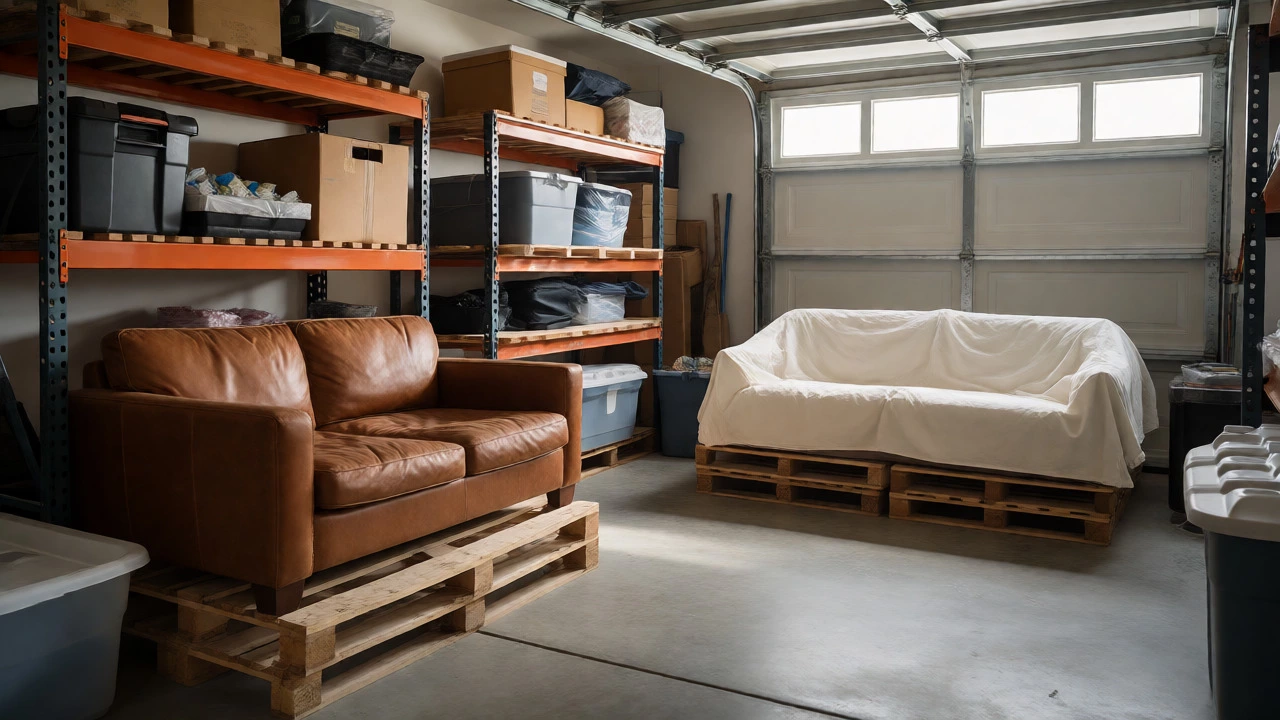
- Elevate everything: Never let furniture touch the concrete. Use wooden pallets, shelving units, or plastic risers. Air needs to circulate underneath.
- Control humidity: Place silica gel packets or moisture-absorbing tubs around the perimeter. In very damp garages, consider a small electric dehumidifier if you have a power outlet.
Ventilation is key. If your garage has windows, crack them open slightly on dry days to allow airflow. Stagnant air promotes mold. However, avoid leaving doors wide open in winter, as this invites cold drafts and wildlife.
Packing and Wrapping Strategies
How you wrap your items matters more than where you put them. Plastic sheeting is tempting because it looks waterproof, but it traps moisture against the surface. If you wrap a wooden chair in tight plastic and then store it in a cold garage, any existing moisture in the wood cannot escape. It condenses inside the plastic, leading to mildew.
Instead, use breathable materials. Old cotton bedsheets, moving blankets, or specialized furniture covers made from canvas are ideal. These allow the item to "breathe" while protecting it from dust and minor knocks. For upholstered sofas, remove cushions if possible and store them separately in sealed plastic bins. This prevents the frame from absorbing sweat and skin oils from the fabric over time.
For mirrors and glass tables, add extra padding. Glass can shatter if the temperature drops rapidly and there are stress points in the frame. Wrap corners with foam blocks before covering the whole piece.
Special Care for Electronics and Mattresses
People often forget that electronics and mattresses are technically furniture-related storage items. Both suffer significantly in unheated spaces.
Mattresses are sponges for moisture. If you store a mattress on the floor, it will absorb ground dampness. Always store mattresses vertically against a wall, not flat. This allows air to reach both sides. Cover them with a breathable mattress bag, not plastic. If you must use plastic, ensure it has vents. A moldy mattress is nearly impossible to clean thoroughly and should be replaced.
Electronics, such as TVs or gaming consoles, contain capacitors and batteries that degrade in cold temperatures. Lithium-ion batteries can lose capacity permanently if exposed to freezing conditions repeatedly. Condensation can also short-circuit internal components when you plug the device back in. If you must store electronics, remove batteries and place the devices in anti-static bags inside hard-shell cases. Let them acclimatize to room temperature for 24 hours before turning them on after retrieval.
When to Avoid the Garage Entirely
Sometimes, despite your best efforts, the garage is just too hostile. You should skip garage storage if:
- Your garage floods regularly or has a history of water ingress.
- You live in a coastal area with high salt air, which accelerates rust on metal frames.
- The furniture is antique or has sentimental value exceeding £500.
- You cannot guarantee pest control. Mice and rats love nesting in warm insulation and soft fabrics.
In these cases, renting a self-storage unit might seem expensive, but compare the cost to replacing a damaged designer sofa. Many modern storage facilities offer climate-controlled units specifically designed for household goods. They maintain stable temperatures and humidity levels, eliminating the risks associated with domestic garages.
Retrieving Your Furniture: The Acclimatization Rule
When you finally decide to bring your items back into your living space, do not rush. Moving a cold, damp chair directly into a warm, dry house can cause immediate shock. The sudden temperature change can make finishes crack or wood split.
Leave the items in the hallway or a cool room for 24 to 48 hours. Allow them to reach ambient temperature slowly. Wipe down any visible condensation with a dry cloth. Check for mold spots before placing them in bedrooms or living rooms. If you spot mold, clean it immediately with a mixture of vinegar and water or a specialized upholstery cleaner. Do not ignore small spots; they spread quickly in indoor environments.
Can I store leather furniture in an unheated garage?
Yes, but with caution. Leather dries out in low humidity and can crack. Condition the leather thoroughly before storing. Keep it away from direct sunlight and heat sources near the garage door. Wrap it in breathable cotton rather than plastic to prevent sweating and mold.
Does cold weather damage wood furniture?
Cold itself rarely damages finished wood. The danger comes from humidity changes causing the wood to expand and contract. This movement can loosen joints or cause veneer to peel. Solid hardwoods are more resistant than engineered woods like MDF or particleboard, which can swell and crumble if they get wet.
How do I stop mice getting into my stored furniture?
Seal all gaps in the garage door and walls. Place mothballs or peppermint oil-soaked cotton balls inside drawers and under cushions. Ensure no food sources are nearby. Consider using snap traps along the perimeter of the garage, but check them regularly. Avoid poison baits inside the garage if pets or children access the space.
Is it safe to store a TV in an unheated garage?
It is risky. LCD and LED screens can develop pressure marks or dead pixels if exposed to extreme cold for long periods. Batteries in remotes and internal components degrade. If you must store a TV, keep it in its original box with packing peanuts, placed off the floor, and let it warm up gradually before powering on.
What is the best way to protect upholstery from mold?
Clean and dry the upholstery completely before storage. Use a breathable cover, such as a canvas slipcover or old bedsheet. Avoid plastic wraps that trap moisture. Place silica gel packets around the item to absorb excess humidity. Check the items periodically for signs of dampness or odor.