Perfect Sofa Selector
Finding the perfect sofa isn't just about finding the biggest box that fits through your door. It's about solving a daily puzzle: How do we get comfortable seating that lasts longer than the current rental lease, withstands the dog, and doesn't look terrible after three years? The market is flooded with options, from budget-friendly flat-pack designs to handcrafted leather classics. There is no single "best" model for everyone, but there is definitely a best sofa type for your specific life.
If you're standing in a showroom in Leeds or scrolling through online catalogs at 10 PM, the sheer variety can paralyse you. The secret lies in understanding that a sofa is a functional machine, not just decor. You need to align the furniture with how you actually live. Whether you're lounging on a sofa bed, entertaining a crowd on a sectional, or protecting the fabric from muddy boots, the choice changes everything. Let's cut through the marketing jargon and look at what really matters when picking your next piece of furniture.
The Shape Game: Configuration Determines Function
The physical layout of the seat dictates how you interact with your living space. In smaller urban flats, every centimetre counts. In sprawling family homes, comfort dominates. Here is how the main shapes compare in real-world scenarios.
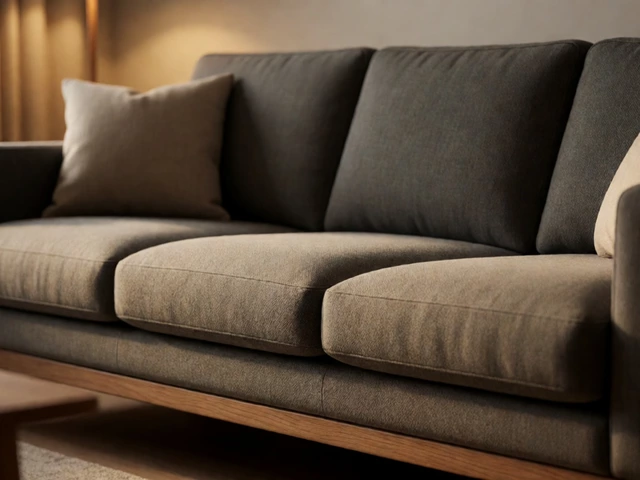
- The Traditional Two-and-a-Half Seater: This is the workhorse of the living room. It fits in most rooms without eating up floor space. If your room is tight, look for arms that are close together. This shape is versatile enough to fit into a formal room but sturdy enough for a TV lounge.
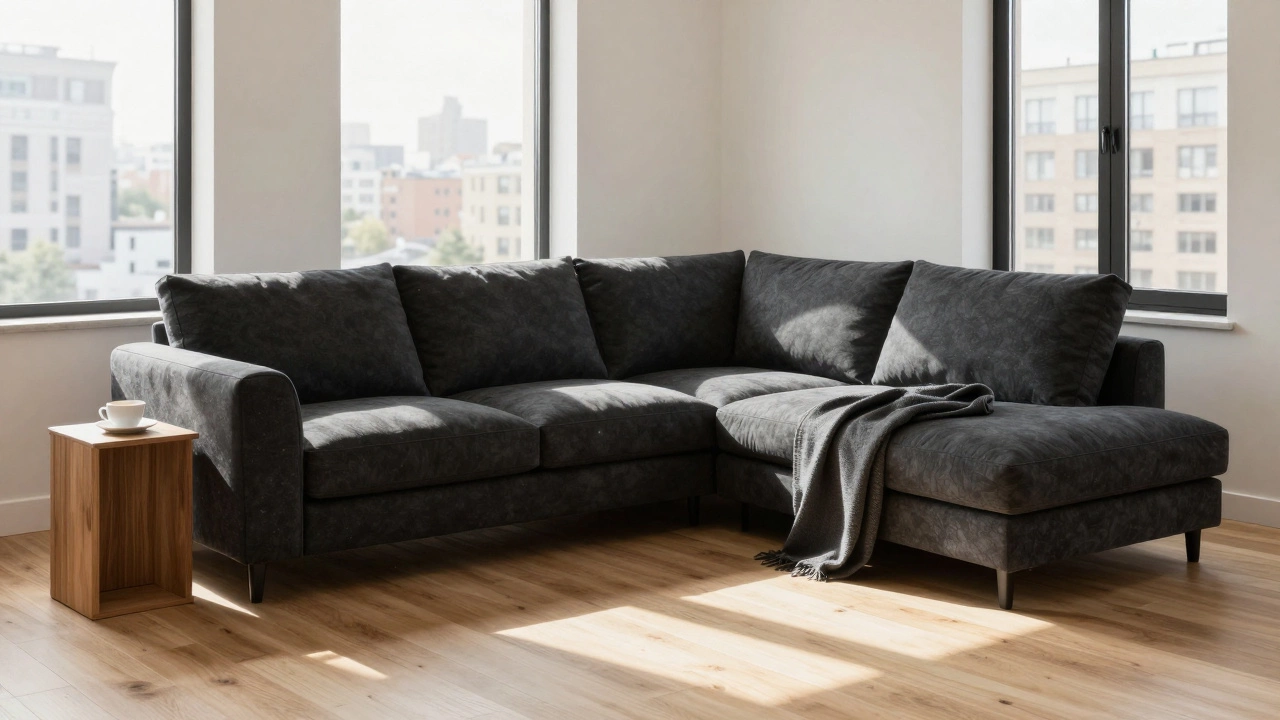
- L-Shaped Sectionals: These corner-huggers change the dynamic completely. They define an area and offer a chaise leg-rest option. However, they are permanent residents; moving them requires significant effort. Ensure your room corners are squared off properly, otherwise, you lose valuable wall space for storage units or bookshelves.
- Modular Sofas: Think of these as adult building blocks. You buy a base unit and add seats or chaises later. This is ideal if you plan to move house frequently. If you downsize, you sell the pieces separately rather than trying to cart away a massive bulk unit.
- Loveseats: Often used as secondary seating or for small apartments. Do not underestimate a good loveseat; it forces intimate conversation but sacrifices personal reclining space.
In 2026, modular furniture has become particularly popular due to shifting housing trends in the UK. People are downsizing but still want high-end comfort. A modular setup allows you to swap out damaged sections rather than replacing the entire sofa.
The Sleeping Dilemma: Sofa Beds vs. Daybeds
Guest visits require planning. Many homeowners struggle with the decision of whether to sacrifice comfort for utility. You don't necessarily need to sleep on a sofa mattress every night, but having the option changes the sofa from a simple chair to a hospitality tool.
- Pull-Out Sofa Beds: These feature a twin or double mattress hidden beneath the cushions. When folded out, they are surprisingly decent for guests, but remember that when the bed is stowed, the sitting cushions tend to be firmer because they sit directly over springs or metal bars.
- Click-Clack Mechanisms: Popular in Europe and increasingly found here. The backrest lowers all the way down to form a bed platform, which is then padded with extra bolsters. This saves space compared to pull-outs but may require lifting the top cushions manually.
- Daybeds: Designed to be slept on during the day or evening, usually placed in a sunroom or office. Unlike a sofa bed, you leave the bedding visible most of the time, making them look less like furniture and more like a dedicated bed.
Before committing to a sleeper, ask yourself if you will actually use the bed function. If you host guests rarely-say, twice a year-a standard sofa with a guest bed nearby is usually superior for daily comfort.
Material Matters: Leather, Fabric, and Synthetics
The surface you touch is the most critical factor for longevity. Most buyers obsess over colour but ignore the weave and coating. Your daily habits should dictate your material choice, not just the aesthetic of your curtains.
| Material | Durability | Maintenance | Best For |
|---|---|---|---|
| Top Grain Leather | High (15+ years) | Wipe clean | Clean hands, pets with clipping |
| Performance Fabric | Very High | Stain resistant | Families, spills, pets |
| Velvet | Medium | Vacuum regularly | Style-focused rooms, low wear |
| Linen/Cotton Blend | Low-Medium | Spot clean only | Formal rooms, no kids/pets |
Top Grain Leather: Genuine leather ages beautifully, developing a patina over time. However, cheaper bonded leather peels after a few years. Look for full or top-grain options. Avoid cold rooms in winter; leather becomes stiff if your heating isn't balanced.
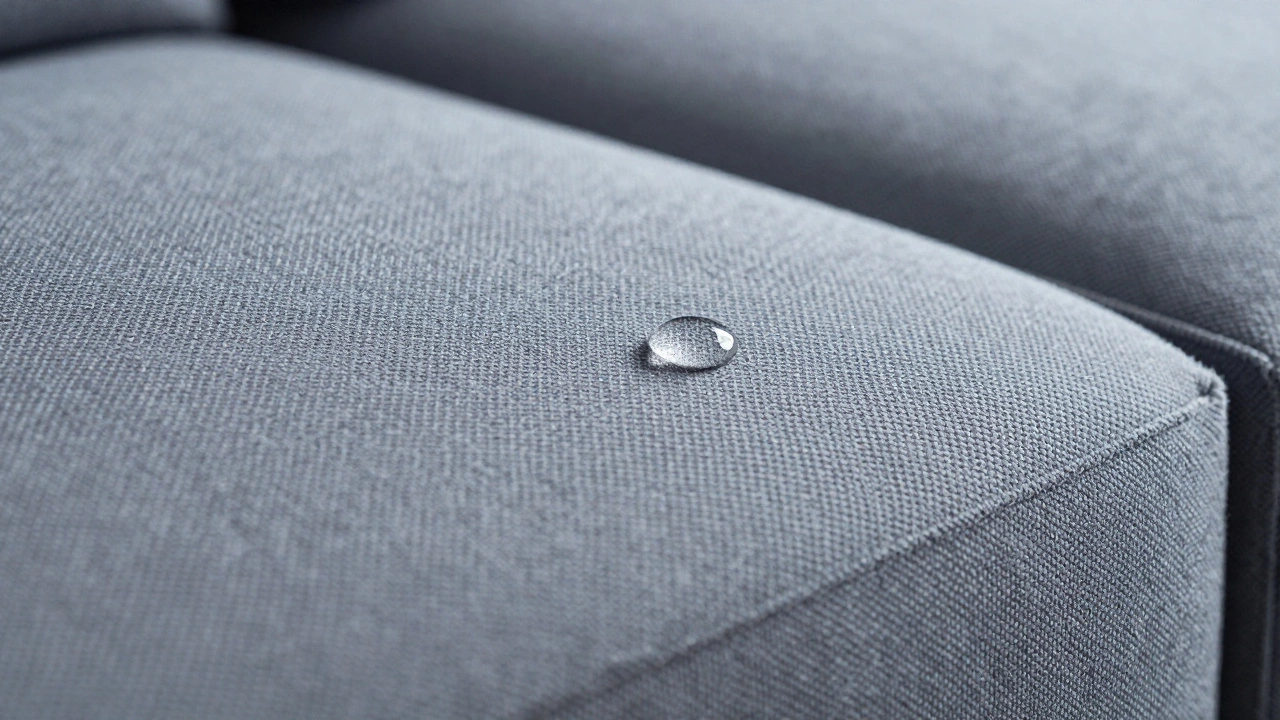
Performance Fabric: Technologies like Crypton or Sunbrella have changed the game. These fabrics are treated at the molecular level to repel stains. Water beads up on the surface, giving you time to wipe it up before it soaks in. This is non-negotiable for anyone who drinks red wine or has toddlers.
Velvet and Soft Touches: In 2026, velvet remains a staple for luxury interiors. Modern velvets are often synthetic blends that resist scratching better than traditional silk-based ones, but they still show vacuum marks easily. Place these in areas where foot traffic is low.
Internal Architecture: Frame, Suspension, and Fill
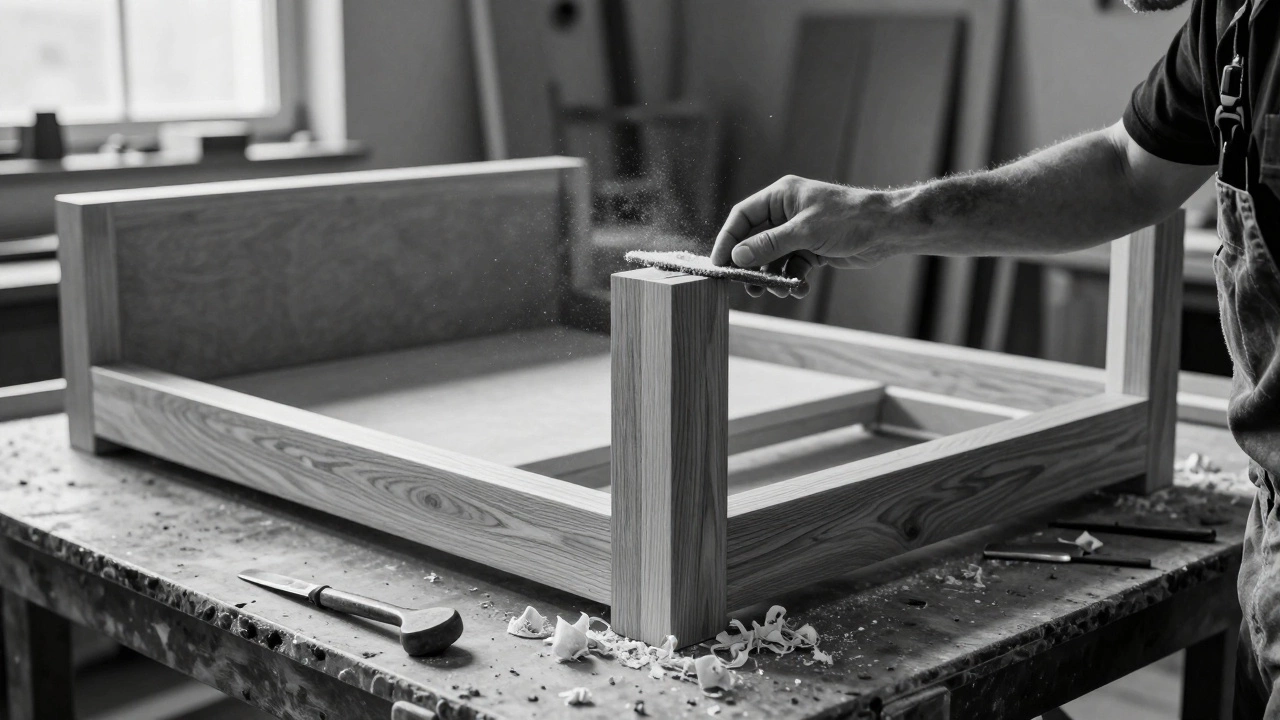
You won't see these parts once the sofa is upholstered, yet they determine the lifespan of your investment. Manufacturers cut costs here first. When you walk into a store, lift the cushions. Feel the support underneath.
- The Frame: Avoid particle board or cheap pine. Hardwoods like oak, ash, or rubberwood are standard for premium frames. The joinery is key-look for dowel joints or double-doweled corners. Screws alone tend to loosen over decades of weight shifts.
- Support System: Eight-way hand-tied springs are the gold standard. They hold tension well and prevent the hammock effect. Webbing is lighter and adequate for lighter models, but eventually sags. Sinuous springs are acceptable but can pop up if the sofa is sat upon unevenly for years.
- Cushion Filling: The filling defines the feel. Feather wraps over foam give a plush, sink-in feel but flatten quickly. High-resiliency foam holds its shape better. Look for a density rating; higher numbers mean firmer, longer-lasting support. Hybrid cushions (foam core wrapped in fibre) offer the best balance of comfort and durability.
Ask the retailer specifically about the foam density. If they hesitate or say "standard," assume it is soft, low-grade polyurethane that will bottom out in two years.
Dimensions and Room Fit
Measurements are the most common reason returns happen. You think it fits, but the delivery crew gets stuck in the hallway staircase. Always measure the route from the door to the room, not just the empty space in the room itself.
- Depth: Standard sofas are roughly 90cm deep. If you like to stretch your legs flat, opt for a "deep seating" model (105cm+). However, if you have small children using the sofa as a play area, a deeper seat makes reaching the floor difficult for them.
- Legs: Short legs hide the size of the footprint, making the sofa look massive. Tall legs visually float the unit and allow robotic cleaners to pass underneath, which helps keep carpet dust-free in a high-traffic zone.
- Doorway Clearance: Standard interior doors are roughly 80cm wide. Some sofa backs exceed this dimension. Measure diagonally; a bulky rectangular box might tilt and slide through a narrow opening that it wouldn't fit straight on.
Integrating Into a Sofa Set
While we focus on the sofa, many people are completing a sofa set that includes matching armchairs or ottomans. Consistency in leg finish and fabric texture creates cohesion.
Don't force a match if the styles clash. A modern leather sofa pairs well with a wooden vintage armchair, adding visual interest. If buying a matched set, ensure the price difference between the single chairs and the bulk set makes financial sense. Sometimes buying separate pieces allows for better maintenance flexibility-if one gets stained, you replace that one instead of the whole suite.
Frequently Asked Questions
What is the most durable fabric for a sofa?
Performance fabrics like Crypton or Sunbrella are currently the most durable. They are treated to resist stains and abrasion. Tight weaves like canvas or microfiber also rank highly for longevity in households with active lifestyles.
How long does a good quality sofa last?
With a solid hardwood frame and eight-way spring suspension, a sofa should last 10 to 15 years. Cheaper models with webbing support often degrade significantly after five years.
Is a sofa bed comfortable for everyday sleeping?
Generally, no. Most sofa beds use a thin mattress compressed for storage. While newer models use pocket springs, a dedicated spare bedroom or high-quality guest bed is always superior for regular sleeping hygiene.
Should I buy matching sofa sets or mix pieces?
Mixing pieces is generally preferred by designers today. It adds character and allows you to update the room easier. Matched sets are practical for rental properties but can look dated quickly if the style isn't classic.
Can a sectional sofa fit in a small flat?
It depends on the chaise placement. Many sectionals now come with reversible chaises, allowing you to configure the L-shape either left or right. This offers more versatility in compact living rooms than fixed configurations.