Furniture Protection Tips: Keep Your Pieces Safe and Sound
If you love your sofa, dining table or a cherished antique, you want them to stay looking good for years. The good news is that protecting furniture isn’t rocket science – a few everyday habits can stop damage before it starts. Below you’ll find clear, hands‑on advice for dealing with moisture, temperature, pests and everyday wear.
Guard Against Moisture and Warping
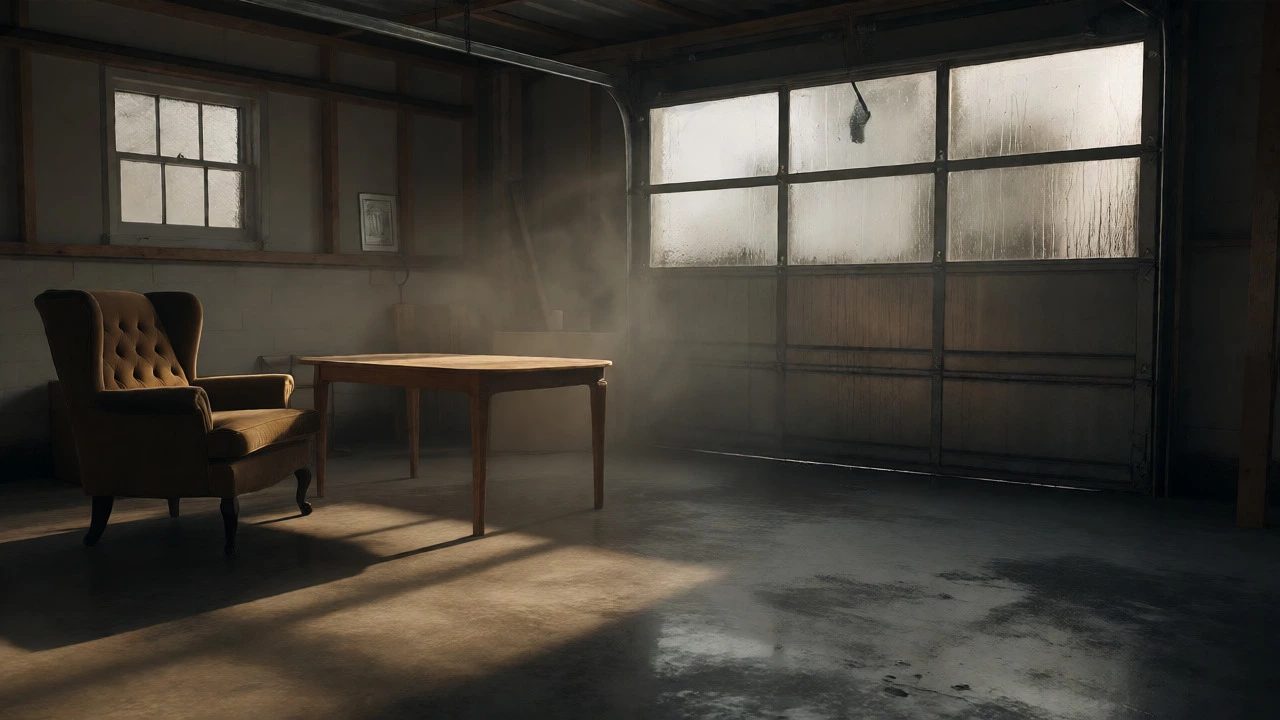
Wood is especially vulnerable to changes in temperature and humidity. Storing a wooden chest in an unheated garage can cause the wood to dry out, shrink and crack. The same thing happens in a storage unit that swings between hot summer days and cold winter nights. The safest bet is a climate‑controlled space where humidity stays between 40‑55 %.
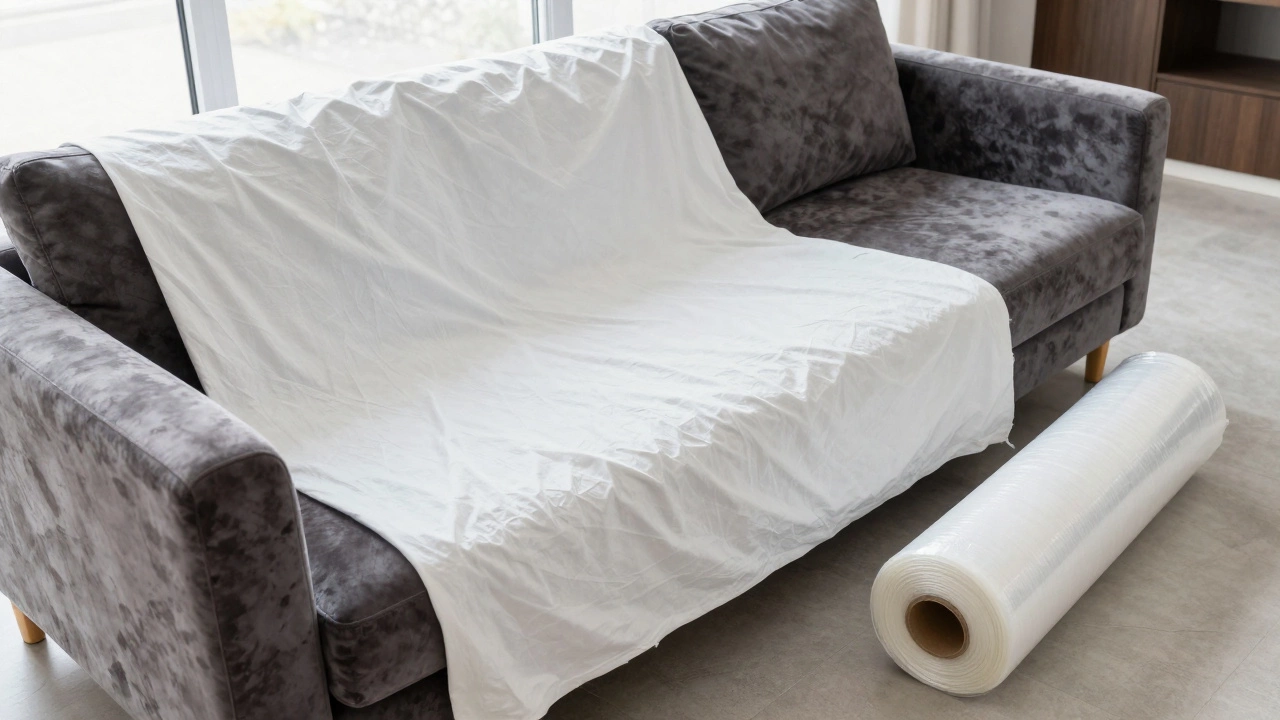
If a climate‑controlled unit isn’t an option, use a dehumidifier or silica gel packets inside the furniture bag. Wrap each piece in breathable cloth – not plastic – so air can move but moisture won’t settle. Avoid placing furniture directly on a cold concrete floor; a simple pallet or rug adds a buffer and keeps the legs from absorbing dampness.
When you bring a piece inside, let it acclimate for a day or two before using it. This lets the wood adjust slowly, reducing the risk of warping. For upholstered items, keep the room’s humidity in check with a humidifier in dry winter months or a vent fan in humid summer weeks.
Fight Mold, Mildew and Pests
Mold loves damp, dark corners. If a couch sits in a basement or a garage for months, you’ll often see a faint smell and white spots on the cushions. The fix is simple: clean the surface with a mixture of equal parts water and white vinegar, then let it dry fully. For stubborn mold, a spray of diluted hydrogen peroxide works well and won’t ruin fabrics.
Rodents are another hidden threat. Mice can chew through wood, upholstery and even wiring. Store items in sealed containers and keep the area clean of food crumbs. Certain scents – like peppermint oil or lavender – can deter mice, but the most reliable method is sealing gaps around doors and windows.
Regular maintenance goes a long way. Vacuum fabric sofas weekly, and give wood a dust‑free wipe with a soft cloth. For antique pieces, a thin coat of furniture wax adds a protective layer without making the surface shiny.
Finally, inspect your furniture before and after each move. Look for signs of moisture, cracks or pest activity. Catching a problem early means you can treat it before it spreads to other items.
By keeping an eye on temperature, humidity and cleanliness, you’ll protect your favorite pieces from the most common culprits. A little effort now saves you from costly repairs or replacements later, and lets you enjoy your furniture exactly how you intended – looking great and lasting long.