Corner Sofa Durability Calculator
You drop a significant amount of cash on a new corner sofa, expecting it to be the anchor of your living room for years. Instead, after just three or four years, the cushions look deflated, the arms sag, and the fabric feels thin. It’s frustrating, expensive, and completely avoidable if you know what to look for.
The question isn’t just about brand loyalty; it’s about engineering and material science. Some sofas are built like tanks, while others are essentially disposable furniture designed to fall apart once the warranty expires. If you want a piece that survives kids, pets, and daily lounging without losing its shape, you need to ignore the showroom aesthetics and look at the bones underneath.
The Skeleton: Frame Construction Matters Most
Before you even think about fabric color or cushion softness, you have to understand the frame. This is the single biggest factor in how long a sofa lasts. A beautiful cover means nothing if the structure beneath it rots or warps.
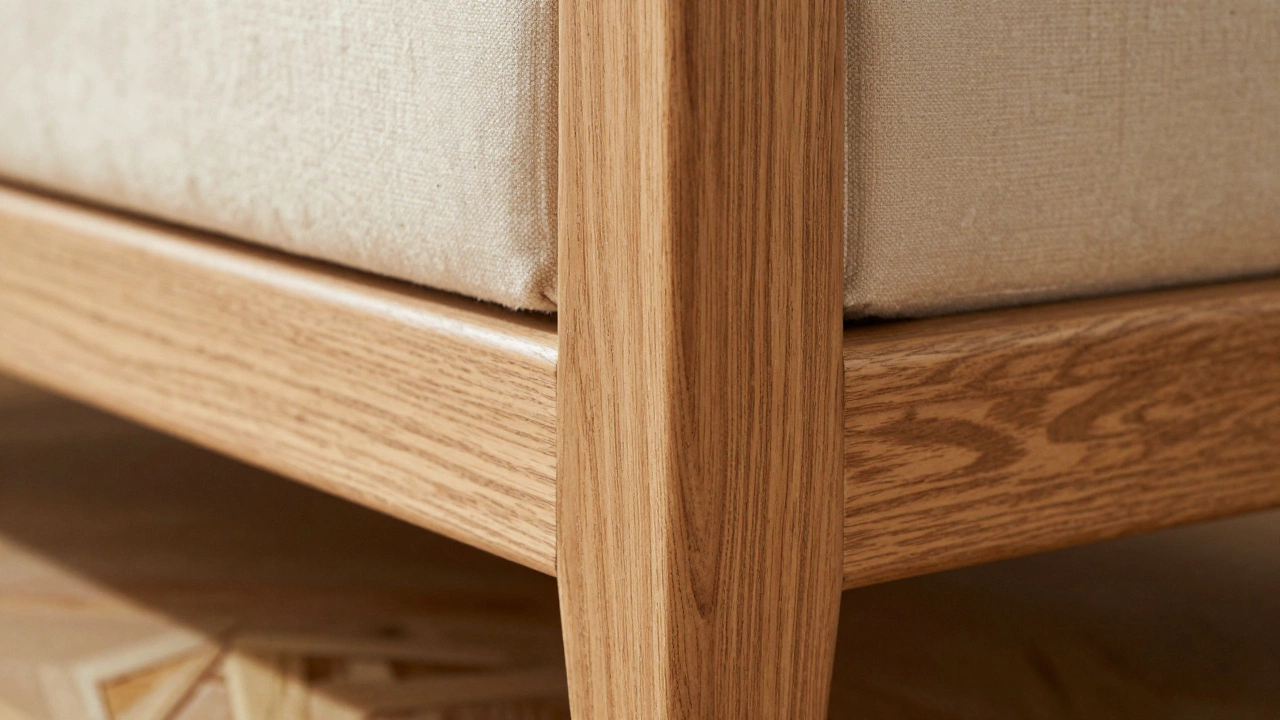
Look for solid hardwood frames. Species like oak, ash, or birch are the gold standard. These woods are dense, resistant to splitting, and can handle the weight of multiple people over decades. Avoid particle board, MDF (medium-density fiberboard), or softwoods like pine for the main structural beams. Particle board swells when exposed to humidity and cracks under stress. You’ve likely seen this in cheap flat-pack furniture that wobbles after a year.
How the pieces connect is just as important as the wood itself. Look for kiln-dried lumber. Kiln drying removes moisture from the wood before assembly, preventing it from shrinking or warping later. When you lift the sofa (or ask the salesperson to show you the underside), check the joints. Dovetail joints or double-doweled corners with corner blocks screwed into place are signs of quality. Staples alone are not enough. A well-built corner sofa will feel heavy and solid, not light and hollow.
Cushioning: Density Over Softness
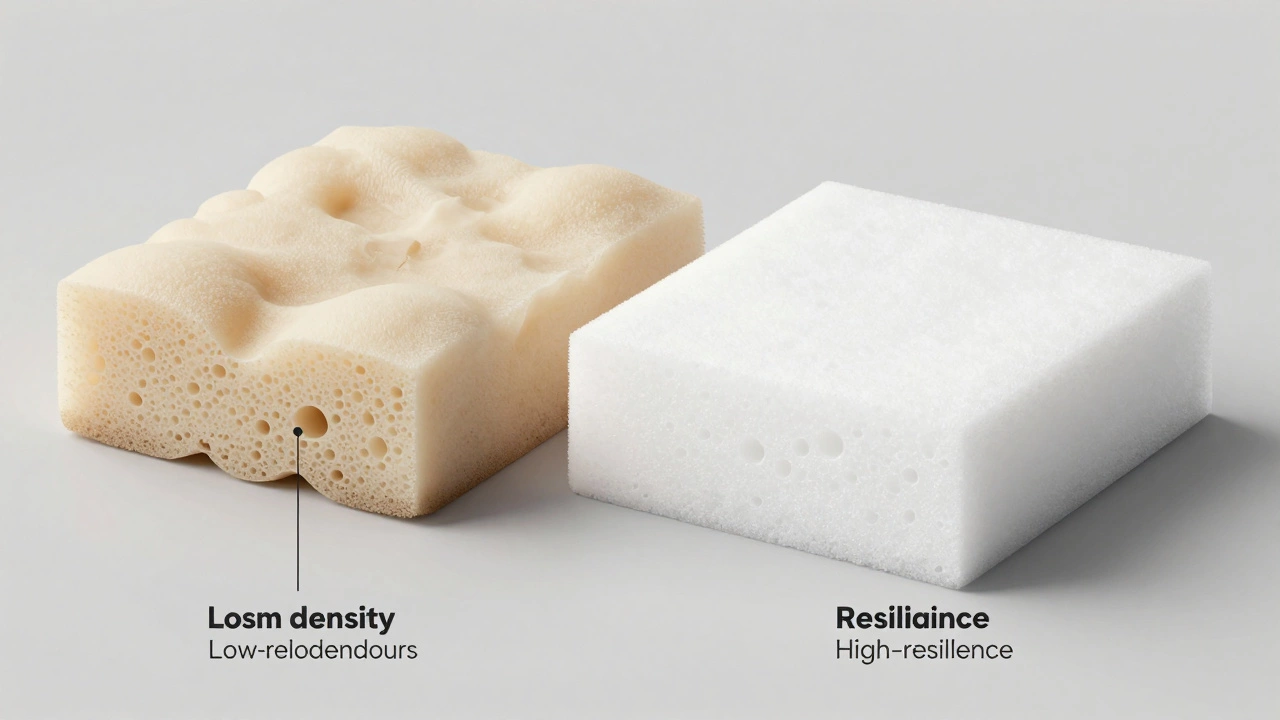
We all love sinking into a cloud-like seat when we first sit down. But that initial plushness often comes from low-density foam that collapses quickly. To find which sofas last longest, you need to prioritize density over initial softness.
High-resilience polyurethane foam is the industry benchmark for longevity. Look for a density rating of at least 1.8 pounds per cubic foot (PCF) for seat cushions. For back cushions, 1.5 PCF is acceptable. If the retailer doesn’t list the density, ask. If they hesitate or say "it’s proprietary," move on. Cheap foam starts at around 0.6 to 0.9 PCF. It might feel luxurious for six months, but by year two, it will turn into lumpy bricks.
Another option gaining popularity is high-gauge spring systems wrapped in foam. These provide better support distribution and resist sagging longer than solid foam blocks. In a corner sofa configuration, where one section often bears more weight due to sleeping or lounging habits, reinforced suspension in the chaise lounge area is critical. Check if the chaise has additional webbing or springs compared to the standard seating sections.
Fabric Choices: Durability Meets Lifestyle
The upholstery protects the foam and defines the look. But not all fabrics are created equal. The key metric here is abrasion resistance, measured in Martindale cycles or Double Rubs.
- Polyester blends: Often the most durable synthetic option. They resist stains, fading, and pilling. Modern microfiber technologies mimic the feel of suede but offer superior tear resistance.
- Leather: Full-grain or top-grain leather ages beautifully and can last 20+ years. However, it requires maintenance. Bonded leather, which is shredded leather glued onto a backing, peels and cracks within a few years. Always verify the grade.
- Natural fibers (Cotton/Linen): Beautiful and breathable, but they wear out faster. Cotton tends to pill and fade in sunlight. Linen wrinkles easily and can snag. If you choose these, look for tight weaves and treated finishes for stain resistance.
- Performance fabrics: Brands like Sunbrella or Crypton weave protection directly into the fibers. These are excellent for homes with pets or young children because they repel liquids and resist odors.
For a corner sofa, consider the traffic patterns. The outer edges and armrests take the most friction. A tightly woven fabric with a high thread count will withstand this rubbing far better than a loose, nubby texture.
Corner Sofa Specifics: Weak Points to Watch
Corner sofas, also known as L-shaped sofas, introduce unique structural challenges. The joint where the main sofa meets the chaise or return section is a potential failure point. This connection must be robust.
| Type | Durability Factor | Common Failure Point |
|---|---|---|
| Modular (Separate Pieces) | Medium | Connection clips can loosen; gaps form between sections. |
| Built-in Chaise (One Piece) | High | Sagging in the extended leg rest area if unsupported. |
| Reversible Chaise | High | Mechanism for flipping sides can wear out if used frequently. |
If you buy a modular corner sofa, ensure the locking mechanisms are metal, not plastic. Plastic clips snap under pressure. A one-piece built-in chaise is generally more durable because the frame is continuous, reducing stress points. However, make sure the chaise section has adequate internal support. Many manufacturers skimp here, leading to a hammock effect where your legs sink too deeply into the cushion.
Signs of Quality in the Showroom
You don’t need an engineering degree to spot a durable sofa. Use your hands. Sit down, then stand up quickly. Does the sofa bounce back immediately, or does it stay indented? That’s a test of the foam resilience. Push on the arms. Do they feel rigid, or do they flex slightly? Some flex is okay, but excessive movement suggests weak joinery.
Check the legs. Are they attached securely to the frame, or just screwed into the bottom rail? Legs bolted to the main frame distribute weight better. Also, inspect the stitching. Tight, even stitching with no loose threads indicates careful craftsmanship. Loose seams unravel quickly, especially in high-use areas like the seat edges.
Maintenance Extends Lifespan
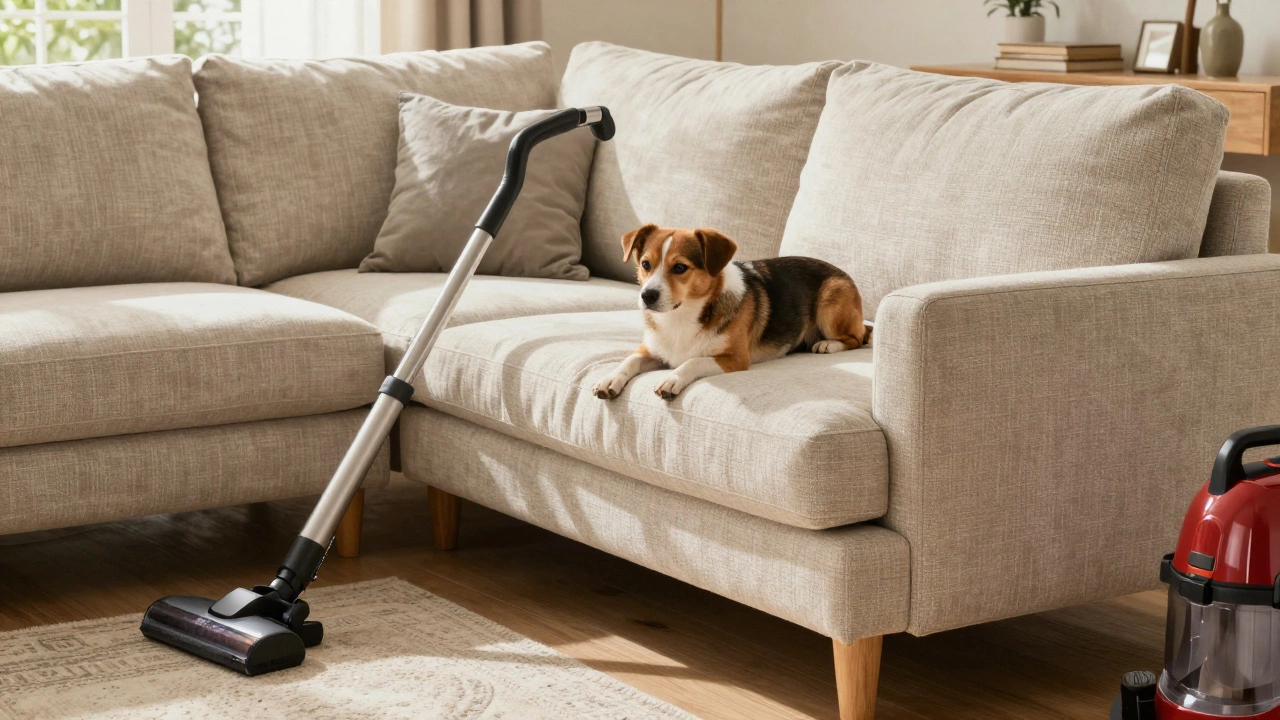
Even the best-built sofa needs care. Vacuuming regularly prevents dust and grit from grinding into the fabric fibers, which causes premature wear. Rotate cushions every few weeks to ensure even compression. For leather, apply conditioner annually to prevent cracking. For fabric, treat spills immediately with appropriate cleaners. Ignoring small stains leads to permanent setting and odor retention, which degrades the material over time.
Keep your sofa away from direct sunlight. UV rays break down dyes and weaken fibers, causing fading and brittleness. Use curtains or blinds during peak sun hours. If you have pets, train them early or use protective throws. Claws can shred even the toughest performance fabrics if left unchecked.
Price vs. Longevity: Is Expensive Worth It?
Generally, yes. A sofa priced under £500 is rarely built to last more than five years with heavy use. Mid-range options (£800-£1,500) often strike a balance, using decent hardwood frames and medium-density foam. High-end pieces (£2,000+) typically feature premium materials, hand-finished details, and warranties of 10 years or more.
Consider the cost per year. A £1,200 sofa that lasts 15 years costs £80 per year. A £400 sofa that lasts 3 years costs £133 per year. The cheaper option ends up costing more in the long run, plus the hassle of replacing it. Invest in quality upfront to save money and frustration later.
What is the average lifespan of a good quality corner sofa?
A well-constructed corner sofa with a hardwood frame and high-density foam should last between 7 to 15 years. With proper maintenance and moderate use, some high-end models can last 20 years or more. Cheaper models with particle board frames and low-density foam may only last 3 to 5 years.
Is leather or fabric more durable for a sofa?
It depends on the type. Full-grain leather is extremely durable and ages well, developing a patina over time. However, it can scratch. High-quality performance fabrics like microfiber or tightly woven polyester blends are often more resistant to tearing, staining, and pet damage. Bonded leather is less durable than both genuine leather and good fabric.
How can I tell if a sofa frame is solid wood?
Lift the front edge of the sofa slightly. Solid wood frames feel heavy and substantial. Particle board or MDF feels lighter and may have a smooth, uniform texture without natural grain variations. Ask the retailer for specifications on the frame material. Reputable brands will disclose whether they use hardwood, softwood, or engineered wood.
What does foam density mean and why does it matter?
Foam density refers to the weight of the foam per cubic foot. Higher density means more material packed into the same space, resulting in greater durability and support. Low-density foam compresses quickly and loses its shape. Look for seat cushions with a density of at least 1.8 PCF for long-lasting comfort.
Are modular corner sofas less durable than one-piece models?
Modular sofas can be just as durable if the connection system is robust. Look for metal locking mechanisms rather than plastic clips. One-piece built-in chaises often have fewer weak points since the frame is continuous. However, modular sofas offer flexibility in rearranging the layout, which can be beneficial for changing spaces.