Furniture Wrapping Guide & Recommender
Select your furniture type and your storage goal to find the ideal wrapping strategy.
Recommended Strategy
Quick Summary: What to Use
- For Upholstery: Use breathable mattress bags or cotton sheets followed by plastic wrap.
- For Hard Wood: Use acid-free packing paper and thick moving blankets.
- For High-Value Antiques: Use bubble wrap (bubble side out) and heavy-duty cardboard.
- For Quick Transit: Industrial stretch wrap is the gold standard for speed.
The Heavy Hitters: Choosing Your Wrapping Material
Not all wraps are created equal. If you use the wrong one, you might actually cause the damage you're trying to prevent. For instance, wrapping a leather sofa in tight plastic for a year in a damp garage can lead to trapped moisture and mold growth.
Stretch Wrap is a highly elastic plastic film used to bundle items together and protect them from dust and light moisture. It's the clear, clingy stuff you see professional movers using. It's fantastic for keeping drawers shut and protecting fabric from dirt, but it doesn't provide any cushioning against impacts. Think of it as a skin, not a shield.
Moving Blankets, also known as furniture pads, are thick, quilted fabric covers designed to absorb shock and prevent surface scratches during transport. These are non-negotiable for wooden tables and bed frames. They act as a buffer, absorbing the energy of a bump so the wood doesn't take the hit.
Bubble Wrap is a plastic sheet containing air-filled bubbles that provide a cushion of air between the object and the external environment. It's perfect for fragile legs or ornate carvings. A pro tip: always face the bubbles inward toward the furniture. This prevents the bubbles from popping as easily and creates a more secure grip on the item.
| Material | Primary Use | Protection Level | Breathability |
|---|---|---|---|
| Stretch Wrap | Dust/Dirt/Stability | Low (No impact protection) | None |
| Moving Blankets | Scratch/Impact | High (Cushions blows) | High |
| Bubble Wrap | Fragile/Glass | Very High | None |
| Packing Paper | Surface Polishing/Void Fill | Medium (Prevents rubs) | Medium |
How to Wrap Upholstered Furniture
Fabric sofas and armchairs are magnets for dust and stains. If you're putting a fabric couch into storage, you can't just throw a sheet over it. The fabric needs to breathe, but it also needs to be sealed off from the environment.
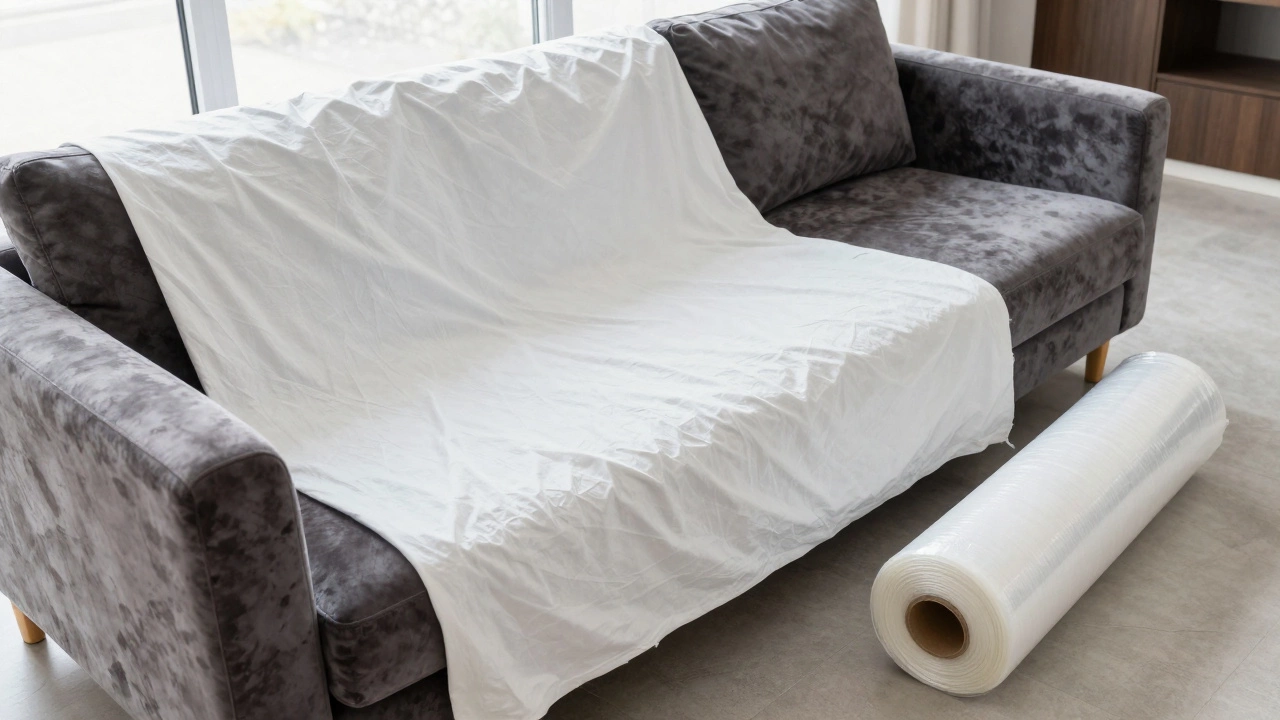
Start by vacuuming the piece thoroughly. Any crumbs or dirt trapped under the wrap can act like sandpaper, grinding into the fabric as the piece moves. Next, use a clean, old cotton bedsheet to cover the entire surface. This provides a soft layer that won't snag the upholstery. Once the sheet is in place, wrap the whole thing in furniture wrapping materials like stretch wrap. Avoid wrapping it too tight-leave a bit of slack so the fabric isn't compressed, which could leave permanent creases in some materials.
If you're storing items long-term, look for breathable plastic furniture covers. These have small perforations that allow air to circulate, preventing that "stale" smell that happens when fabric is sealed in airtight plastic for months.
Protecting Hard Wood and Veneers
Wooden furniture is susceptible to two main enemies: scratches and moisture. If you wrap a wooden table in plastic wrap directly, the plastic can actually react with some varnishes or oils, leaving a cloudy residue known as "blooming."
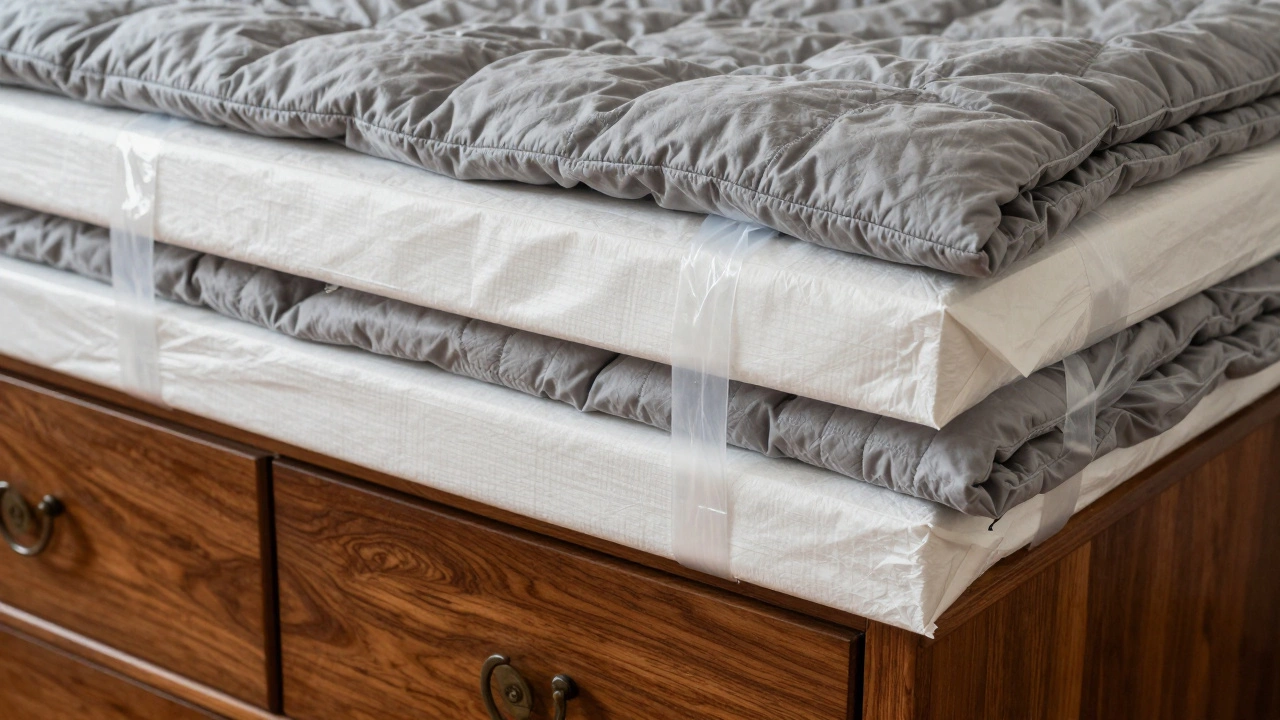
The best approach is a layered system. First, use Packing Paper, which is uncoated, recyclable paper used to wrap items to prevent surface friction. Cover the entire surface of the wood. This creates a pH-neutral barrier. Once the paper is taped down, drape a moving blanket over the piece. Secure the blanket with a few loops of stretch wrap-but don't wrap the plastic directly against the wood. Use the plastic to hold the blanket in place.
For dresser drawers, don't empty them if they aren't too heavy. Keep the clothes inside to provide extra internal support, then wrap the entire dresser in stretch wrap to ensure the drawers don't slide open during the move. This prevents the drawer glides from bending or breaking.
Handling Fragile and Antique Pieces
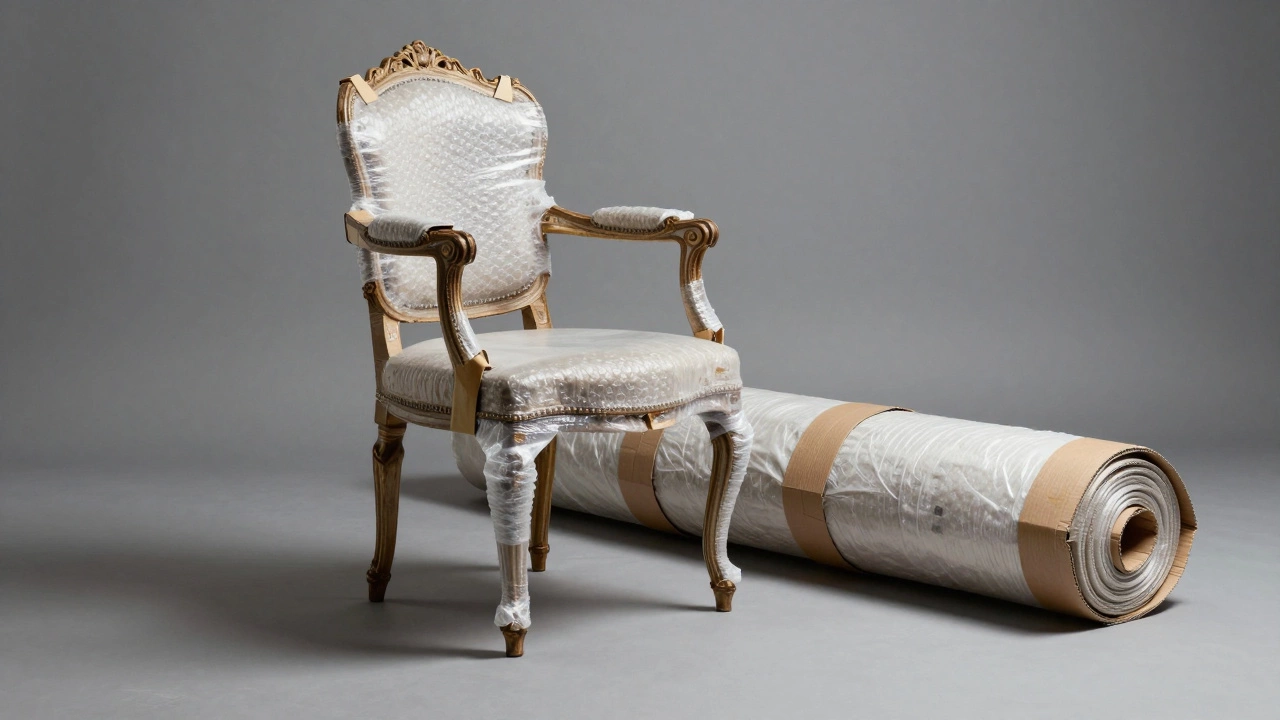
Antiques often have "weak points" like thin legs, gold leafing, or mirrored glass. These require a different level of care. You can't just blanket-wrap an 18th-century chair; you need to isolate the fragile parts.
- Isolate the legs: Wrap each leg individually in bubble wrap and secure them with tape. This prevents the legs from knocking against other furniture.
- Edge Protection: Use cardboard corner protectors. These are L-shaped strips of heavy cardboard that prevent the corners of your furniture from being crushed.
- The "Burrito" Method: Lay a large moving blanket on the floor, place the item in the center, and roll the blanket around it tightly, securing the ends with tape or twine.
If the piece has a mirrored surface, avoid using adhesive tape directly on the glass. Tape can leave a sticky residue that is nearly impossible to remove without scratching the mirror. Instead, use packing paper as the first layer, and use the tape only on the paper.
Common Pitfalls to Avoid
One of the biggest mistakes people make is over-reliance on plastic. Plastic is great for keeping rain off a sofa during a ten-minute walk to the van, but it's a nightmare for long-term storage. If there is any moisture in the air when you seal the furniture, that moisture stays trapped. In a humid environment, this creates a greenhouse effect, leading to mold and mildew.
Another common error is using the wrong tape. Standard clear office tape is too weak and often leaves a residue. Use a high-quality packing tape or, better yet, fabric stretch wrap. Also, avoid using shrink wrap that requires heat for those who aren't professionals; you risk burning the fabric or melting a finish if you're not careful with the heat gun.
Long-Term Storage Checklist
If you're moving your furniture into a professional storage unit or a spare room for more than a month, follow this checklist to ensure everything comes out in the same condition it went in:
- Clean and Dry: Ensure all surfaces are bone dry. A damp spot on a wooden table will become a permanent stain under plastic wrap.
- Hardware Removal: Take off any detachable handles, knobs, or shelves. Wrap these separately in bubble wrap and store them in a labeled box.
- Air Circulation: Leave a small gap in your wrapping or use breathable covers to prevent mold.
- Elevation: Never store furniture directly on a concrete floor. Use pallets or cardboard sheets to prevent moisture from seeping up into the wood.
- Labeling: Mark the outside of the wrap with a marker (e.g., "Living Room Side Table") so you don't have to unwrap everything to find one item.
Is it safe to use plastic wrap on leather furniture?
Generally, no, not for long periods. Leather needs to breathe. Wrapping leather tightly in plastic can trap moisture and cause the leather to crack or develop mold. For short moves, it's fine, but for storage, use a breathable cotton sheet and a loose-fitting fabric cover.
Which is better: bubble wrap or moving blankets?
It depends on the goal. Bubble wrap is superior for preventing breaks and protecting fragile, small components (like table legs or glass). Moving blankets are better for preventing surface scratches and providing a general layer of cushioning for large, heavy items.
How do I stop furniture from getting dusty in storage?
The best way to stop dust is to use a combination of a moving blanket for protection and a light layer of stretch wrap to seal the edges. For very long-term storage, a fitted plastic furniture cover is the most effective option, provided the item is completely dry before wrapping.
Can I use old bedsheets to wrap my furniture?
Yes, old cotton sheets are an excellent, cheap alternative to packing paper or thin blankets. They provide a soft, non-abrasive layer that protects finishes. Just make sure they are clean and free of holes before using them.
Do I need to remove the drawers from a chest before wrapping?
Usually, you can leave them in. In fact, keeping them full of light items like clothes provides internal structural support. The key is to wrap the outside of the chest tightly with stretch wrap to prevent the drawers from sliding out during transit.
Final Steps for Different Scenarios
If you're moving house today: Focus on speed. Use moving blankets for the big stuff and stretch wrap to keep everything tight and secure. Don't overthink the long-term breathability if the furniture will be unwrapped in four hours.
If you're storing furniture for a year: Prioritize breathability. Use acid-free paper for wood, cotton sheets for fabric, and avoid airtight plastic. Ensure your storage space is climate-controlled or well-ventilated to prevent the wrapping from trapping humidity.
If you're shipping an antique across the country: Go for maximum isolation. Bubble wrap every single protruding piece, use cardboard corner protectors, and double-wrap with heavy-duty blankets. This is the only way to ensure the item survives the rough handling of professional freight shipping.