Health & Safety

When thinking about Health & Safety, the set of practices that protect people from injury and illness, you’re really dealing with everyday decisions that keep homes and workplaces risk‑free. Also known as well‑being standards, it touches everything from fire alarms to proper bedding for seniors. Health & Safety isn’t a abstract concept; it’s the reason a caregiver checks a nightstand for trip hazards before bedtime.

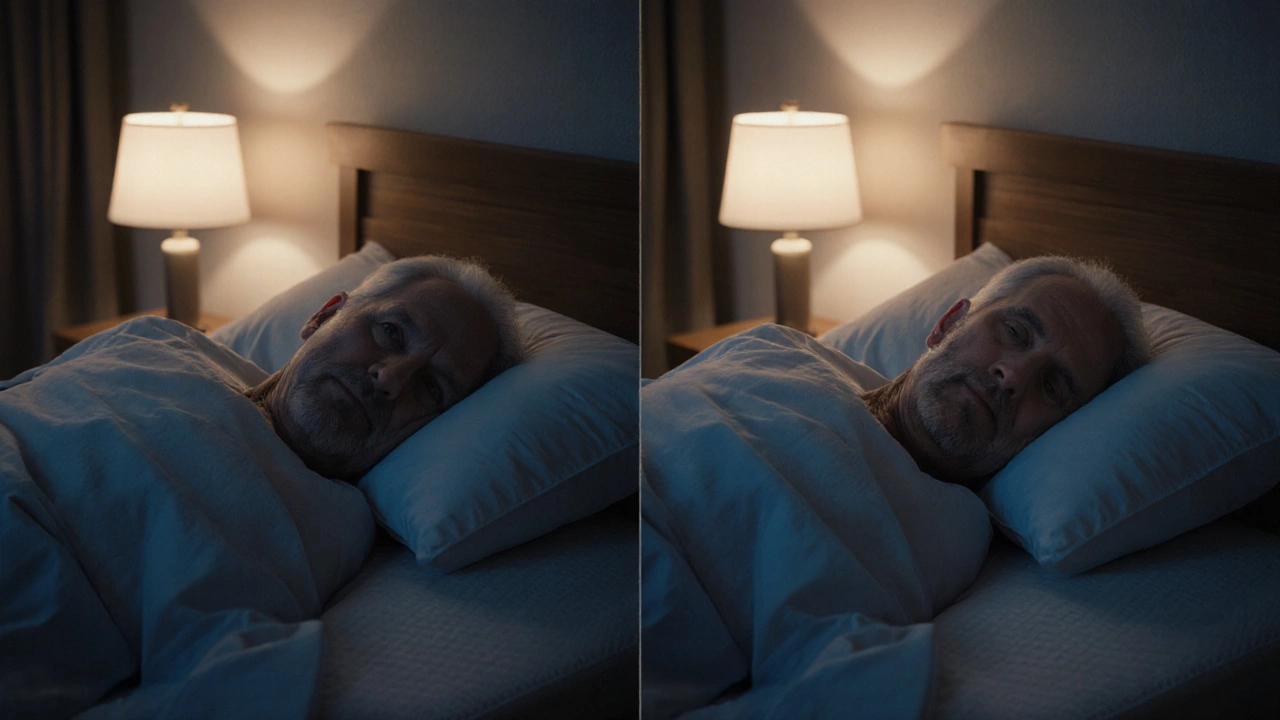
One of the most overlooked areas is Elderly Sleep Safety, strategies that lower fall risk and breathing problems while older adults rest. Improper bed angles can trigger Pressure Ulcers, painful skin injuries caused by sustained pressure on bony areas, especially when the head is elevated too high. At the same time, a poorly positioned pillow can worsen Sleep Apnea, a breathing disorder that pauses airflow during sleep and increases heart strain. Both conditions are not just health concerns; they directly influence a caregiver’s daily routine, making Caregiver Guidance, practical advice for those assisting seniors with daily activities essential for a safe environment.

Health & Safety encompasses safe sleeping practices, requires proper equipment, and influences overall health outcomes. It also demands that households assess mattress firmness, use side rails when needed, and keep the bedroom free of clutter. When you combine the right bed height with a breathable mattress, you reduce the chance of falls, keep skin healthy, and help the respiratory system work smoothly. This collection of ideas shows how a single adjustment—like lowering the pillow height—can prevent pressure buildup and ease apnea symptoms at the same time.

What You’ll Find Below

Below, you’ll discover articles that break down the two sleeping positions seniors should avoid, explain why those positions raise health risks, and offer step‑by‑step ways to create a safer night‑time setup. Whether you’re a family member, professional caregiver, or just curious about senior wellbeing, the posts give concrete actions you can start using today. Dive in to see real‑world tips that turn the theory of Health & Safety into everyday practice.
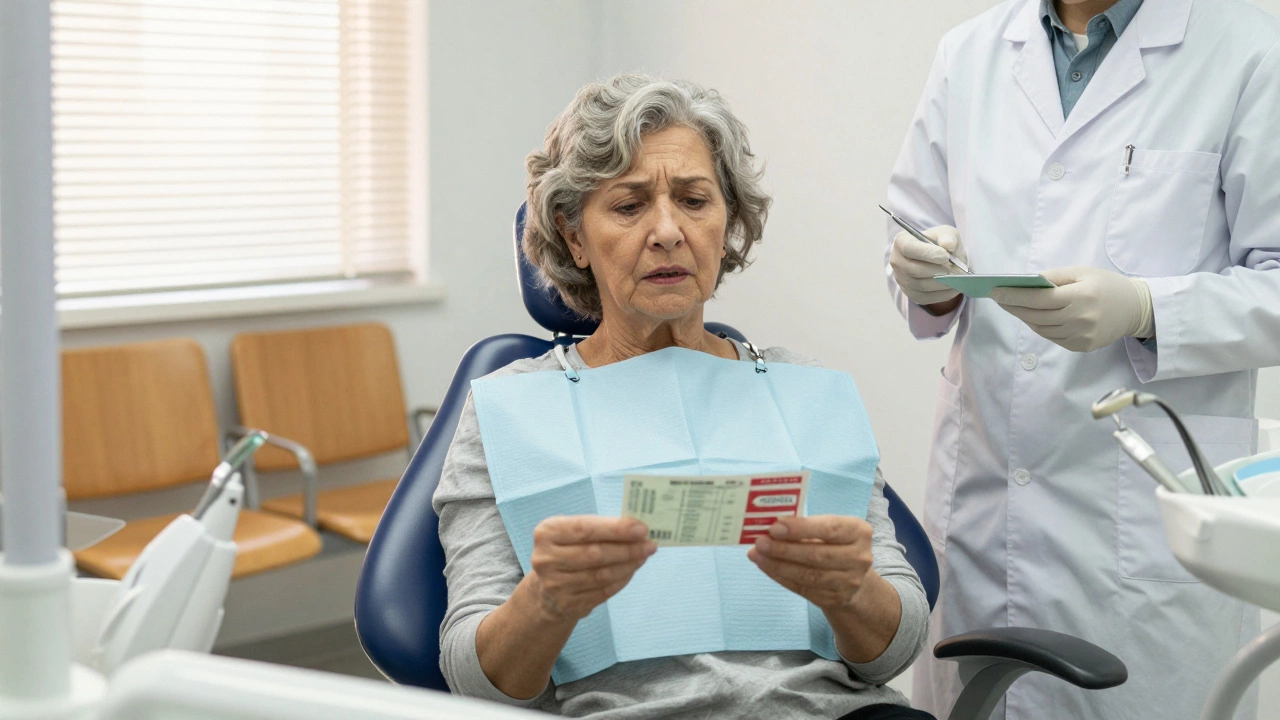
What 8 Things Does Medicare Not Cover? (And What to Do Instead)

What 8 Things Does Medicare Not Cover? (And What to Do Instead)

Desmond Lockwood Dec. 8 0

Medicare doesn't cover dental care, hearing aids, vision, long-term care, cosmetic surgery, alternative therapies, private-duty nursing, or routine foot care. Learn what's excluded and how to fill the gaps with supplemental plans or community resources.

More Detail
Recliners and Degenerative Disc Disease: Risks and Safe Tips

Recliners and Degenerative Disc Disease: Risks and Safe Tips

Desmond Lockwood Oct. 22 0

Learn if recliner chairs worsen degenerative disc disease and discover safe reclining tips, posture guidelines, and alternatives for back health.

More Detail
Unsafe Bed Positions for Seniors: Two Sleeping Positions to Avoid

Unsafe Bed Positions for Seniors: Two Sleeping Positions to Avoid

Desmond Lockwood Oct. 8 0

Learn which two bed positions are unsafe for seniors, why they increase health risks, and how to set up a safer sleeping environment.

More Detail
Recent posts
Is a Sofa Bed Bad for Your Back? Evidence, Fixes, and Better Sleep Options

Worried a sofa bed will wreck your back? See when it’s fine, when it’s not, how to fix it fast, and which sofa beds support your spine-plus alternatives and red flags.

Do You Have to Put a Rug Under a Coffee Table?

You don't have to put a rug under a coffee table, but doing so stops sliding, reduces noise, protects floors, and makes your living room feel more complete. Here's how to choose the right size, material, and style.

Do Amish Village Traditions Embrace POLYWOOD Garden Furniture?

The Amish community is renowned for their skilled craftsmanship, simple living, and use of traditional materials such as wood. However, with the rise of eco-friendly materials like POLYWOOD, which is made from recycled plastics, there's curiosity about whether the Amish have integrated such materials into their garden furniture. This article explores the unique blend of tradition and modernity in Amish furniture-making practices and examines the potential for using POLYWOOD. Discover how Amish values interact with contemporary environmental concerns and innovative materials.

About Us

Health & Safety