Sofa Durability & Longevity Estimator
Select your preferences below to calculate an estimated lifespan for your next sofa investment.
Select options and click Calculate
to see your results.
You just dropped two grand on a new sofa, and six months later, the armrests are peeling and the seat cushions look like they’ve been through a wrestling match. It’s frustrating, right? We all want that one piece of furniture that survives movie nights, muddy paws, and the occasional spilled coffee without looking tired after a year. But here is the hard truth: there is no single "magic" material that lasts forever. Durability depends on how you use it, who uses it, and what you’re willing to maintain.
As someone who has spent years in Leeds watching families navigate the showroom floor, I can tell you that the most durable sofa isn’t always the most expensive one. It’s the one matched correctly to your lifestyle. Are you a single professional with a cat? Or do you have three kids under ten? The answer changes completely. Let’s break down which materials actually hold up over time, so you don’t end up replacing your couch before the warranty expires.
Why Leather Often Wins the Longevity Game
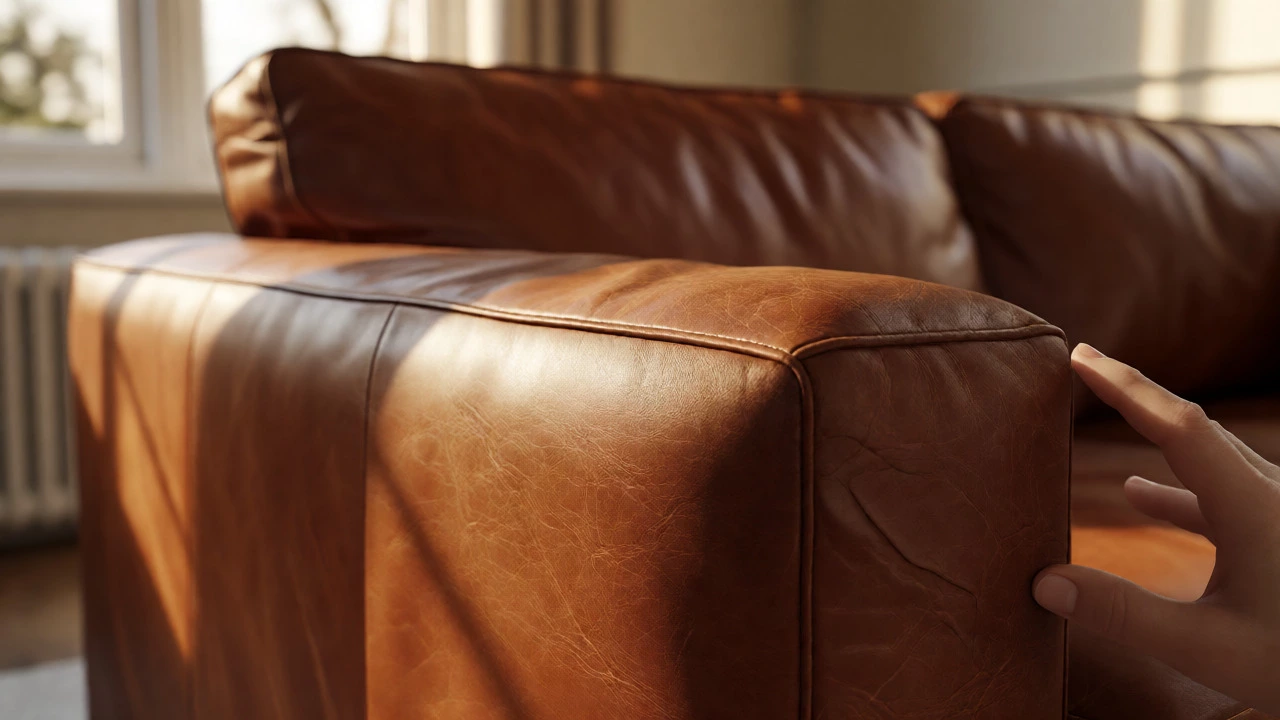
If you want a sofa that looks better as it ages rather than worse, Leather is usually the top contender. Specifically, we are talking about full-grain or top-grain leather, not the cheap bonded stuff you find at bargain outlets. Full-grain leather is the outermost layer of the hide. It hasn’t been sanded down to remove imperfections, which means the natural fibers remain intact and incredibly strong.
Think of it like a good pair of boots. They scuff, but they don’t fall apart. Leather resists punctures from claws (mostly) and doesn’t absorb spills the way fabric does. If you spill red wine, you wipe it off. Done. With fabric, that wine might soak into the foam cushion below, leading to mold or permanent staining deep inside the structure.
However, leather isn’t perfect for everyone. In a drafty Victorian house in winter, it can feel cold against your skin. And if you live in a sunny flat with south-facing windows, direct sunlight can dry out the oils in the leather, causing cracks if you don’t condition it every six months. But if you commit to basic maintenance, a high-quality leather sofa can easily last 15 to 20 years. That is a serious return on investment compared to the typical five-year life cycle of cheaper alternatives.
The Rise of Performance Fabrics
For many people, the idea of sitting on animal hide feels too formal or slippery. Plus, pets love to scratch leather, leaving visible marks that can’t be washed away. This is where modern technology steps in. You’ve probably heard of brands like Crypton or Sunbrella, but the general category is called Performance Fabric. These aren’t your grandma’s linen curtains. They are engineered textiles designed specifically for high-traffic areas.
What makes them different? Most performance fabrics feature a tight weave and a chemical treatment that repels liquids and stains. Some even have antimicrobial properties, which is a lifesaver if you have allergies or live in a humid climate. Unlike standard cotton or polyester blends, these fabrics resist abrasion. The Martindale test measures this; anything over 30,000 double rubs is considered heavy-duty commercial grade. For home use, aim for at least 15,000 to 20,000 rubs.
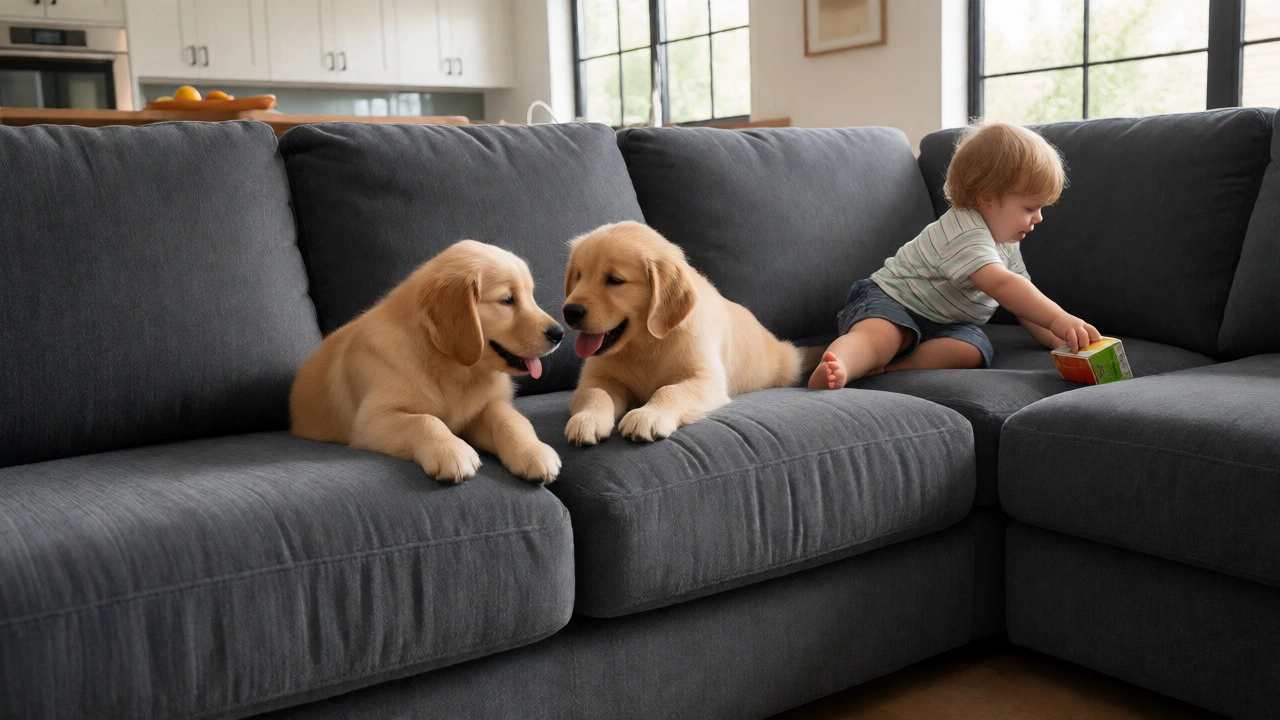
I recently helped a client in Harrogate choose a sofa for her open-plan kitchen-diner. She had two golden retrievers and toddlers. We ruled out velvet immediately-velvet is beautiful but traps hair and shows wear patterns quickly. Instead, she chose a dark grey performance microfiber. Three years later, it still looks brand new. The key was choosing a color that hid dirt and a texture that didn’t snag on dog nails. If you go this route, check the care label. Most performance fabrics allow you to clean spots with water and mild soap, which removes the fear of accidental disasters.
Cotton and Linen: Comfortable but High Maintenance
Natural fibers like Cotton and Linen offer unbeatable breathability. If you tend to run hot while sleeping or lounging, synthetic fabrics can make you sweat, but cotton lets air circulate. It feels soft, natural, and inviting. However, longevity takes a backseat to comfort here.
Cotton tends to fade when exposed to sunlight. Over time, the dyes break down, and your vibrant blue sofa turns a sad shade of teal. Linen wrinkles easily and can weaken if rubbed repeatedly in the same spot, such as the center of the seat cushion. Unless you buy a very high thread count or a blend reinforced with polyester, expect these sofas to show signs of aging within five to seven years.
That said, they are great for low-traffic rooms, like a guest bedroom or a formal living room that rarely gets used. If you do choose cotton or linen, look for tightly woven varieties. Loose weaves catch dirt and tear more easily. Also, consider removable covers. Being able to throw the cover in the washing machine extends the life of the sofa significantly, turning a potential stain disaster into a simple laundry day task.
| Material | Average Lifespan | Pet Resistance | Maintenance Level | Best For |
|---|---|---|---|---|
| Full-Grain Leather | 15-20+ Years | Moderate (scratches visible) | Medium (conditioning required) | Formal rooms, adults, sun protection needed |
| Performance Fabric | 7-10 Years | High (stain resistant) | Low (wipe clean) | Families, pets, high-traffic areas |
| Velvet (Synthetic) | 5-8 Years | Low (traps hair) | Medium (vacuuming required) | Style-focused, low-pet households |
| Cotton/Linen | 4-6 Years | Low (absorbs odors/stains) | High (professional cleaning often) | Guest rooms, cool climates |
Don’t Ignore the Frame and Cushions
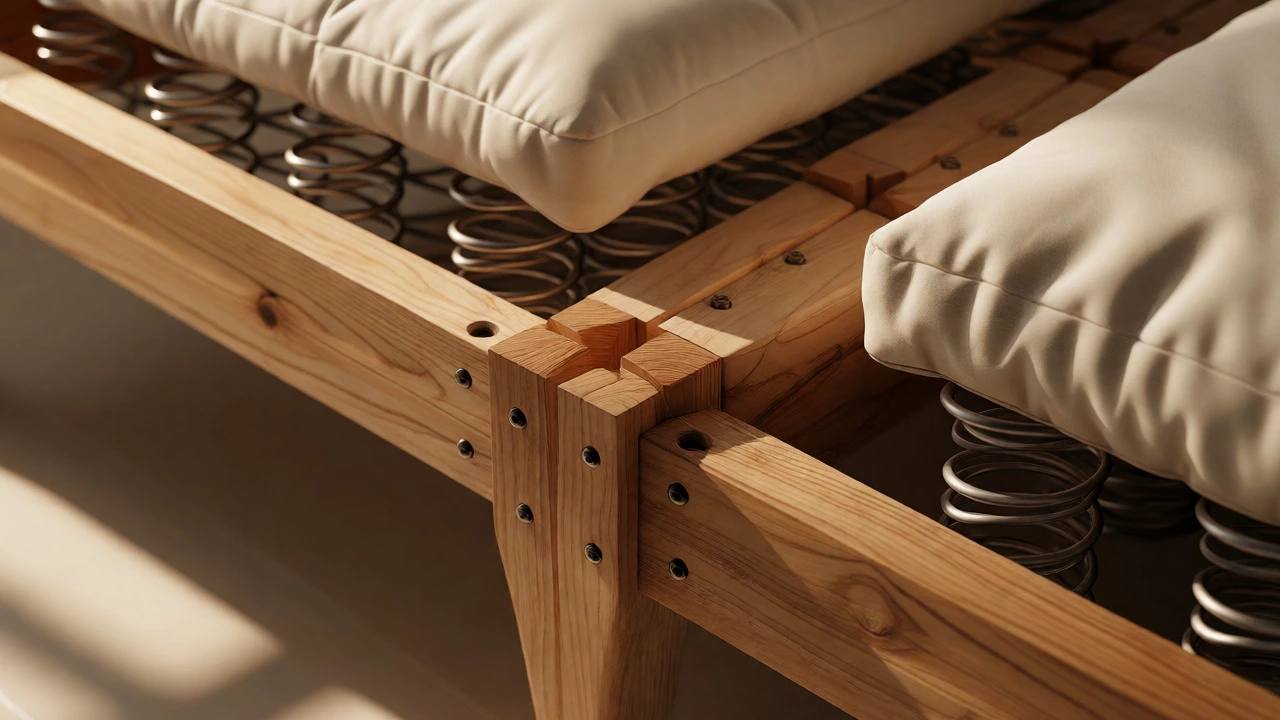
Here is a secret retailers don’t always shout about: the upholstery is only half the battle. You could wrap a weak frame in indestructible leather, and it will still sag in two years. When assessing durability, look underneath the fabric. The frame should be made of kiln-dried hardwood, not particleboard or plastic. Kiln-drying removes moisture, preventing warping and cracking over time.
Next, check the suspension system. Eight-way hand-tied springs are the gold standard for longevity. They distribute weight evenly and resist sagging. Sinuous springs (those S-shaped metal wires) are cheaper and acceptable for lighter users, but they can squeak or bend under heavy weight. If you weigh over 90kg or share the sofa with a partner regularly, invest in the better suspension.
Cushions matter too. Foam density is measured in pounds per cubic foot. Anything under 1.8 lbs is low-density and will flatten quickly. Look for high-resilience foam at 2.5 lbs or higher. Down-filled cushions feel luxurious but require constant plumping and can lose shape faster than foam. A hybrid approach-foam core wrapped in a thin layer of down-often offers the best balance of support and softness.
How Your Lifestyle Dictates the Best Choice
So, what material sofa lasts the longest for *you*? It comes down to honest self-assessment. Be realistic about your habits.
- The Pet Owner: Skip light-colored fabrics and delicate leathers. Go for dark, textured performance fabrics or distressed leather. Distressed leather hides scratches because it already looks worn-in. Avoid suede, which acts like a lint roller for pet hair.
- The Family with Kids: Stains are inevitable. Choose a patterned performance fabric. Patterns hide juice spills and crayon marks far better than solid colors. Removable washable covers are a game-changer here.
- The Minimalist Professional: If you keep a tidy home and have no pets, full-grain leather offers the best aesthetic aging. It develops a patina-a rich glow-that tells the story of its use. Just keep it out of direct sunlight.
- The Budget-Conscious Buyer: If you can’t afford premium materials now, look for mid-grade synthetic blends. They won’t last 20 years, but they offer decent durability for 5-7 years at a fraction of the cost. Plan to replace them eventually rather than pretending they’ll last forever.
Another factor is location. If you live near the coast, salt air can degrade certain metals and fabrics faster. Indoor humidity levels also play a role. Too dry, and wood frames crack; too damp, and mold grows in fabric layers. Using a dehumidifier in wet British winters can actually extend the life of your upholstered furniture by keeping the internal environment stable.
Signs It’s Time to Replace Your Sofa
Even the toughest materials have limits. How do you know when repair is no longer worth it? Watch for these red flags:
- Sagging Frames: If the wooden frame creaks loudly or feels loose when you shift weight, the joints are failing. Reupholstering won’t fix a broken skeleton.
- Irreparable Odors: Smoke, pet urine, or mold smells trapped deep in the foam are nearly impossible to remove fully. Baking soda helps surface issues, but deep saturation requires replacement.
- Visible Spring Protrusion: If you can feel individual springs poking through the fabric, the padding has failed. This leads to further tearing of the upholstery.
- Seam Splitting: Small tears at the seams can be sewn, but if multiple seams are giving way, the tension on the fabric is too high for the current structure.
Reupholstering is an option, but it costs almost as much as buying a new mid-range sofa. It’s usually only worth it if the frame is exceptionally high quality and you love the design. Otherwise, saving up for a new piece built with superior materials is often the smarter financial move.
Does leather really last longer than fabric?
Generally, yes. High-quality full-grain leather can last 15-20 years with proper care, whereas most fabric sofas last 5-10 years. However, cheap bonded leather may peel within 3-5 years, making it less durable than high-end performance fabrics.
Which sofa material is best for dogs?
Tight-weave performance fabrics or microfiber are best for dogs. They resist claw snags and are easy to clean. Leather is also good but shows scratches clearly. Avoid velvet and loose-weave linens, which trap fur and tear easily.
How can I make my fabric sofa last longer?
Vacuum weekly to remove abrasive dust particles, rotate cushions monthly to ensure even wear, and apply a fabric protector spray annually. Address spills immediately with blotting, not rubbing, to prevent stains from setting into the foam.
Is velvet durable for a family home?
Modern synthetic velvets (like polyester or nylon blends) are surprisingly durable and crush-resistant compared to traditional silk velvet. However, they still attract pet hair and can show traffic patterns. Darker colors help hide wear in busy homes.
What is the most durable sofa frame material?
Kiln-dried hardwood is the most durable frame material. It resists warping and breaking better than particleboard, plywood, or metal. Check for corner blocks glued and screwed into place for added stability.