Viewing Height: Quick Tips for Perfect TV Placement
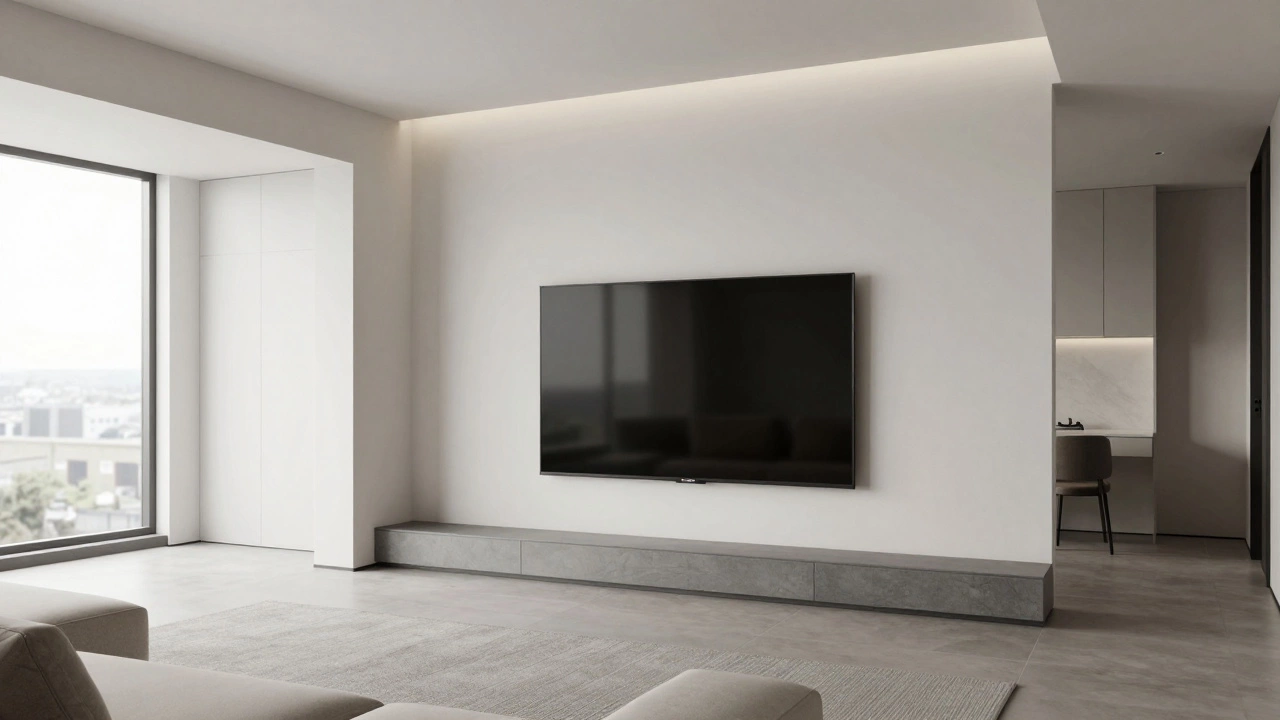
Ever sit on the couch and feel like you’re craning your neck to see the screen? That’s a clear sign your TV isn’t at the right height. Getting the viewing height right makes movies feel immersive, gaming more precise, and everyday watching comfortable.
Find the Sweet Spot
Start by measuring the height of your eyes when you’re relaxed on your favorite seat. For most people, that’s around 42‑48 inches from the floor. The center of the screen should line up with that eye level. If you have a wall‑mounted TV, use a stud finder and a level to mark where the middle of the screen will sit. For a TV stand, choose a piece that puts the screen’s center close to the same height.
Don’t forget the screen size. A larger TV means the center sits higher, so you might need a taller stand or a slightly higher mount. A quick rule: divide the TV’s height by two and add that to the height of the bottom of the screen. That tells you where the midpoint should be.
Adjust for Seating and Room Layout
If you have a low lounge chair or a recliner, you’ll need to lower the TV a bit. On the other hand, a high back sofa or a chair with a tall cushion pushes the eyes up, so a slightly higher mount works better.
When you’re arranging other furniture, keep the TV’s line of sight clear. Avoid placing tall shelves or picture frames directly in front of the screen. Use low side tables or built‑in cabinets that don’t block the view.
Viewing distance also matters. Multiply the screen’s diagonal size by 1.5‑2.5 to get the ideal distance. If you’re sitting too close, even a perfect height can feel harsh. Adjust your seating or consider a larger TV if the room is big.
Finally, think about glare. Mount the TV away from direct windows or use curtains to control light. Tilting the screen a few degrees down can also help if the TV sits a bit higher than eye level.
By measuring, matching eye level, and tweaking the surrounding layout, you’ll turn your living room into a space where every show feels natural and every game feels immersive. No more neck strain, just pure comfort.