Garden Cushion Mould Risk Calculator
Answer these questions to determine how likely your cushions are to develop mould and get personalized prevention tips.
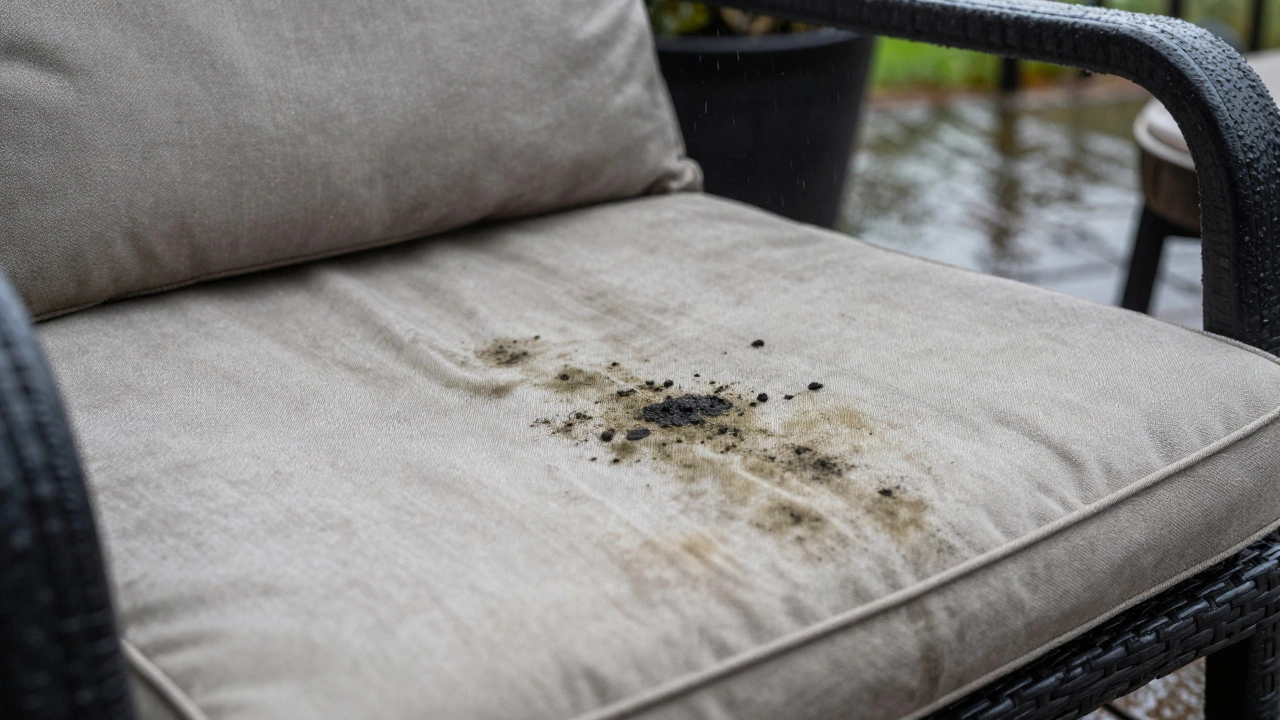
There is nothing worse than sinking into your favorite patio chair on a sunny afternoon, only to realize the cushion underneath you smells like damp earth and looks spotted with black fuzz. It’s a classic British summer nightmare. You’ve spent money on nice garden cushions that are soft, decorative pads used for outdoor seating comfort, but within weeks of rain, they’re ruined. Mould isn’t just unsightly; it can ruin fabric integrity and pose health risks if left unchecked.
The good news? Mould is entirely preventable. It doesn’t happen by magic-it happens because moisture gets trapped in fabric where air can’t circulate. If you control the moisture and manage the storage, you can keep your outdoor living space fresh all year round. Here is exactly how to stop that cycle before it starts.
Why Your Cushions Are Getting Mouldy
To fix the problem, you first need to understand why it’s happening. Mould spores are everywhere-they float in the air, sit on leaves, and wait for the right conditions. The two main triggers are moisture and lack of airflow.
When rain hits your outdoor furniture that is furniture designed for exterior use, including tables, chairs, and sofas, the water soaks into the foam inside the cushion. Even if the outer fabric is "water-resistant," it rarely seals completely. Once the foam is wet, it stays wet for days. If you then stack those damp cushions against a wall or put them in a closed box, you’ve created a perfect incubator. No air means no drying. No drying means mould growth.
Another common mistake is leaving cushions out during autumn and winter. In places like Leeds, we get consistent drizzle and high humidity even when it’s not pouring down. Leaving cushions exposed to this seasonal dampness guarantees damage by spring.
The Golden Rule: Dry Storage Is Non-Negotiable
If there is one thing you take away from this guide, let it be this: cushions must be stored dry. This does not mean throwing them in a garage corner where they might touch a damp brick wall. It means storing them in a way that allows air to move around them.
Avoid plastic bags at all costs. People often think plastic protects the fabric, but it traps condensation. Instead, use breathable storage solutions:
- Ventilated Boxes: Use plastic storage boxes with vents or leave the lids slightly ajar. Better yet, use canvas or cotton laundry bags.
- Elevated Shelving: Never store cushions directly on concrete floors. Concrete releases moisture. Place them on wooden shelves or pallets.
- Desiccants: Throw in a few silica gel packets (the little pouches that come in shoe boxes) or place an open box of baking soda nearby to absorb ambient humidity.
If you don’t have a dedicated shed or garage, consider investing in a garden furniture cover that is a protective sheet made from waterproof material to shield outdoor furniture from elements. Look for covers with mesh panels for ventilation. A solid tarp will create a greenhouse effect under the fabric, making things worse.
Daily Habits to Prevent Mould Growth
You don’t need to wait until the first frost to start protecting your investment. Small daily habits make a huge difference during the usage season.
Flip and Rotate Regularly
Just like indoor mattresses, garden cushions need rotation. Flip them over every few days. This ensures both sides dry evenly after rain or dew. If you always sit in the same spot, that area compresses the foam, reducing its ability to breathe and increasing retention of moisture.
Shake Them Off
Before bringing cushions inside or covering them up, give them a good shake. Pollen, leaf litter, and bird droppings hold moisture against the fabric. Removing these particles reduces the surface area where mould can take root.
Use Quick-Dry Fabrics
If you’re buying new cushions, check the material tag. Polyester is a synthetic fiber known for durability and quick-drying properties and Acrylic is a synthetic textile resistant to fading and mildew are excellent choices. They repel water better than cotton or linen, which absorb moisture like sponges. Avoid velvet or chenille for outdoor use unless they are specifically treated for weather resistance.
How to Clean Mouldy Cushions Safely
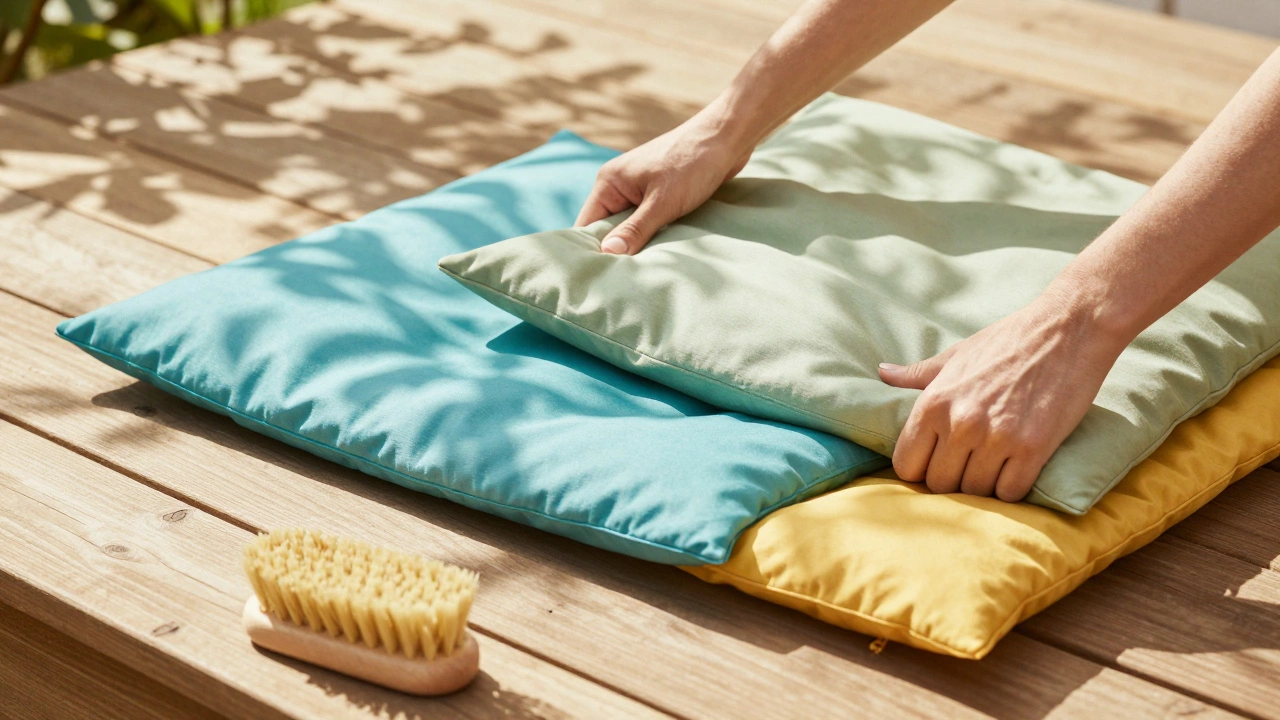
If you’ve already got mould spots, don’t panic. You can usually save them if you act quickly. Do not throw them away yet. Here is a step-by-step process to remove mould without damaging the fabric.
- Brush Outside: Take the cushion outside and brush off any loose spores with a soft-bristled brush. Do this in a well-ventilated area to avoid inhaling spores.
- Make a Cleaning Solution: Mix warm water with a mild detergent. For tougher stains, add a cup of white vinegar or a splash of bleach (only if the fabric is colorfast-check the label first). Vinegar is natural and effective against mould.
- Spot Clean: Dip a sponge or cloth into the solution and gently dab the affected areas. Do not scrub aggressively, as this can push mould deeper into the foam.
- Rinse Thoroughly: Rinse with clean water to remove soap residue. Soap left behind can attract dirt and trap more moisture.
- Dry Completely: This is the most critical step. Hang the cushions in direct sunlight if possible. UV rays kill mould spores naturally. Ensure they are bone-dry before putting them back on the furniture or storing them.
If the mould has penetrated deep into the foam core, you may smell it even after cleaning. In this case, the foam itself is compromised. Consider replacing just the inner foam insert while keeping the outer cover, or buy a replacement cushion.
Choosing the Right Protective Gear
Investing in the right accessories can extend the life of your cushions by years. Here is what to look for:
| Method | Effectiveness | Cost | Best For |
|---|---|---|---|
| Breathable Covers | High | Medium | Seasonal protection when furniture is in use |
| Waterproof Tarps | Low (Traps Moisture) | Low | Short-term emergency cover only |
| Fabric Protector Spray | Medium | Low | Enhancing water repellency of existing fabrics |
| Indoor Storage | Highest | None (if space exists) | Winter months and long periods of non-use |
Fabric protector spray is a chemical treatment applied to textiles to repel water and stains can be a useful addition. Apply it annually before the summer season. It creates a microscopic barrier that causes water to bead up and roll off rather than soaking in. However, it is not a substitute for proper drying and storage.

Common Mistakes to Avoid
Even well-meaning homeowners make errors that lead to mould. Watch out for these pitfalls:
- Storing Cushions Upright Against Walls: This restricts airflow on one side. Always lay them flat or hang them if possible.
- Ignoring Dew: Morning dew can soak cushions just as much as rain. Bring them in or cover them early in the morning.
- Using Bleach on Colored Fabrics: Bleach can fade colors and weaken fibers. Stick to vinegar or specialized outdoor cleaners for colored cushions.
- Assuming "Weatherproof" Means Invincible: Marketing terms vary. Even high-end brands recommend covering cushions during heavy storms or winter.
When to Replace vs. Repair
Sometimes, despite your best efforts, cushions become unsalvageable. How do you know when it’s time to let go?
If the foam crumbles when you press it, it has lost its structural integrity due to prolonged moisture exposure. If the mould smell persists after multiple cleanings and sun-drying sessions, the spores have colonized the internal structure. In these cases, replacing the cushion is safer and more cost-effective than continuing to fight a losing battle.
Consider upgrading to modular cushions with removable covers. These allow you to wash the fabric separately in a machine and replace the foam independently, giving you more control over maintenance.
Can I put garden cushions in the washing machine?
Only if the label explicitly says "machine washable." Most outdoor cushions have large foam inserts that cannot be washed. Remove the cover first. Wash the cover on a gentle cycle with cold water, and air dry it completely. Never put the foam core in the washer-it will retain water and develop mould inside.
Does vinegar kill mould on fabric?
Yes, white vinegar is highly effective against mould. Its acidic nature breaks down mould structures. Mix equal parts water and vinegar, apply to the stain, let it sit for 15 minutes, then rinse. It also helps neutralize odors associated with dampness.
How long should I leave cushions in the sun to dry?
It depends on the thickness of the foam and the intensity of the sun. Generally, leave them for at least 4-6 hours in direct sunlight. Press the center-if it feels cool or damp, it needs more time. Sunlight also acts as a natural disinfectant.
Is it safe to sit on mouldy cushions?
No, it is not recommended. Mould spores can cause respiratory issues, skin irritation, and allergic reactions. If you suspect mould, clean the cushion thoroughly before using it again. If the mould is extensive, discard the item.
What is the best type of fabric for outdoor cushions?
Solution-dyed acrylic and polyester are the top choices. They resist fading, repel water, and dry quickly. Olefin is another durable option commonly used in marine environments. Avoid natural fibers like cotton or wool unless they are heavily treated for outdoor use.