TV Stands: Choosing the Right Piece for Your Space
If you’ve just bought a new TV or are thinking about upgrading your living room, the first thing to sort out is where the screen will sit. A good TV stand does more than hold the box – it adds storage, sets the viewing height, and ties the room together. In this guide we’ll walk through the basics, point out common mistakes, and give you practical tips you can use right now.
Why a TV Stand Matters
Most people assume any table will do, but the right stand affects comfort and safety. When the screen is too low you’ll hunch, which hurts your back after a few episodes. Too high and you’ll strain your neck. The sweet spot is usually eye level when you’re seated, which works out to about 42‑48 inches from the floor for a typical sofa.
Besides height, a stand can hide cables, keep DVDs or game consoles out of sight, and even add a splash of style. A cluttered floor looks messy and can be a tripping hazard, especially in homes with kids or pets.
Top Styles and Tips
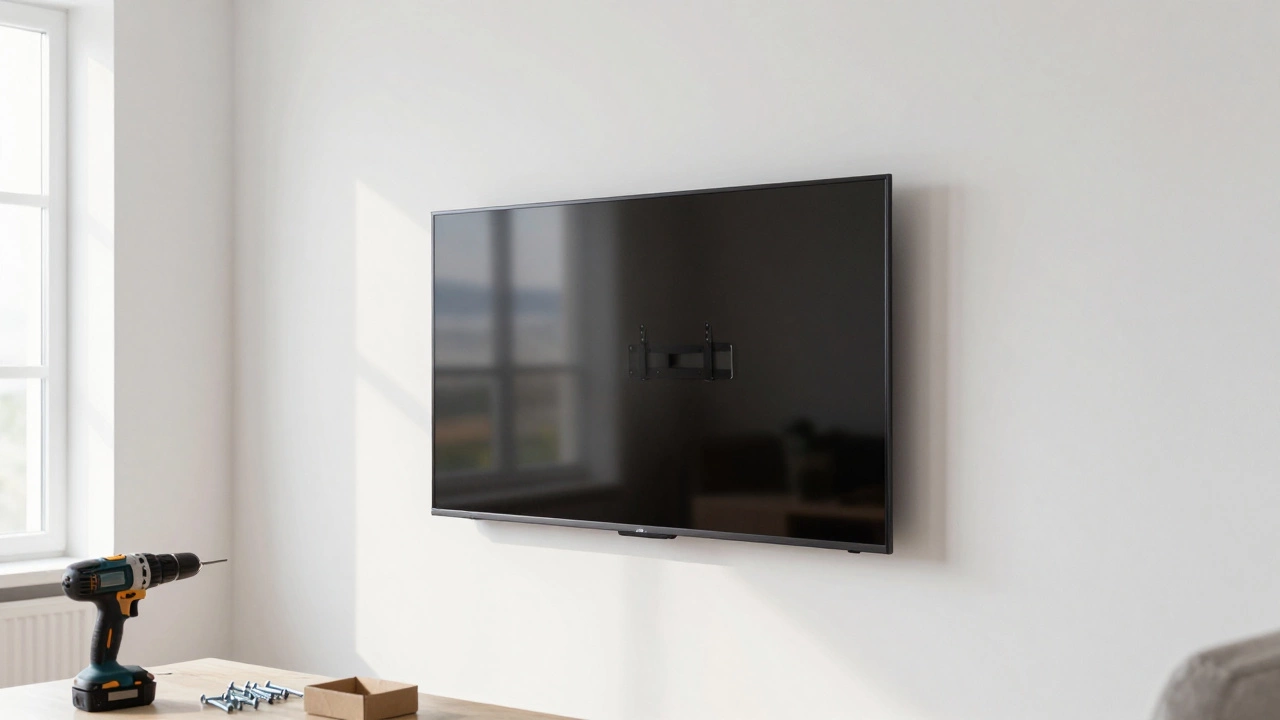
Simple Shelves – If you’re on a budget, a sturdy wall‑mounted shelf does the job. It frees up floor space and looks sleek. Just make sure the wall can handle the TV’s weight and use a proper VESA mount if needed.
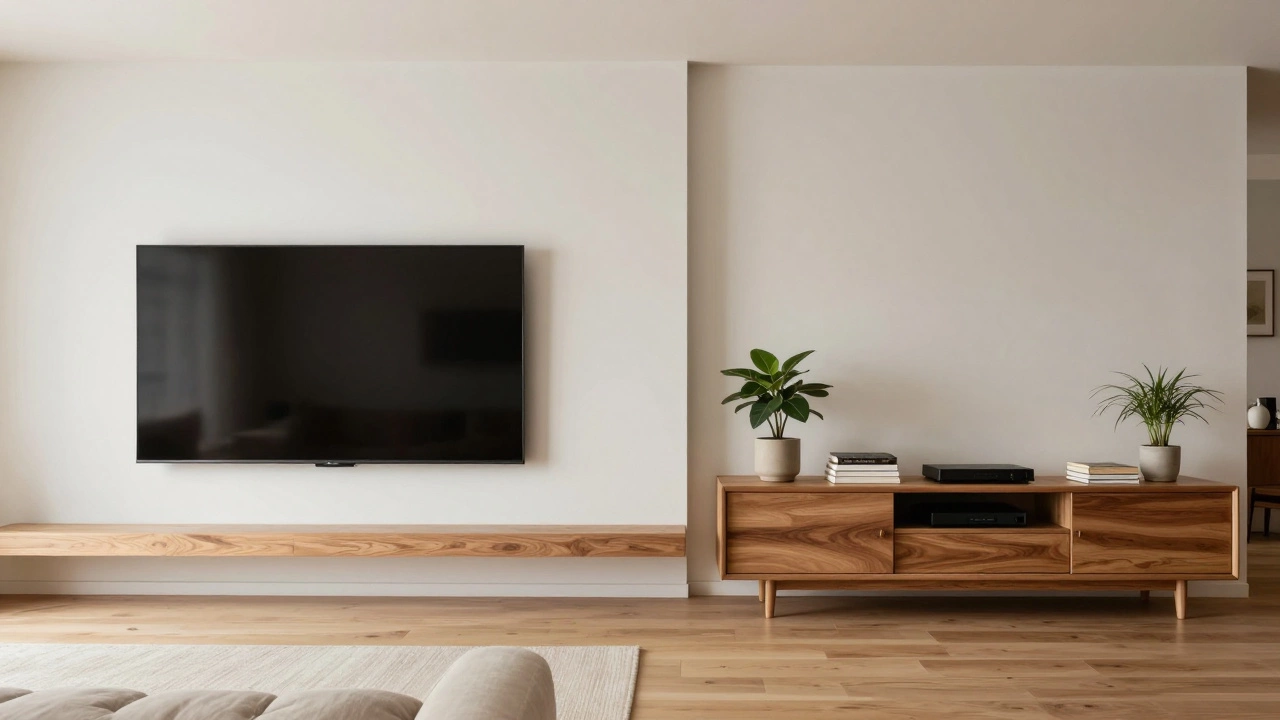
Mid‑Century Cabinets – These give a retro vibe and usually come with drawers for remote controls and media. Look for solid wood or veneered panels that match your other furniture.
Floating Consoles – A floating console hangs a few inches off the wall, creating a modern, airy feel. They’re great for smaller rooms because they don’t take up floor space.
Custom Builds – If you have a unique room shape or specific storage needs, a bespoke TV stand from a local carpenter (like Crafted Furniture Solutions) can be made to exact measurements. You get the exact height, finish, and compartments you want.
When you compare stand vs wall mount, ask yourself a few questions: Do you move the TV often? Do you need extra storage? Is your wall solid enough for a mount? Answering these helps you decide quickly.
Pay attention to the width of the stand too. A good rule of thumb is to choose a piece that’s at least as wide as the TV, but not so wide that it overwhelms the wall. If your TV is 55 inches, a 60‑inch stand looks balanced.
Maintenance is simple – wipe the surface with a dry cloth and avoid harsh chemicals that can damage the finish. If you have children, consider rounded corners or a low‑profile design to reduce bumps.
Finally, don’t forget the little extras that make a big difference: built‑in cable management holes, adjustable shelves for consoles, and a sturdy back panel to keep the unit from wobbling.
Choosing the right TV stand doesn’t have to be overwhelming. Start with the height, add the storage you need, pick a style that matches your room, and you’ll have a functional piece that looks great for years. Ready to upgrade? Browse the options, measure your space, and enjoy a cleaner, more comfortable viewing experience.