TV Stand Height: Find the Right Height for Your TV
Getting your TV at the right height isn’t just about looks – it’s about comfort too. Too low and you’ll strain your neck; too high and you’ll end up craning your head. Let’s break down the basics so you can pick a height that feels natural and makes your living room look sharp.
Why Height Matters
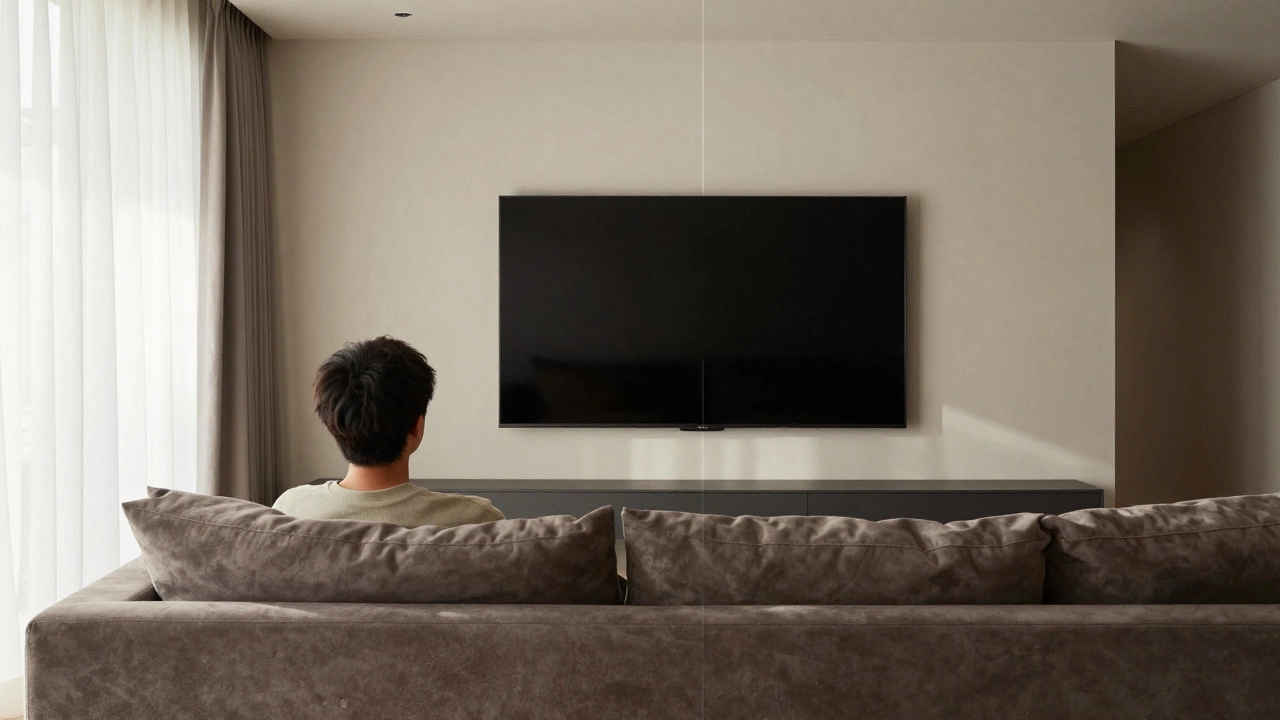
When you sit on your sofa, your eyes are usually about 42‑45 inches off the floor. The sweet spot is to have the middle of the screen right at that level. That way you watch without tilting up or down, which keeps your neck relaxed for hours of binge‑watching.
Besides comfort, the right height helps the TV blend with other furniture. A stand that’s too tall can dominate a small room, while a low stand might make the TV look lost next to a tall bookshelf. Balance is the key.
How to Measure the Ideal Height
Start by sitting on your favorite spot and measuring the distance from the floor to your eyes – most people land between 42 and 45 inches. Next, decide where you want the screen’s centre to be. Subtract half the TV’s height from your eye‑level measurement; that number is the height from the floor to the bottom of the TV.
Here’s a quick example: If your eye level is 44 inches and you have a 32‑inch TV (about 16 inches tall), aim for the bottom of the TV at roughly 36 inches high. That puts the centre around 44 inches – right where you want it.
Most ready‑made TV stands sit between 20 and 30 inches tall. If that range doesn’t line up with your measurement, a custom stand can be built to match the exact height you need. Crafted Furniture Solutions can cut a stand to any size, so you never have to compromise.
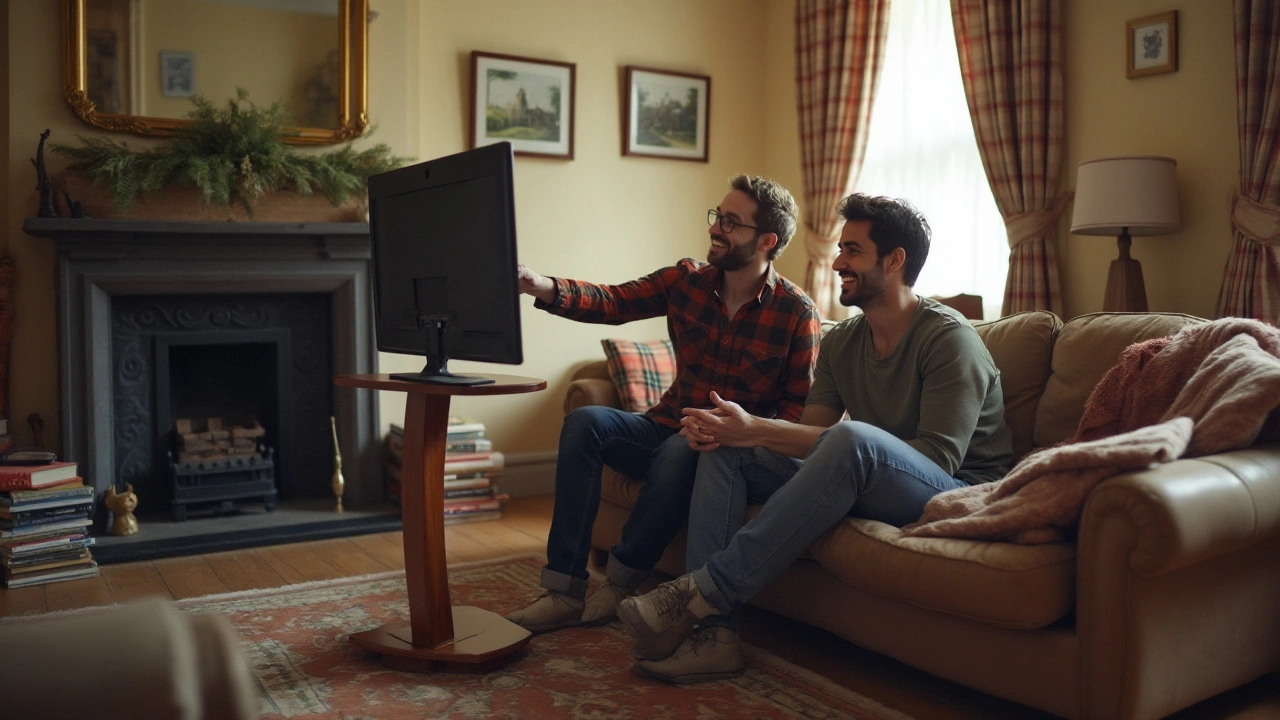
Don’t forget about the TV’s base. Some models have a thick stand that adds a few extra inches. You can either factor that into your measurement or choose a wall‑mount bracket and add a low‑profile cabinet underneath.
Adjustable feet are another handy trick. They let you raise or lower the stand by an inch or two without buying a new piece. If you’re unsure, start with a stand a bit lower than you think you need – it’s easier to add height later than to cut it down.
Finally, think about other room elements. If you have a tall coffee table or a low ceiling, you might want the TV a touch lower to keep the visual flow. Conversely, in a high‑ceiling loft, a taller stand can fill space nicely.
Bottom line: Measure your eye level, subtract half the TV’s height, and choose a stand that hits that number. When in doubt, a custom solution from a local craftsman will get you spot‑on.