TV Stand Compatibility: The Easy Way to Pick the Right Fit
When dealing with TV stand compatibility, the match between a television's dimensions, weight, and connection needs and the design of a stand or console that holds it. Also known as TV console fit, it determines whether your TV sits securely and looks good in your room.
First, consider TV size, the diagonal measurement of the screen, usually expressed in inches. A 55‑inch screen needs a broader shelf than a 32‑inch model, and the weight difference can be significant. Next up is furniture dimensions, the width, depth, and height of a stand or media console. If the top is too narrow, the TV may overhang, risking wobble or even a tip‑over. Finally, the VESA mounting pattern, the standardized hole spacing on the back of the TV for wall‑mount brackets matters when you plan to add a bracket to a console. All three entities intersect to define a safe, functional setup.
Key Factors for TV Stand Compatibility
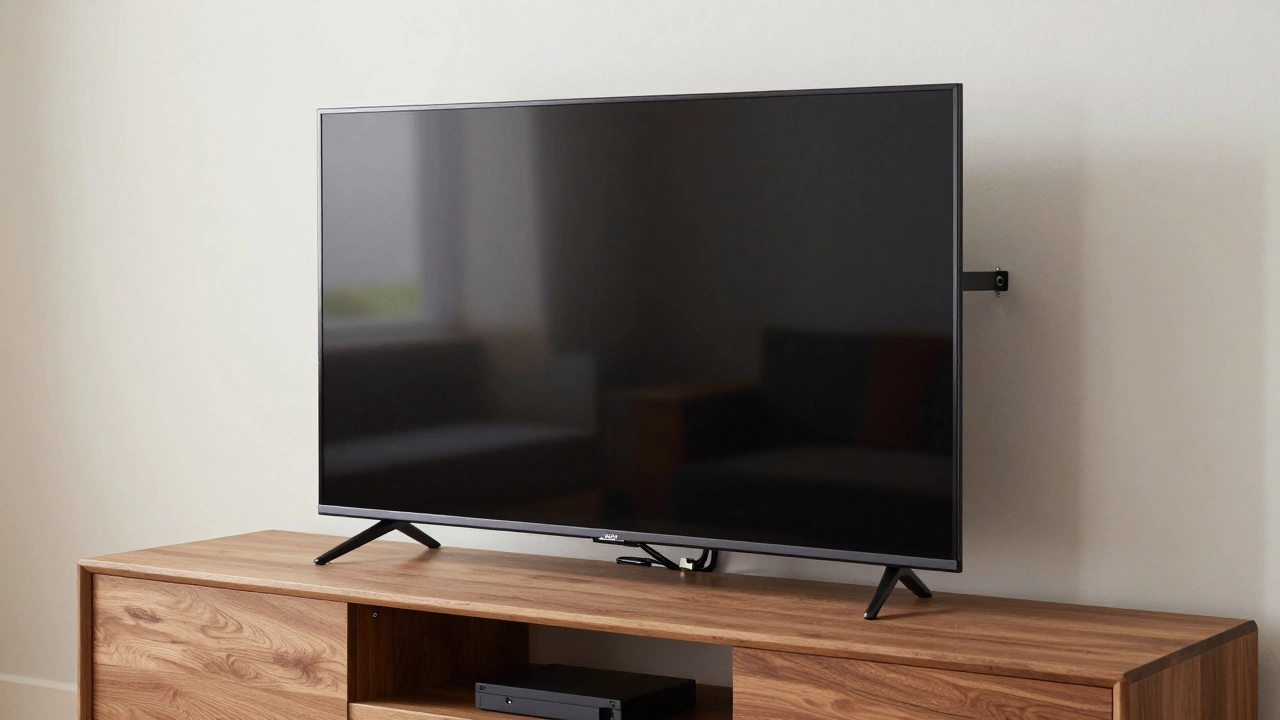
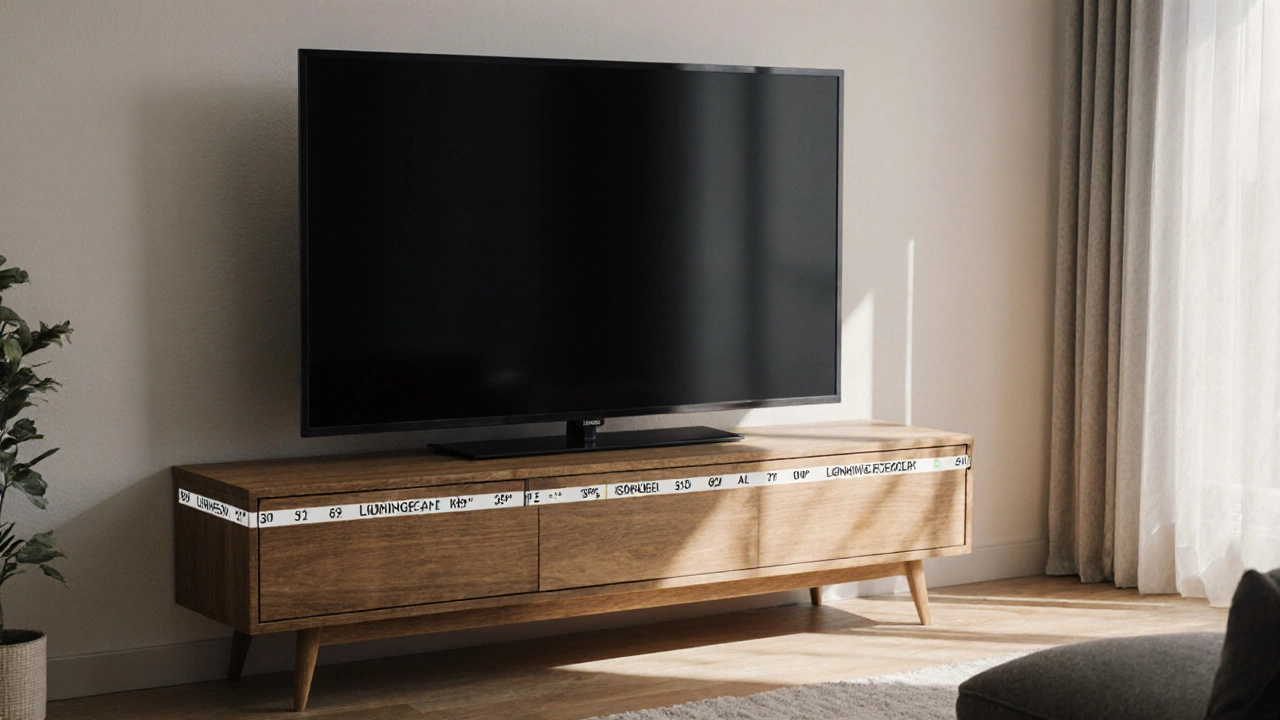
One TV stand compatibility rule is that the stand’s width should be at least half the TV’s width, giving a stable base and room for side speakers. The depth of the stand must accommodate the TV’s stand‑foot length plus any cable ports. Overlooking depth can lead to scratched surfaces or blocked ventilation. Weight limits are another non‑negotiable factor—check the stand’s rating and compare it to your TV’s specifications. A mismatch can cause sagging shelves or a broken bracket.
Beyond the numbers, style plays a role. A sleek low‑profile console works well in modern rooms, while a traditional wooden media console pairs nicely with classic décor. Yet, the style must not compromise clearance for ventilation or cable access. The TV’s rear ports need space; otherwise you’ll struggle with HDMI, power cords, or sound bars. Some stands include built‑in cable management, which eases the clutter and aligns with ergonomic viewing heights.
When you combine these aspects—size, dimensions, weight, VESA pattern, and aesthetic—the result is a harmonious setup that’s both safe and attractive. For example, a 65‑inch TV with a VESA 400 × 400 pattern fits nicely on a console that’s 60 inches wide, 20 inches deep, and rated for at least 100 lb. Add cable channels and you’ve covered function and form.
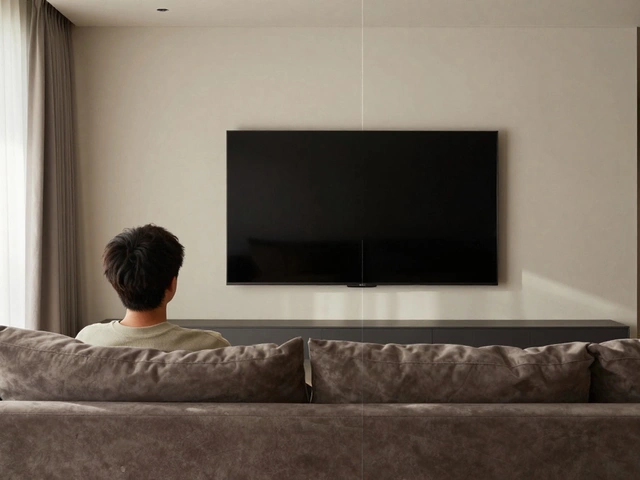
Most readers will also wonder about placement. Placing a TV too low can cause neck strain; too high makes the viewing angle uncomfortable. The ideal height places the screen’s center at eye level when seated, typically about 42–48 inches from the floor. Use adjustable legs or risers if the stand’s height doesn’t match this guideline. Also, avoid spots with direct sunlight—glare can ruin picture quality, a point highlighted in our guide on where NOT to put a TV.
Now that you’ve got the basics—matching TV size, respecting furniture dimensions, watching weight limits, and syncing VESA patterns—you’re ready to evaluate any stand you find. Below you’ll discover detailed articles that walk through safe TV placement, compare wall mounts to stands, and showcase creative bedroom TV stand ideas, all aimed at helping you make a confident choice.