Shelving Tips to Boost Storage and Keep Your Home Looking Good
Ever feel like you have too much stuff and not enough room? Shelving is the answer you’ve been looking for. With a few smart moves you can turn unused walls, corners, and even the floor into tidy storage zones. Below are the best, no‑fuss ideas you can start right now.
Pick the Right Shelf for the Space
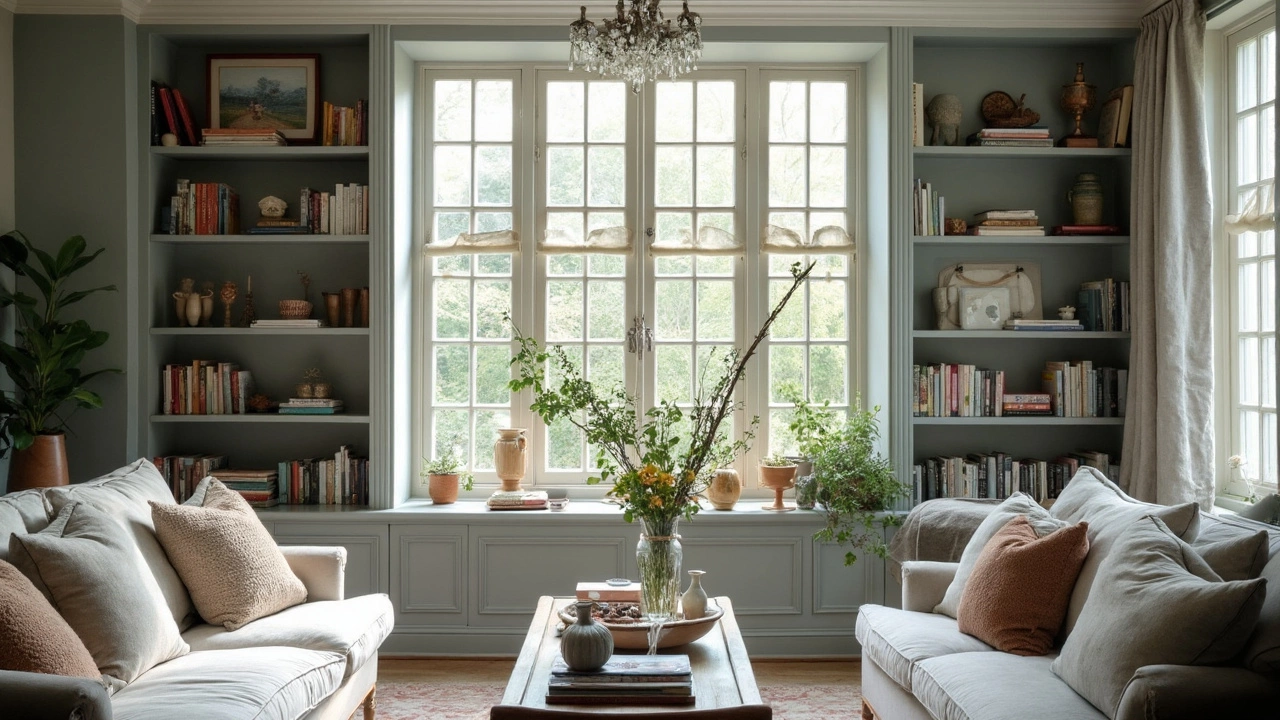
First thing – match the shelf to the spot. A tall, narrow unit works great in hallways or behind doors, while a wide, shallow rack is perfect for a living‑room wall. If you’re short on floor space, think floating shelves. They keep the floor clear and make the room feel larger.
Don’t over‑load a shelf. A good rule of thumb is to fill only three‑quarters of the depth. That way you can reach items without pulling the whole board out. Use brackets that can hold at least 50 lb if you plan to store books or kitchenware.
Organize with Zones and Bins
Once the shelves are up, divide them into zones. Keep like items together – books on one level, decor on another, and everyday tools on a lower shelf for easy access. Small bins or baskets work wonders for loose pieces. Label the bins with a marker or a sticker; you’ll thank yourself when you can find things fast.
For a tidy look, use containers that have the same color and style. It creates a clean line that makes even a cluttered wall look neat. If you prefer a more lived‑in vibe, mix in a few decorative boxes or vintage crates – just keep the sizes consistent.
Another quick tip: place the items you use most at eye level. This saves you from bending or stretching and keeps the most used things within arm’s reach.
Don’t forget vertical space. Stack a few narrow shelves on top of each other and use decorative hooks on the side for hanging bags, hats, or plants. The hooks add function and personality without taking up shelf space.
Finally, keep it light. If a wall looks too heavy with shelves, paint the back of the shelf a bright color. It adds visual depth and makes the area feel airy.
These shelving tips are easy to try, cheap to do, and they’ll instantly make your home feel bigger and more organized. Grab a drill, some brackets, and start turning empty space into useful storage today.