Recliner Posture Issues: Why Your Chair Might Be Hurting You
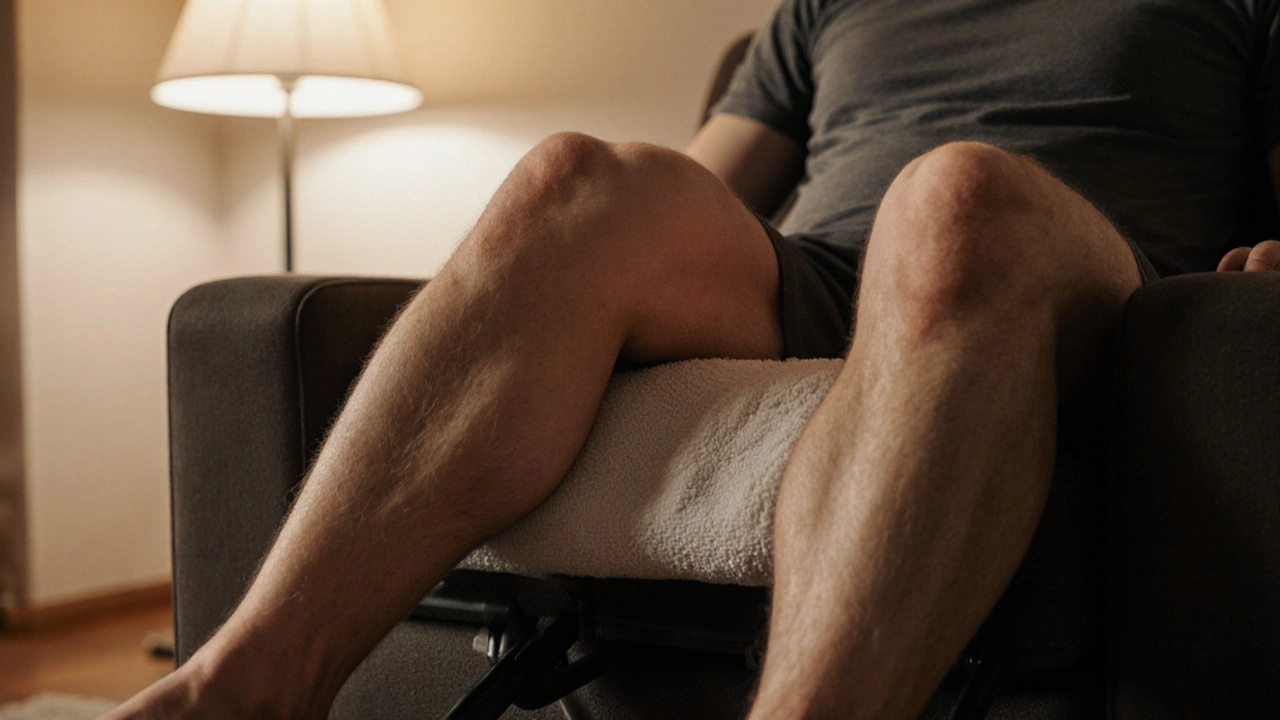
When you sit in a recliner, a chair designed to lean back and support the legs, often with a footrest that extends. Also known as lounger, it’s meant to relax you—but if it’s not right for your body, it can cause serious recliner posture issues.
Many people think recliners are good for the back, but that’s only true if they match your spine’s natural curve. A poorly designed recliner forces your lower back into a rounded shape, which puts pressure on your discs. This isn’t just uncomfortable—it can make degenerative disc disease, a condition where spinal discs wear down over time, leading to chronic pain worse. Seniors, in particular, are at risk. A senior recliner, a chair built with extra lumbar support, easy lift mechanisms, and proper height for safe standing isn’t a luxury—it’s a medical necessity for many. Without it, sitting for long periods can lead to muscle strain, poor circulation, and even balance problems when getting up.
The problem isn’t always the chair itself. It’s how you use it. Slouching too far back, letting your head drop forward, or sitting with your knees higher than your hips all throw off your alignment. Even a high-end recliner won’t help if you’re not sitting right. That’s why features like adjustable headrests, lumbar support zones, and zero-gravity positioning matter. These aren’t just marketing buzzwords—they’re solutions to real spinal health, the condition of your vertebrae, discs, and surrounding muscles that affect how you sit, stand, and move problems.
You don’t need to give up your recliner. But you do need to understand what makes one safe. The right chair lifts you up gently, supports your lower back without pushing it forward, and lets your feet rest flat. Too many people buy based on looks or price—and end up paying in pain later. The posts below cover exactly what to look for, what to avoid, and how to tell if your current chair is doing more harm than good. Whether you’re dealing with back pain, aging joints, or just want to sit without hurting yourself, you’ll find real advice here—not guesswork.