Recliner Health Risks: What You Need to Know Before You Sit Back
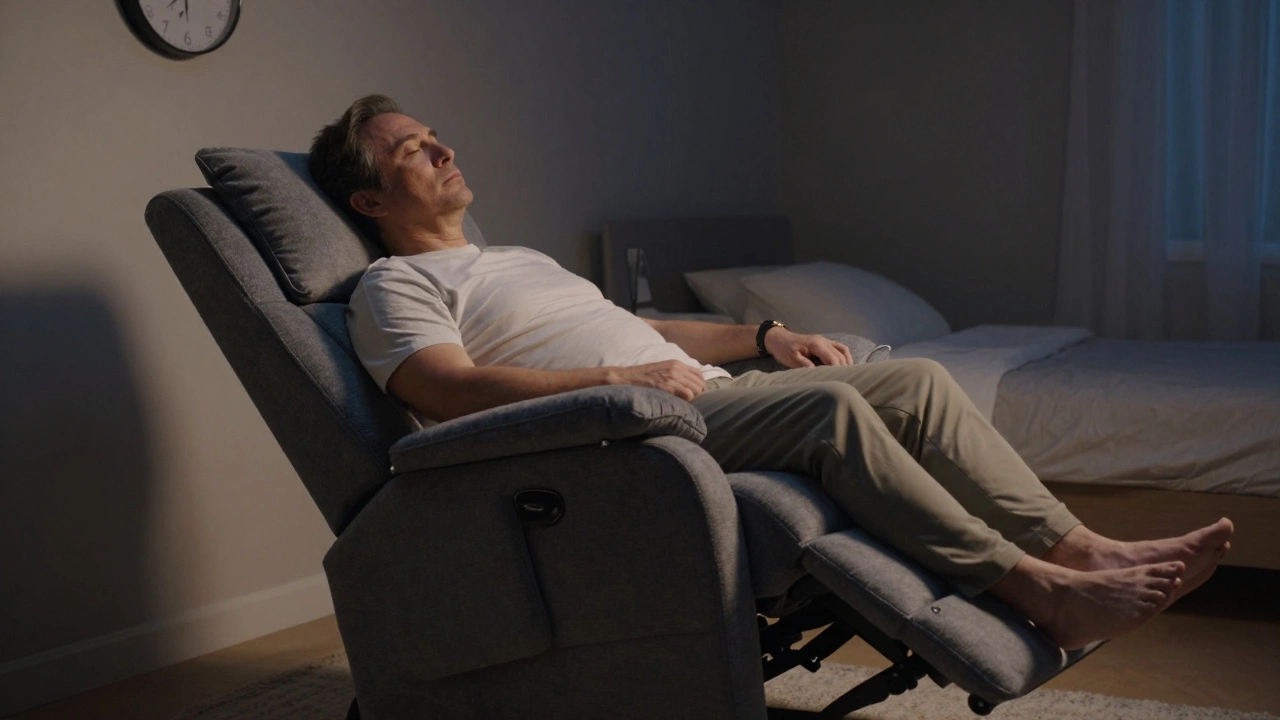
When you sink into a recliner chair, a type of seating designed to support the body in a tilted-back position, often with footrest extension. Also known as lazy boy, it’s meant for comfort—but not all comfort is good for your body. Many people assume recliners are safe for long sits, especially if they have back pain. But research and real-world use show that how you use a recliner matters more than the chair itself. Poor posture, prolonged sitting, and lack of lumbar support can turn what feels like relief into a slow-moving injury.
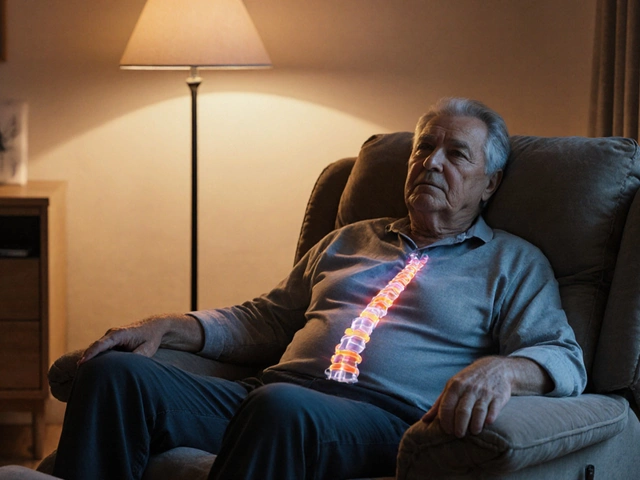
The biggest concern with recliner chairs, furniture designed to recline and support the lower back and legs is their effect on spinal health, the condition and alignment of the spine, which affects movement, pain levels, and nerve function. Sitting too far back in a recliner forces your spine into a C-curve, flattening the natural arch in your lower back. Over time, this strains the discs and ligaments, which can worsen conditions like degenerative disc disease, a condition where spinal discs lose cushioning and cause chronic pain. A 2023 study in the Journal of Orthopedic Rehabilitation found that people who sat in recliners for more than 4 hours a day without changing position had a 68% higher chance of developing chronic lower back pain compared to those who used adjustable office chairs.
It’s not just the spine. posture, the alignment of your body while sitting, standing, or moving in a recliner can mess with your hips, knees, and even circulation. If your feet dangle or your knees are higher than your hips, pressure builds in your joints. Some seniors use recliners to manage pain, but without proper leg support, they risk swelling or blood clots. And if you nap in one for hours, your neck might twist awkwardly—leading to headaches or stiff muscles by morning.
Not all recliners are bad. A well-designed one with adjustable lumbar support, footrest height, and tilt control can actually help. But most off-the-shelf models? They’re built for looks, not long-term health. The key is movement. No chair, no matter how fancy, should replace standing up, stretching, or shifting position every 20 to 30 minutes. If you rely on your recliner to relax, make sure you’re not locking yourself into one bad position.
What you’ll find below are real, tested insights from people who’ve dealt with back pain, seniors who’ve found safer ways to recline, and experts who’ve studied how furniture affects the body. You’ll learn what to avoid, what to look for, and how to sit without hurting yourself. No fluff. Just what works—and what doesn’t.