Living Room Layout & Feng Shui Simulator
Configuration Controls
Layout Preview
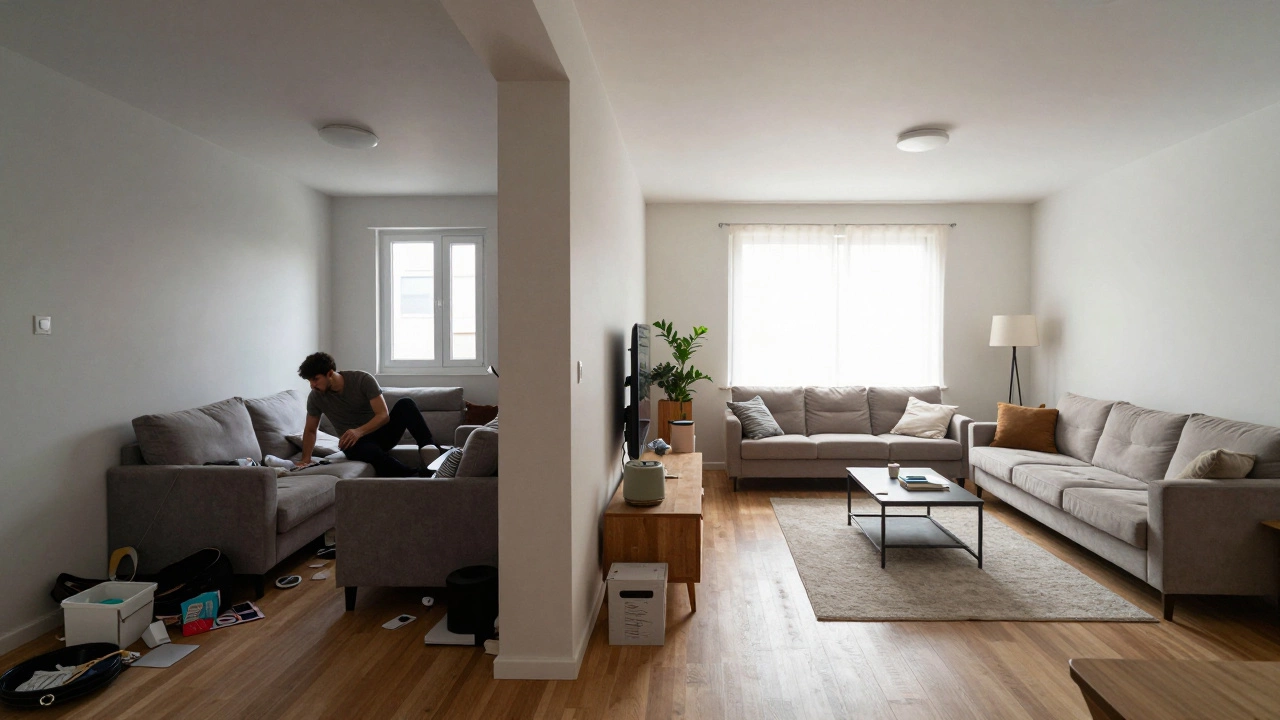
You walk into your living room, and the first thing you see is the back of a bulky sectional. It feels like hitting a wall before you’ve even taken off your coat. Now imagine walking in and seeing an inviting seating area that welcomes you into the space. The position of your sofa is the anchor of your living room layout isn't just about aesthetics; it dictates how people move, talk, and feel in your home.
The question "should your sofa face the front door?" comes up constantly in interior design circles. Some swear by the command position from Feng Shui. Others argue for practical sightlines or TV viewing angles. There is no single rule that applies to every house, but there are clear principles that help you decide what works for your specific space.
The Psychology of the Command Position
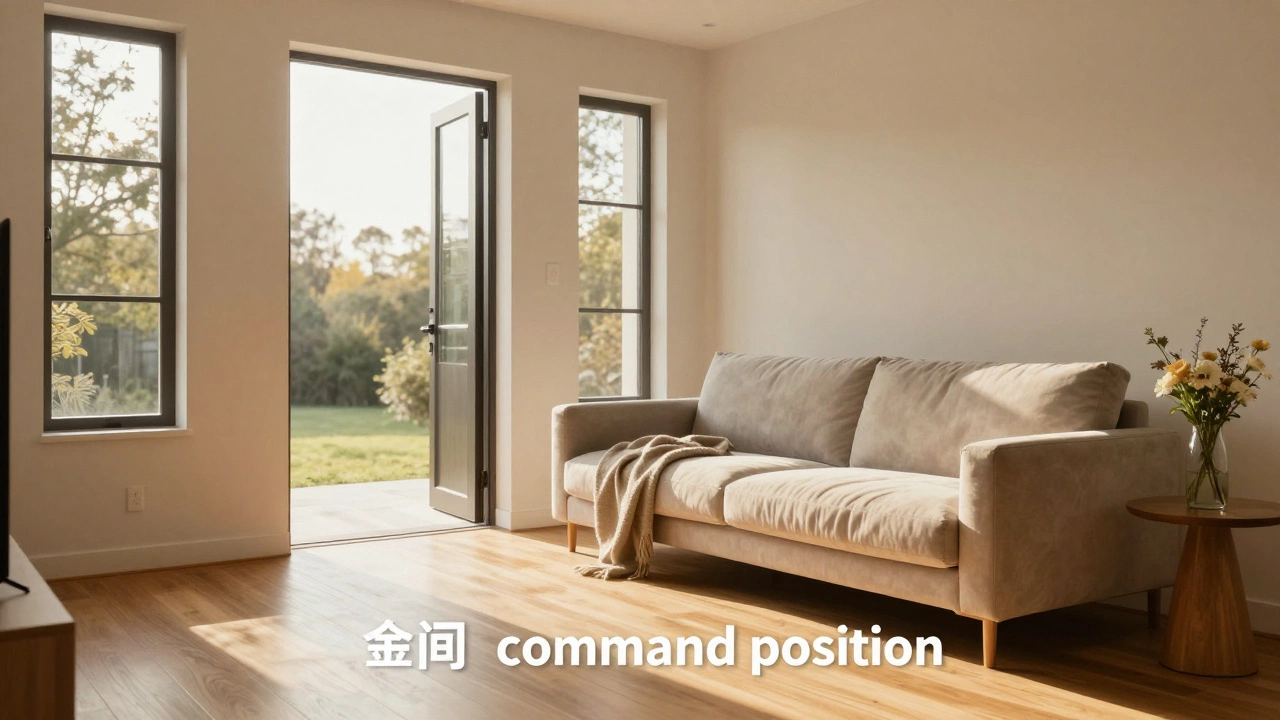
In traditional Chinese philosophy, specifically Feng Shui is a system of harmonizing individuals with their surrounding environment, the concept of the "command position" is central. This principle suggests that furniture, especially beds and sofas, should be placed diagonally opposite the door, but not directly in line with it.
Why does this matter? When you sit on a sofa that faces the door (but isn't directly aligned with it), you can see who is entering without being right in the path of the draft or the noise. Historically, this was about safety-being able to spot threats. Today, it’s about psychological comfort. You feel more secure when you have a view of the entrance. It reduces the subconscious anxiety of not knowing when someone will walk in.
If your sofa is pushed against the wall behind the door, you’re in a "chaos position." You’re exposed to foot traffic and drafts. If it’s directly in line with the door, you’re in the "coffin position," which is considered unlucky because it aligns with the flow of energy exiting the room. The sweet spot is diagonal. You see the door, but you aren’t directly in its path.
Practical Sightlines and Social Dynamics
Let’s step away from ancient philosophy for a moment and look at human behavior. Living rooms are social hubs. We use them to greet guests, watch television, and relax after work. How your sofa sits relative to the front door affects all three activities.
Consider the greeting scenario. If your sofa blocks the view of the entryway, guests might hesitate to enter the main living area. They may feel like they are intruding on a private zone. By positioning the sofa so it faces toward the center of the room or slightly toward the door, you create an open invitation. It signals that the space is shared and accessible.
However, don’t take "facing the door" too literally. You don’t want your sofa acting as a barricade. Imagine a narrow hallway leading into the living room. If you place a large sofa perpendicular to that hallway, blocking the path, you create a bottleneck. People will have to step around it to get to the kitchen or other rooms. That’s bad flow. Good design allows movement. The sofa should define a space, not obstruct it.
The TV Factor: Competing Priorities
Here is where most people get stuck. In modern homes, the television is the primary focal point for entertainment often dictates sofa placement. If your TV is mounted on the wall opposite the front door, and you put your sofa facing the door, you’re watching TV over your shoulder. That’s uncomfortable and ruins the viewing experience.
You have to make a trade-off. Ask yourself: Is this room primarily for socializing or for media consumption?
- Social-First Rooms: If you host dinner parties or love chatting with family, prioritize the conversation circle. Place the sofa facing inward, perhaps angled slightly toward the door if possible. Use side tables and chairs to create a U-shape or L-shape that encourages eye contact.
- Media-First Rooms: If you binge-watch shows daily, the TV wins. Place the sofa facing the screen. To mitigate the lack of connection to the door, ensure there’s a clear line of sight to the entryway from the seated position, even if it’s peripheral. Mirrors can also help reflect the door, giving you visual awareness without turning your head.
A compromise is the "L-shaped" arrangement. Use a sectional sofa is a modular seating unit consisting of multiple sections where one part faces the TV and the other part faces the room or the door. This way, you satisfy both needs. You can watch Netflix while still keeping an eye on who’s coming down the hall.
Navigating Small Spaces and Odd Shapes
Not everyone lives in a spacious bungalow with a wide-open plan. Many of us deal with small apartments, long corridors, or awkward alcoves. In these cases, rigid rules go out the window.
If your living room is small, pushing the sofa against the wall might seem like the obvious choice to save floor space. But this often makes the room feel smaller because it eliminates depth. Try floating the sofa. Pull it 12 inches away from the wall. This creates a sense of airiness and allows light to flow behind it. Even in a small room, a floating sofa can face the general direction of the door without blocking anything.
For long, narrow rooms, avoid placing the sofa parallel to the long walls if it cuts the room in half. Instead, try angling the sofa. A slight angle breaks up the boxy shape of the room and can direct attention toward the door or a window. Just measure carefully. You need at least 30 inches of walking space between the sofa arm and any nearby furniture or walls.
Lighting and Natural Elements
Another factor that competes with the front door is natural light. Windows are powerful anchors. If you have a beautiful garden view, you might prefer your sofa facing the window rather than the door. This connects you to the outdoors.
However, be careful with glare. If the sun hits your TV screen, facing the window becomes problematic. Also, consider privacy. If your neighbors can see into your living room through the windows, you might prefer turning your back to them and facing inward toward the door. This creates a cozy, enclosed feeling, like a nest.
Balance is key. If you face the window, ensure the lighting is soft. Use sheer curtains to diffuse harsh sunlight. If you face the door, bring in plants or art to soften the view of the entryway, which can sometimes feel stark or transitional.
| Placement Type | Pros | Cons | Best For |
|---|---|---|---|
| Facing Diagonally (Command) | Psychological security, good flow | May limit TV viewing angles | Open-plan living, social spaces |
| Facing TV (Media-Centric) | Optimal viewing experience | Poor connection to entryway | Family rooms, media dens |
| Against Wall (Space-Saver) | Maximizes floor space | Can feel cramped, poor acoustics | Very small apartments |
| Floating (Centered) | Creates zones, improves airflow | Requires larger room size | Large living rooms, formal settings |
Common Mistakes to Avoid
Even with the best intentions, it’s easy to mess up the layout. Here are the pitfalls I see most often.
The Highway Effect: Placing the sofa directly in the path of high-traffic areas. If people constantly walk behind your sofa to get to the kitchen, you’ll never relax. The constant brushing against your back is annoying. Create a buffer zone. Use a console table behind the sofa to define the boundary.
The Island Trap: Floating a sofa in the middle of a small room without enough clearance. If you can’t comfortably walk around it, it’s not an island; it’s an obstacle. Ensure you have at least 3 feet of walking space on all sides if it’s truly free-standing.
Ignoring the Focal Point: Every room needs a reason for existing. Is it the fireplace? The TV? The view? The door? Pick one. If you try to make the sofa face everything equally, it ends up facing nothing effectively. Choose the primary function and let secondary elements adapt.
Testing Your Layout Before Committing
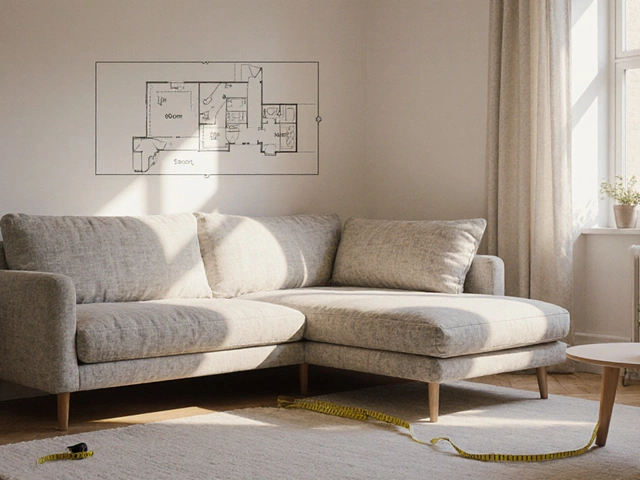
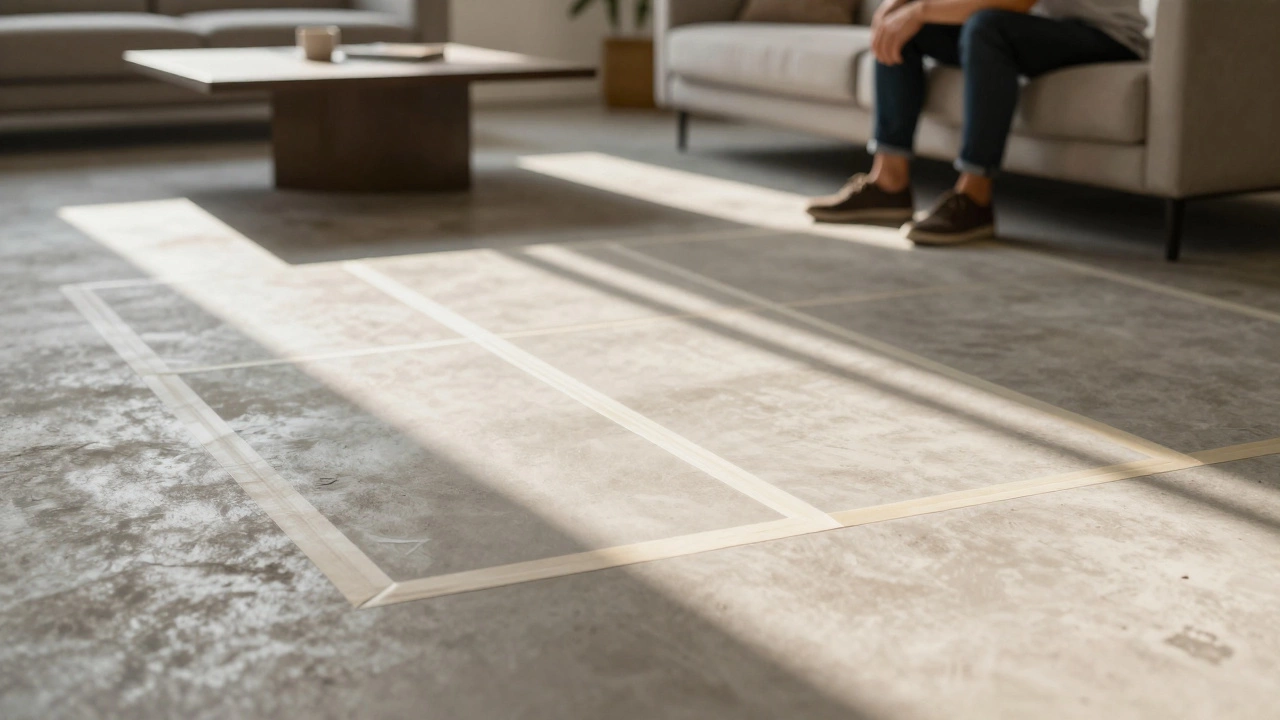
You don’t need to hire a designer to figure this out. You can test layouts using painter’s tape. Mark the outline of your sofa on the floor. Sit in it. Walk from the front door. Does it feel welcoming? Can you see the TV? Can you reach the coffee table without stretching?
Move the tape. Try diagonal. Try facing the window. Try facing the door. Live with the taped outline for a day. Notice how you move. Notice where you stumble. This physical feedback is invaluable. It tells you more than any magazine spread ever could.
Remember, your home is for you. If facing the door makes you feel safe and connected, do it. If facing the TV makes you happy, do that. The rules are guidelines, not laws. The goal is a space that feels right when you walk in.
Is it bad Feng Shui to have your sofa facing the front door?
It depends on the alignment. Directly in line with the door is considered bad (the "coffin position"). However, facing the door diagonally is excellent (the "command position") as it allows you to see entrants while maintaining security. The key is avoiding direct alignment with the door frame.
How much space should be between the sofa and the wall?
If the sofa is against the wall, leave at least 4-6 inches to prevent damage and allow for cleaning. If you are floating the sofa, leave at least 12-18 inches to create a sense of depth and allow light to pass behind it. For walking paths, ensure 30-36 inches of clearance.
What if my TV is on the same wall as the front door?
This is a common challenge. You can angle your sofa slightly toward the TV while keeping the other end open to the room. Alternatively, use a mirror on the adjacent wall to reflect the TV image, allowing you to sit facing the door while still watching. Another option is to mount the TV on a swivel arm.
Should the sofa face the fireplace or the door?
Traditionally, the fireplace is the strongest focal point. If you have a working fireplace, facing it creates a cozy, social atmosphere. If the fireplace is decorative, consider the door or TV as the primary focus. In open plans, you might arrange seating in a semi-circle to address both.
Can I place my sofa with its back to the front door?
Generally, no. Having your back to the entryway creates a sense of vulnerability and disconnects you from guests entering the room. It also disrupts the flow of conversation. If space forces this layout, use a low console table behind the sofa to create a visual barrier and define the zone.