Modular Sofa Guide & Inspiration
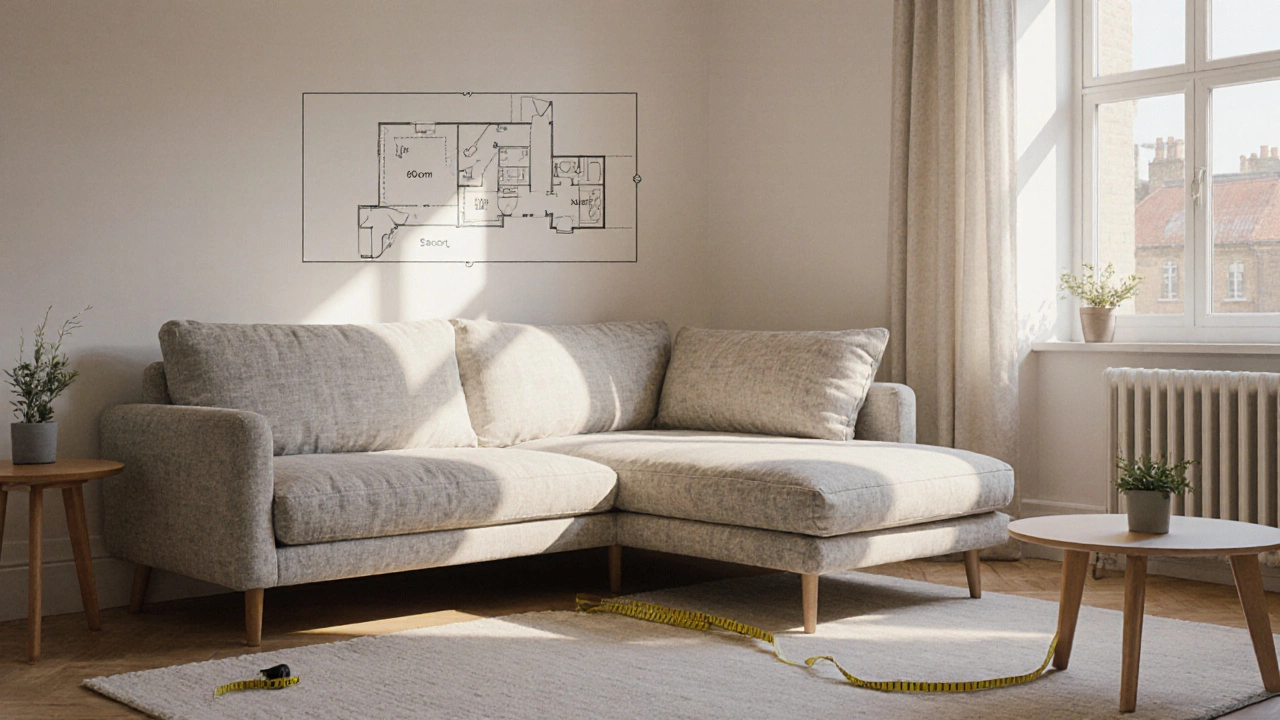
When working with modular sofa, a seating system made of interchangeable sections that you can rearrange to fit any space. Also known as sectional sofa, it lets you adapt your living area on the fly. In the same family, a sofa, the broader category of upholstered seating provides the comfort base, while modular furniture, pieces designed to be combined in countless configurations expands that flexibility beyond seating. Finally, living room layout, the arrangement of furniture and flow of movement in your main social space determines how well a modular sofa can shine. Together they create a dynamic, personalized setup that grows with your lifestyle.
Why Choose a Modular Sofa?
Modular sofas encompass flexible seating configurations, meaning you can go from a compact two‑piece lounge to a sprawling family‑size arrangement in minutes. The key attribute is modularity: each section – a chaise, a corner piece, a standard seat – connects via hidden hardware, allowing you to add or remove parts as needs change. This adaptability translates into real‑world benefits: you can host a movie night, then break the sofa down for a dance party or a quiet reading corner. The flexibility also future‑proofs your space; if you move to a smaller flat, you simply re‑configure or keep only the sections you need.
Material choice plays a big role in how a modular sofa performs over time. Upholstery materials such as high‑grade microfiber, performance velvet, or leather‑look polyester each bring distinct traits. Durability, stain resistance, and breathability are key attributes, with values like 5‑year warranty for heavy‑duty fabrics or easy‑clean coatings for families with kids. Selecting the right material ensures the sofa holds up to daily use while maintaining the look you love.
Colour trends in 2025 push modular sofas toward deeper, nature‑inspired hues. Think forest green, muted clay, and soft navy paired with warm neutrals. These colours not only match the growing demand for sustainable interiors but also hide minor wear better than stark whites. Pairing a bold colour section with a lighter one creates visual interest and lets you play with accent pieces without committing to a single shade.
Placement mistakes can ruin even the most stylish modular sofa. Avoid putting the sofa directly under a window where glare can fade fabrics, and steer clear of high‑traffic zones that increase wear. Instead, position the sofa where it anchors the room’s focal point – often opposite a media wall or on a rug that defines the conversation area. Good living room layout respects traffic flow, leaving clear pathways around each module.
When it comes to buying, brand reputation matters. Top‑quality sofa brands invest in robust frame construction, reinforced joints, and premium cushioning that keep the modular system stable after repeated reconfiguration. Look for brands offering modular warranty coverage, as it signals confidence in the durability of the connectors and upholstery.
Health considerations are another piece of the puzzle. While sofa beds can strain the back if the mattress is too soft, modular sofas typically use firmer cushions that support proper spinal alignment. If you need a sleeping option, choose a module with a solid mattress insert rather than a fold‑out mechanism, reducing the risk of back pain during nightly use.
Below you’ll find a curated collection of articles that dive deeper into each of these topics – from colour inspiration and brand reviews to practical placement guides and material comparisons. Use these resources to plan, purchase, and enjoy a modular sofa that truly fits your home and lifestyle.