Long-Term Storage: Protecting Your Furniture for Years
When planning Long-Term Storage, the practice of keeping items safe over extended periods while maintaining their condition. Also known as extended storage, it is essential for homeowners, collectors, and businesses who need to preserve valuable pieces.
One of the biggest challenges is handling Wood Furniture, solid or veneer pieces that react to moisture, temperature swings, and air flow. Without proper care, wood can warp, crack, or develop mold. That’s why many turn to a Storage Unit, a rented space that can be climate‑controlled or basic, depending on budget and need. A climate‑controlled option offers steady temperature and humidity, reducing the risk of warping, while a basic unit may be cheaper but requires extra precautions.
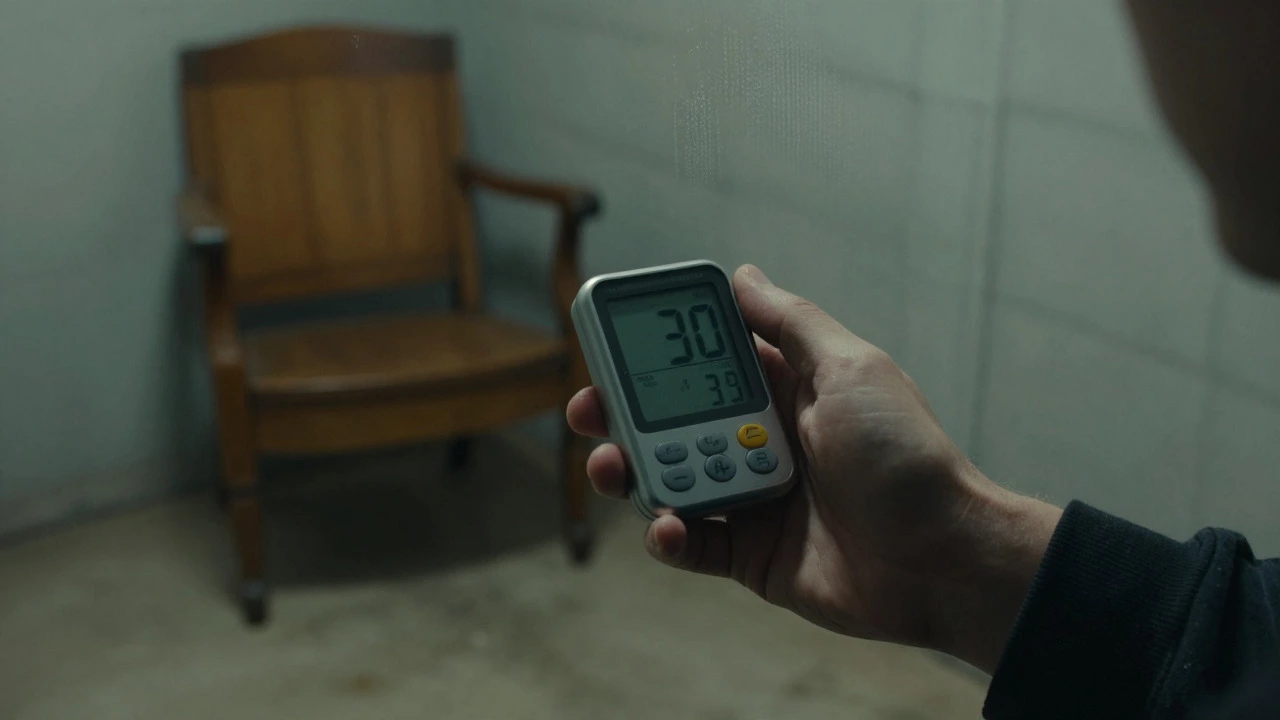
Storing furniture in an Unheated Garage, an outdoor space without temperature regulation, presents its own set of hazards. Cold winters and hot summers create condensation that seeps into wood, accelerating decay. For those who must use a garage, wrapping items in breathable covers, elevating pieces off the floor, and using desiccants can mitigate damage. Conversely, a Climate Controlled Storage, a facility that keeps humidity around 45‑55% and temperature between 65‑75°F eliminates most of those variables, making it the gold standard for preserving high‑value items.
Key Factors for Successful Long-Term Storage
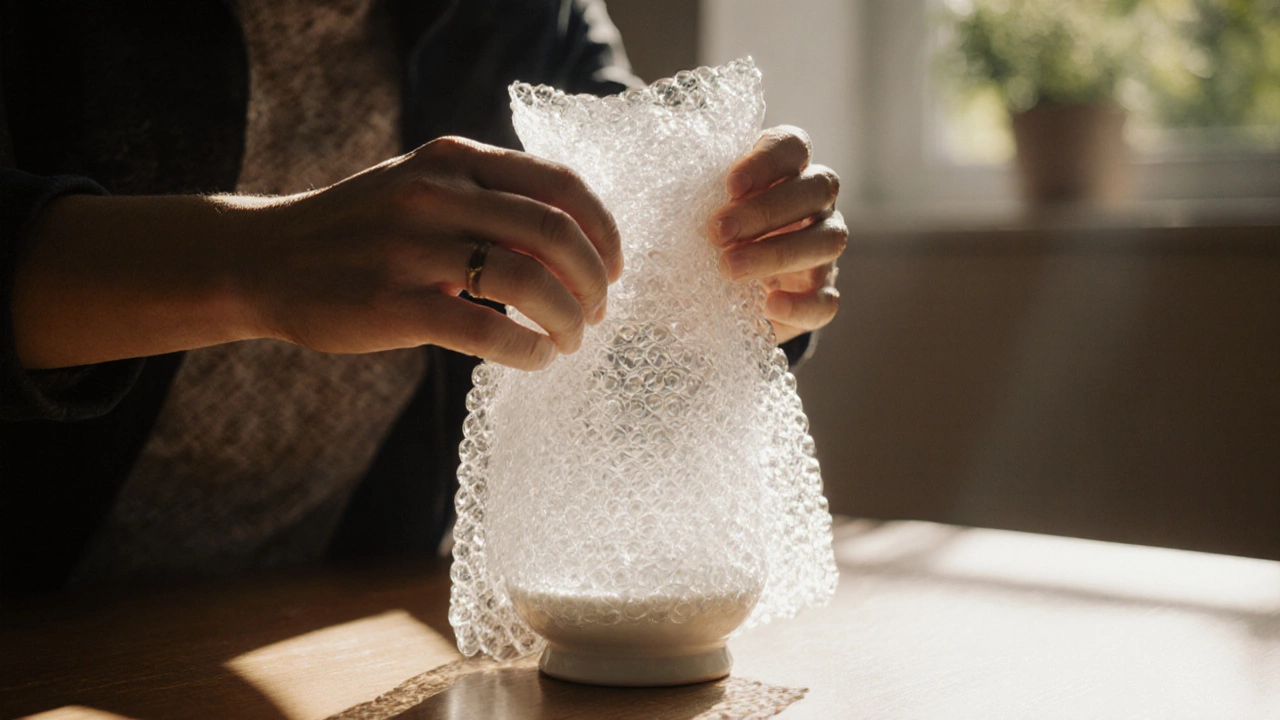
First, assess the material of each piece. Solid hardwood tolerates temperature changes better than softer woods, but both benefit from stable humidity. Second, choose the right packing method: avoid plastic bags that trap moisture, opt for cotton sheets or pillow‑case covers that breathe. Third, consider the environment. If you use a storage unit, ask whether it offers climate control; if not, invest in a portable dehumidifier. Fourth, position furniture away from walls and floors; airflow reduces condensation build‑up. Fifth, inspect items periodically – a quick check each season catches early signs of warping or mold before they spread.
By understanding how long-term storage works, you can match each piece with the ideal protecting environment. Whether you’re moving across the country, decluttering for renovation, or archiving a family heirloom, the right combination of material knowledge, packing technique, and storage choice keeps furniture looking fresh for years. Below you’ll find a curated set of articles that dive deeper into specific scenarios – from safeguarding recliners for seniors to preventing wood damage in unheated garages – giving you practical steps you can apply right away.