Coffee Table Placement Advisor
Does a coffee table need to be centered? Not always. Use this tool to find the best placement for your specific setup.
Recommendation
Ideal Distance from Sofa
Table height should match or sit slightly below sofa cushions (approx. 16-18 inches).
Visual Guide
Gray = Sofa, Blue = Coffee Table
You’re staring at your living room, coffee table in hand (or just mentally placing it), and wondering: does a coffee table need to be centered on the couch? It’s one of those questions that pops up when you’re trying to make a space feel balanced without looking like a showroom catalog. The short answer? No, not always. But the real answer depends on your room’s shape, how you use the space, and whether you want symmetry or something more relaxed.
I’ve rearranged enough living rooms in Leeds flats and suburban homes to know that rigid rules often break down in real life. A perfectly centered table might look great in a photo but feel awkward when you’re trying to stretch out after work. Let’s figure out what actually works for your setup, not just what looks right on Pinterest.
The Classic Rule: Why Centering Exists
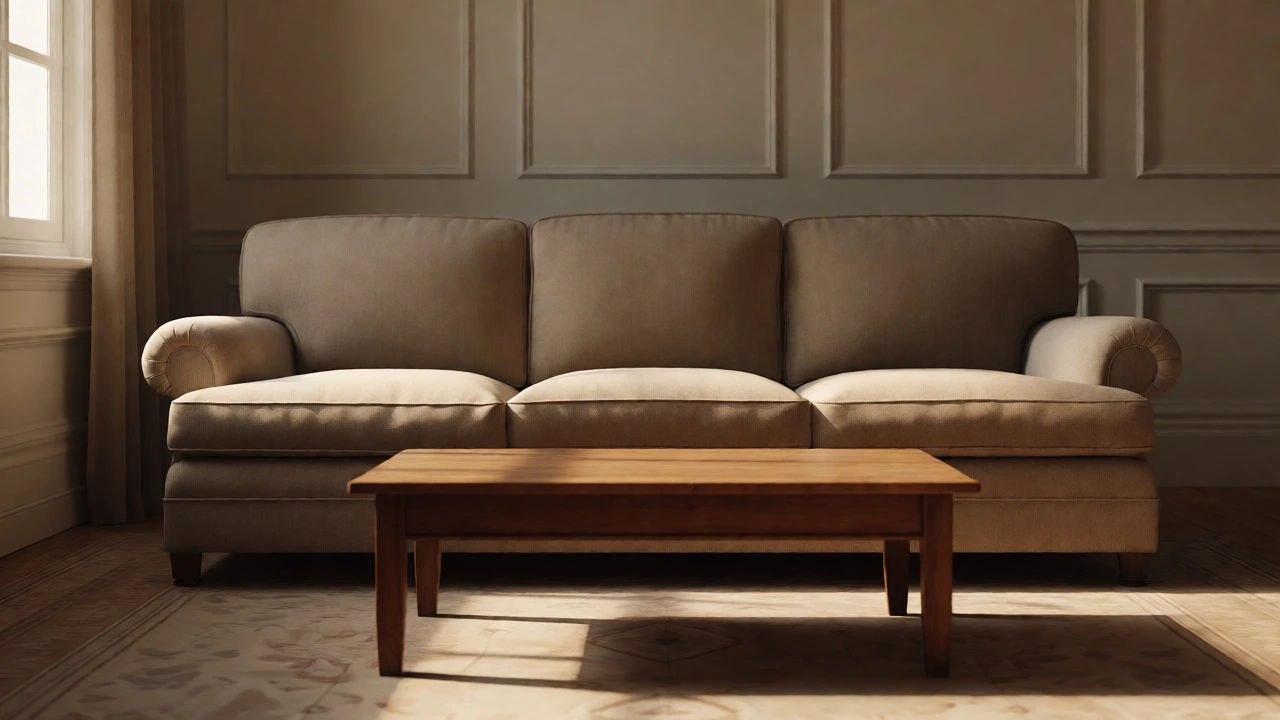
Centering a coffee table is a low table placed in front of a sofa, typically used for holding drinks, books, or decorative items comes from traditional interior design principles that value symmetry. Think formal dining rooms or classic British parlours where everything lines up neatly. When the table sits directly in the middle of a three-seater sofa, it creates visual balance. Your eye moves evenly across the scene, and nothing feels lopsided.
This approach works best when:
- Your sofa is against a wall with equal space on both sides.
- You have a rectangular room with clear sightlines.
- You prefer a formal, orderly aesthetic.
But here’s the catch: most modern living rooms aren’t built for this kind of precision. Open-plan spaces, angled walls, and sectional sofas throw off the math. Forcing centering can create dead zones or make the table feel disconnected from where people actually sit.
When Off-Center Placement Works Better
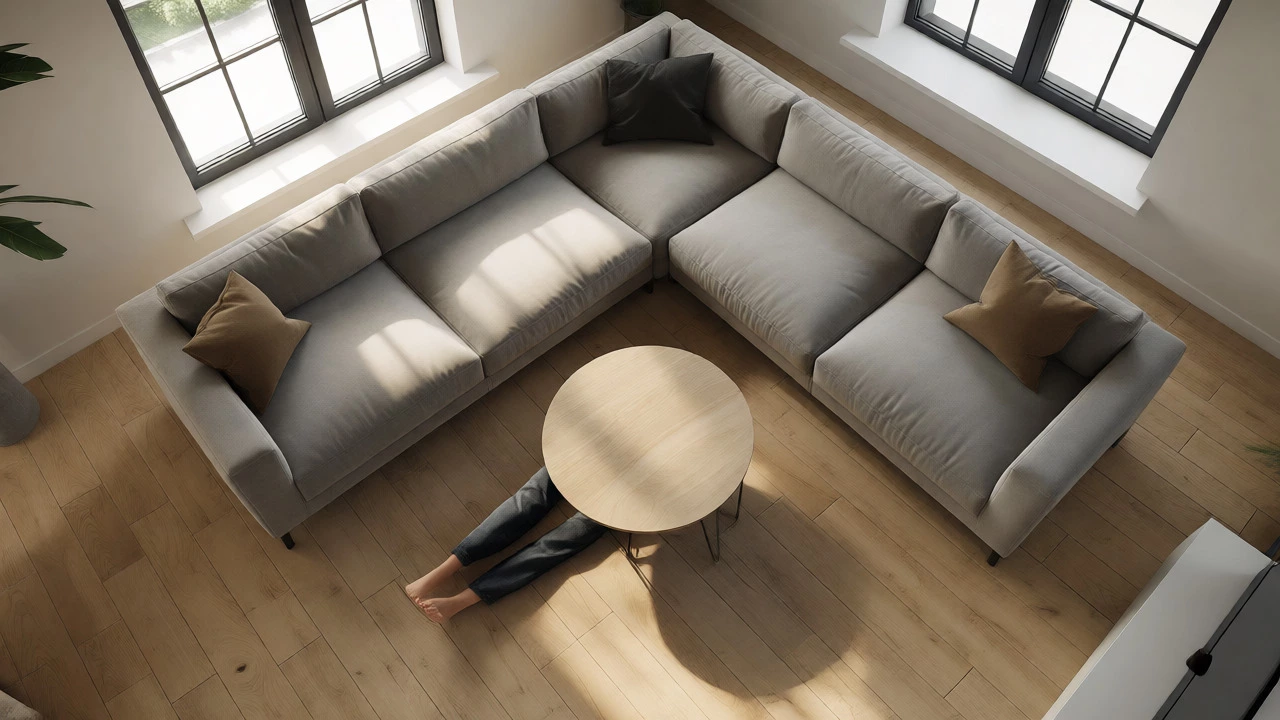
If you’ve ever sat on a sectional and reached for your mug only to find the table too far away, you already know why off-center placement makes sense. Sectional sofas, L-shaped configurations, and asymmetric layouts benefit from shifting the table toward the main seating area rather than splitting the difference.
Consider these scenarios:
- L-shaped sectionals: Place the table near the corner where two sections meet, so everyone within arm’s reach has access.
- Facing chairs: If you have two armchairs opposite a sofa, center the table between all three seats instead of just the sofa.
- Narrow rooms: Pushing the table slightly left or right can open up walking paths and prevent tripping hazards.
In my own flat, I moved my round coffee table off-center because my sofa faces a bay window. Centering it blocked the view and made the room feel cramped. Shifting it 18 inches to the right improved flow dramatically. Nobody noticed the asymmetry-they just said the room felt “easier” to move around.
Measuring for Comfort and Function
Forget perfection; focus on usability. The National Association of Home Builders recommends keeping coffee tables between 14 and 18 inches from the edge of your sofa for comfortable legroom and easy reach. Too close, and you’ll bump knees. Too far, and you’ll lean forward like you’re doing sit-ups.
| Sofa Configuration | Recommended Distance from Sofa | Placement Tip |
|---|---|---|
| Standard 3-Seater | 16-18 inches | Center if symmetrical; offset if room is narrow |
| L-Shaped Sectional | 14-16 inches from nearest seat | Align with inner corner, not outer edges |
| Two Facing Sofas | Equal distance from both | Center between sofas, not under TV |
| Small Apartment | 12-14 inches | Use nested tables or ottoman for flexibility |
Height matters too. Your table should match or sit slightly below your sofa cushions-usually 16 to 18 inches tall. If it’s higher, it blocks sightlines. Lower, and it becomes hard to grab things without stooping.
Shape Matters More Than Position
Here’s something nobody tells you upfront: the shape of your coffee table affects placement more than centering does. A square table demands symmetry. A round or oval one forgives mistakes.
Round tables are forgiving because they don’t have corners pointing at people. You can nudge them a few inches off-center, and no one notices. Rectangular tables, especially long ones, look weird if skewed. They visually anchor the room, so misalignment feels intentional-or worse, accidental.
If you’re renting or still figuring out your layout, start with a round or oval table. Brands like IKEA and Dunelm offer affordable options that adapt to changing arrangements. Once you settle into a permanent setup, you can switch to a rectangular piece if you want that structured look.
Beyond the Sofa: What Else Should Influence Placement?
Your coffee table doesn’t exist in a vacuum. It shares space with TVs, lamps, rugs, and foot traffic. Ignoring these elements leads to frustration later.
Ask yourself:
- Where’s the TV? If your table blocks the screen when viewed from certain angles, shift it sideways.
- Is there a rug? At least two legs of the table should sit on the rug to keep it visually connected to the seating area. Floating tables look unanchored.
- Do you walk through frequently? Leave at least 30 inches of clearance between the table and any high-traffic path. Otherwise, you’ll spend your evening dodging elbows.
In smaller UK homes, multi-functional pieces help. An ottoman with storage doubles as a footrest and surface. Nesting tables let you pull one closer when guests arrive and tuck it back when you’re alone. Flexibility beats rigidity every time.
Style Choices That Break the Rules Intentionally
Some designers deliberately place coffee tables off-center to create tension or highlight another feature. Maybe you have a striking floor lamp beside the sofa. Moving the table away gives that lamp breathing room. Or perhaps your bookshelf collection deserves attention-offsetting the table draws the eye toward it.
This isn’t about being messy. It’s about guiding attention. Asymmetry can feel dynamic and lived-in, which many people prefer over sterile perfection. Just ensure the imbalance feels deliberate, not lazy. Pair an off-center table with a side table on the opposite end to restore visual weight.
Practical Checklist Before You Finalize Placement
Before you commit, run through this quick test:
- Sit on your sofa. Can you reach the table without leaning forward excessively?
- Walk around the table. Do you brush against it constantly?
- Stand at the doorway. Does the table block your view of key features (window, art, fireplace)?
- Place a drink on it. Is it stable? Will kids or pets knock it over easily?
If you fail any of these, adjust. There’s no shame in moving furniture three times before settling. In fact, that’s how good layouts happen.
Frequently Asked Questions
Should my coffee table match my sofa length?
Not exactly, but proportion matters. Aim for a table that’s roughly two-thirds the length of your sofa. If your sofa is 84 inches wide, look for a table around 56 inches long. This leaves visible sofa arms on either side, preventing the table from overwhelming the seating area.
Can I use two coffee tables instead of one?
Yes, especially in large rooms or with sectionals. Two smaller tables give you flexibility-you can push them together for game nights or separate them for individual use. Just keep their heights consistent to avoid visual clutter.
What if my room is too small for a standard coffee table?
Opt for slim profiles, glass tops, or nesting sets. Round tables also take up less perceived space. Alternatively, skip the table entirely and use an upholstered ottoman with a tray on top. It serves the same function while doubling as extra seating.
Does the coffee table need to align with the TV stand?
No, and forcing alignment often looks odd. TV stands are usually wider and lower, serving a different visual role. Align your coffee table with the sofa’s seating axis instead. The TV is background infrastructure; the table is part of the conversation zone.
How do I handle a curved sofa?
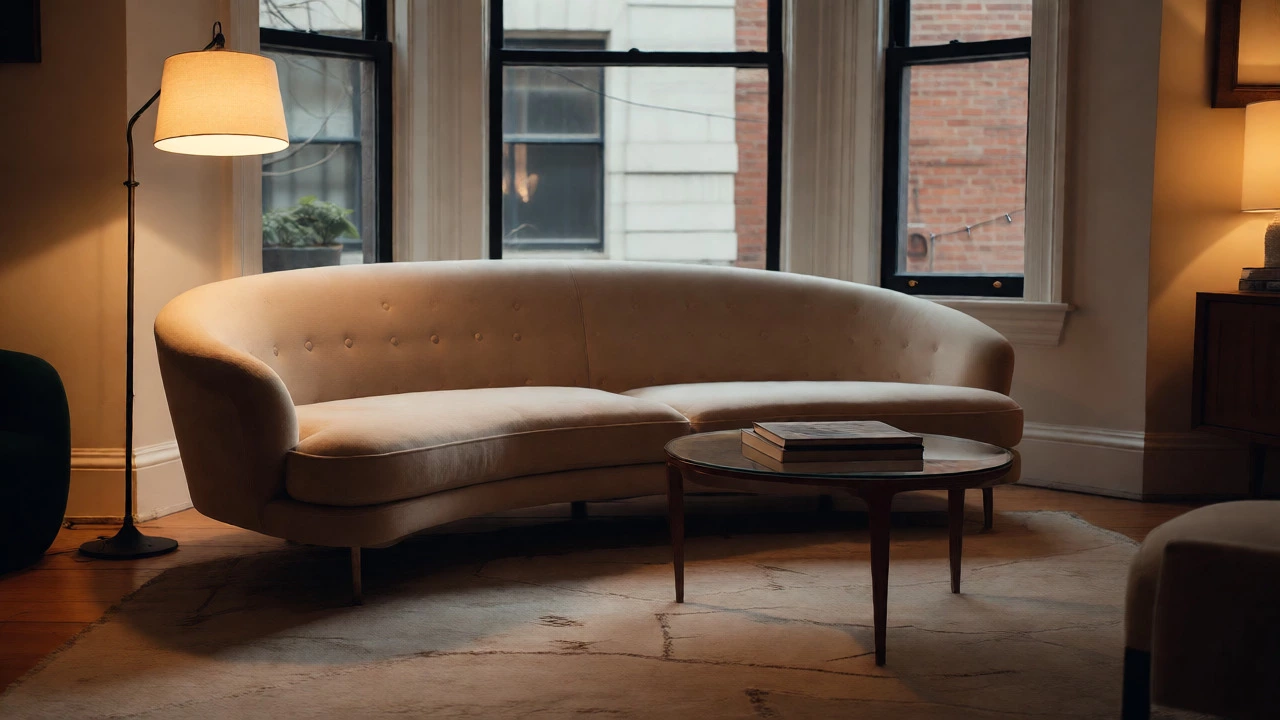
Curved sofas pair well with round or oval coffee tables. Place the table slightly forward of the curve’s midpoint so users on both ends can reach it. Avoid rectangular tables-they clash with the soft lines and create sharp contrasts that feel jarring.