Bleach Effectiveness: What It Does and How to Get the Best Results
When evaluating bleach effectiveness, the ability of bleach to kill germs, break down stains, and prevent mold growth. Also known as bleach performance, it guides whether you choose a cleaning method for homes or workshops. Understanding this helps you decide between chlorine bleach, a strong, fast‑acting disinfectant that works well on hard, non‑porous surfaces and oxygen bleach, a gentler, color‑safe alternative that relies on peroxide to lift stains. Both affect mold removal, the process of eradicating fungal growth on walls, fabrics, or furniture, but their results differ based on material and exposure time.
One of the core attributes of bleach effectiveness is concentration. A typical household solution uses about 1 part bleach to 10 parts water, which delivers enough chlorine to break down protein‑based stains while staying safe for most tiles and countertops. If you dilute too much, the disinfecting power drops dramatically; too little, and you risk surface damage or lingering odor. Testing a small area first lets you see how the material reacts before committing to the full job.
Contact time is the second key factor. Most microbes need at least 5 minutes of wet contact to be fully inactivated. For stubborn mold on grout, extending the soak to 10–15 minutes can make a noticeable difference. However, prolonged exposure on wood or painted surfaces can cause discoloration, so always rinse and dry after the recommended period.
Temperature also plays a role. Warm water (around 30‑40°C) speeds up the chemical reaction, boosting bleach effectiveness without changing the formula. In colder climates, you might notice slower stain removal, which is why many professional cleaners warm the solution slightly before applying it to bathroom tiles or kitchen sinks.
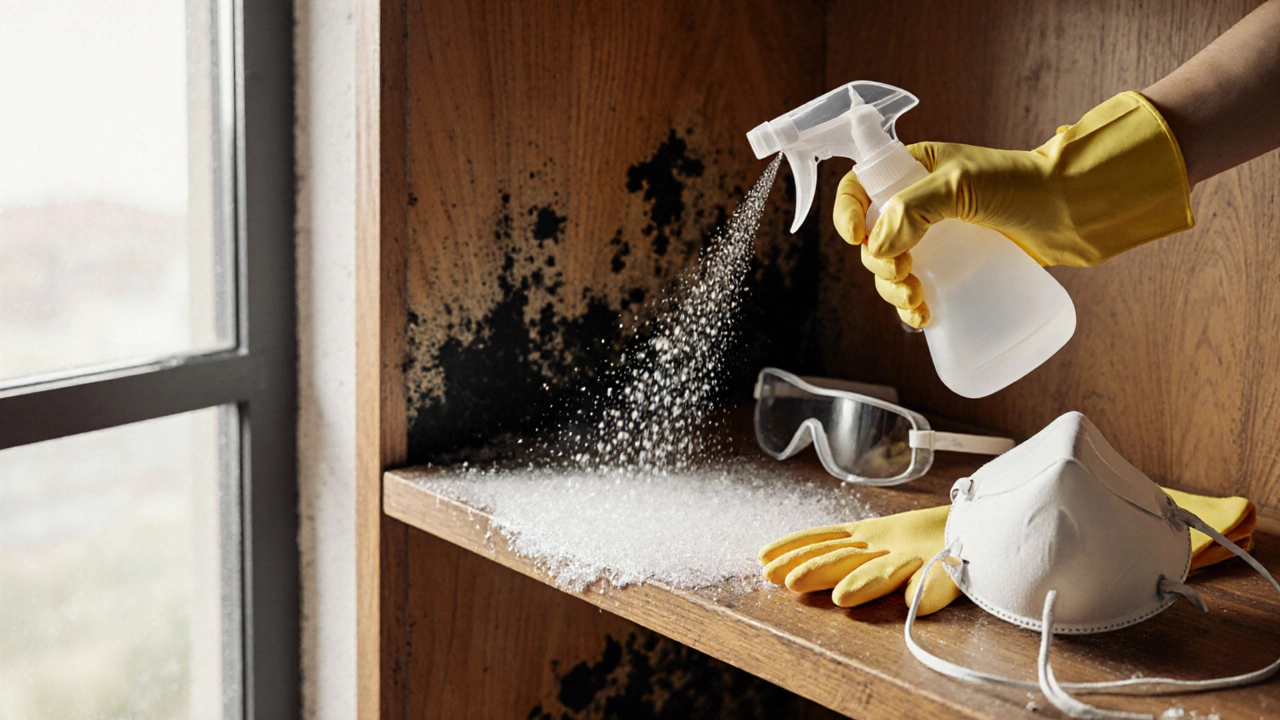
When it comes to material safety, wood furniture is a common concern. Chlorine bleach can strip finish and cause warping if applied directly. In those cases, a diluted oxygen bleach spray is a safer choice because it breaks down into water and oxygen, leaving less residue. For fabric upholstery, spot‑testing with a hidden seam lets you gauge colorfastness before treating larger areas.
Beyond the cleaning power, consider health and environmental impacts. Proper ventilation is essential; inhaling bleach fumes can irritate the lungs. Wearing gloves protects skin, and never mix bleach with ammonia or acidic cleaners, as dangerous gases form instantly. If you prefer a greener route, hydrogen peroxide or UV‑light sanitizers can achieve comparable results on many surfaces without the harsh chemicals.
Practical Tips to Maximize Bleach Effectiveness
Start by gathering the right tools: a spray bottle for even coverage, a soft brush for grout, and a clean cloth for wiping. Apply the solution, let it sit for the recommended time, then rinse thoroughly with water to stop the chemical from continuing to act on the surface. For outdoor projects like patio mold, a pressure washer combined with a bleach‑water mix can reach hard‑to‑clean spots quickly. Remember, the goal is not just to see a shiny surface but to ensure the underlying microbes are truly gone, improving indoor air quality and prolonging the life of your furnishings.
Below you’ll find a curated collection of guides that dive deeper into specific scenarios—whether you’re tackling stubborn bathroom mold, protecting wood furniture in a garage, or choosing the right bleach type for a delicate fabric. Each article expands on the principles outlined here, giving you actionable steps to boost bleach effectiveness in a safe, efficient way.