Back Pain Relief: Choose Furniture That Supports Your Spine
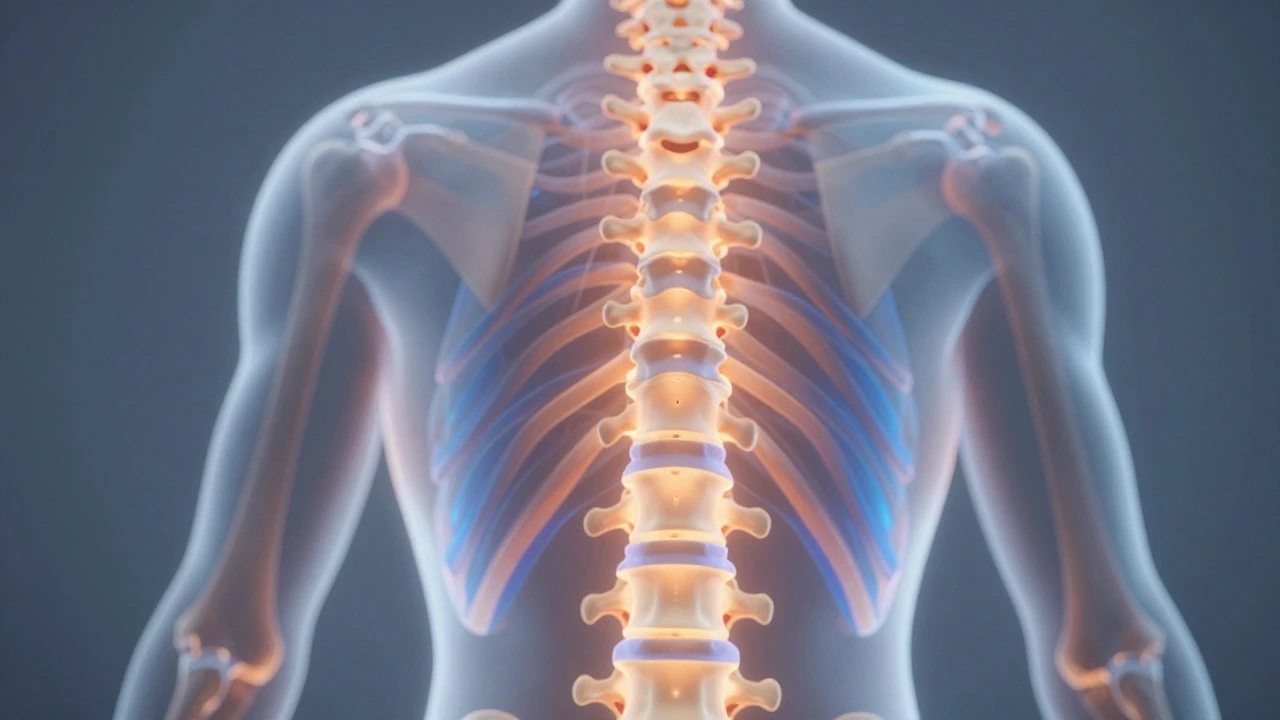
Back pain is one of the most common complaints in the UK, and the furniture you use every day can make it better or worse. If you spend hours at a desk, on a sofa, or moving items in and out of storage, the right pieces can keep your spine happy. Below are practical tips that anyone can apply without spending a fortune.
Ergonomic Office Essentials
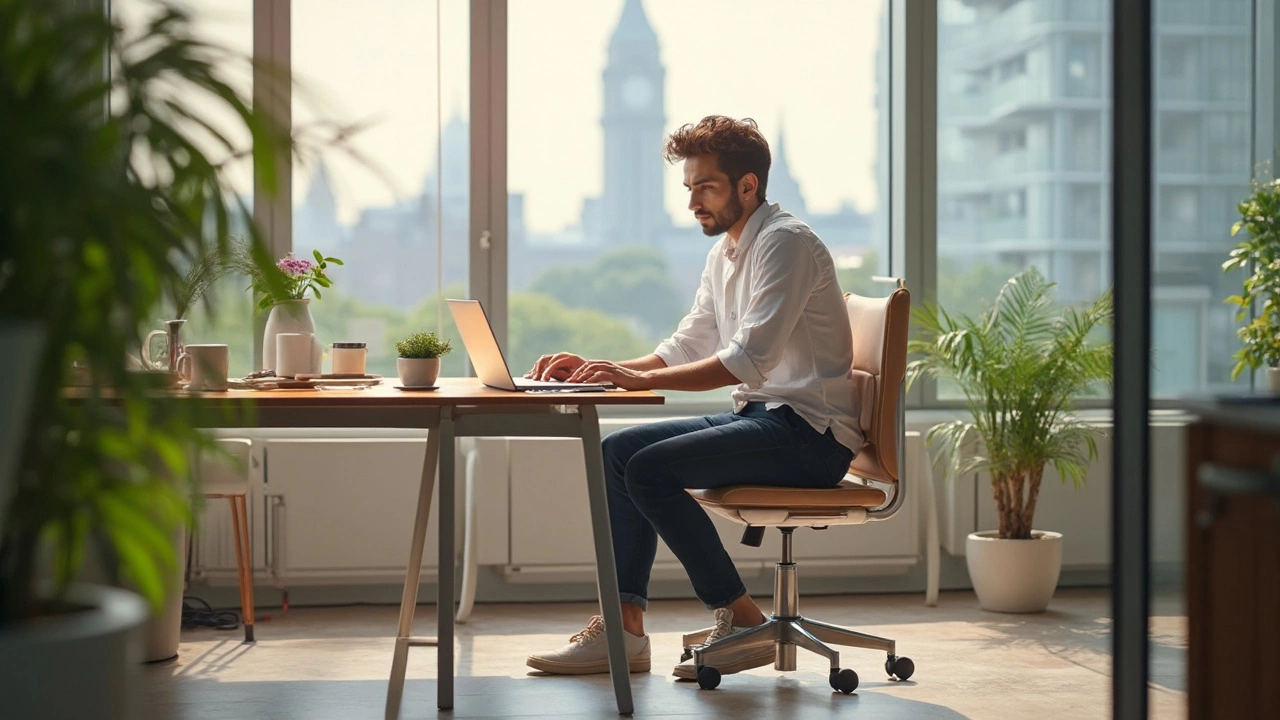
Most people think a cheap office chair will do the job, but a poorly designed seat forces you to slouch, putting pressure on the lower back. Look for a chair with adjustable height, lumbar support, and a seat depth that lets you sit back with your feet flat on the floor. When you sit, your knees should be at a 90‑degree angle and your hips slightly higher than your knees.
Desk height matters too. A desk that’s too high pushes your shoulders up and tightens the neck; too low forces you to hunch over. Aim for a surface that lets your elbows rest comfortably at a 90‑degree angle while typing. If your desk can’t be raised, consider a keyboard tray or a monitor stand to bring the screen to eye level. This reduces the forward tilt that strains the back.
Take movement breaks every 30‑45 minutes. Stand, stretch, or walk around for a minute or two. Simple moves like touching your toes, rolling your shoulders, or doing a quick cat‑cow stretch keep the discs in your spine lubricated and prevent stiffness.
Living Room Choices That Reduce Strain
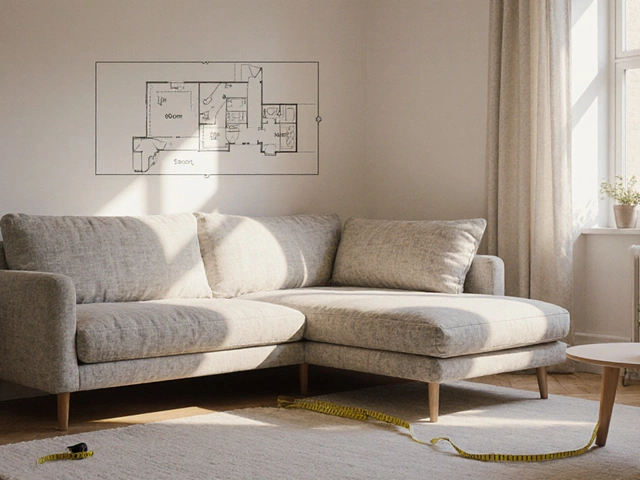
Even when you’re just relaxing, the sofa you choose can affect your back. A couch that’s too deep makes you slide forward, forcing you to lean on your arms or twist your spine. Opt for a seat depth where you can sit with your back against the backrest and still have a few inches of space between the edge of the seat and the back of your knees.
Firm cushions provide better support than ultra‑soft ones that let you sink in. If you love a plush feel, add a supportive lumbar pillow or a rolled‑up towel behind your lower back. This simple trick keeps the natural curve of your spine in place.
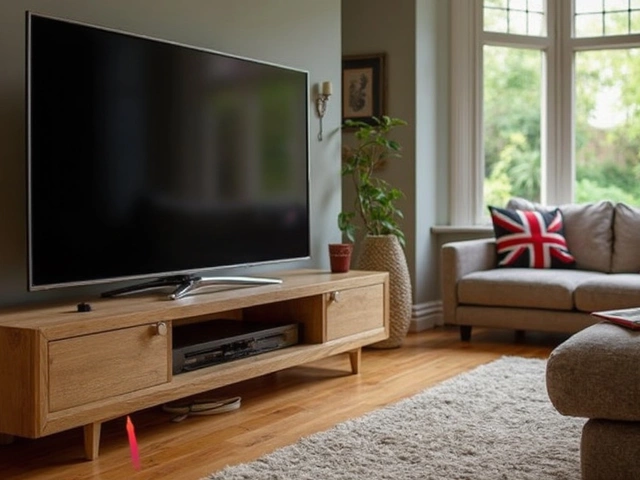
When it comes to storage, avoid shoving heavy boxes onto high shelves. Lifting from a low position puts a lot of stress on the lower back. Use a sturdy, waist‑high storage unit and keep the heaviest items on the bottom shelves. If you need to move furniture, ask for help or use a dolly – the extra effort saves you from a painful strain later.
Finally, don’t overlook lighting. Poor lighting makes you squint and lean forward to see, which adds extra pressure on the back. A well‑lit room encourages you to sit upright and work comfortably.
By paying attention to how chairs, desks, sofas and storage are set up, you can dramatically cut down on back pain. Small adjustments now mean fewer aches later, and you’ll enjoy a home that supports, not hurts, your spine.