🛌 Sofa Bed Health Risk Assessment
What type of mechanism does your sofa bed have?
Let’s be honest: you probably bought that sofa bed for the occasional overnight guest. Maybe it’s a cousin visiting from out of town or a friend who needs a crash pad during a move. But what happens when that "occasional" becomes your nightly routine? Are sofa beds actually bad for your body, or is that just an old wives' tale passed down by chiropractors?
The short answer is: it depends entirely on how you use it and what kind of mechanism you have. A high-quality trundle system can offer decent support for a week, but a flimsy folding frame might leave you waking up with a stiff neck every morning. To figure out if your current setup is hurting you, we need to look at the mechanics of sleep, the specific types of sofa beds, and the red flags that signal it's time to switch.
The Science of Support: Why Your Back Needs More Than Just a Surface
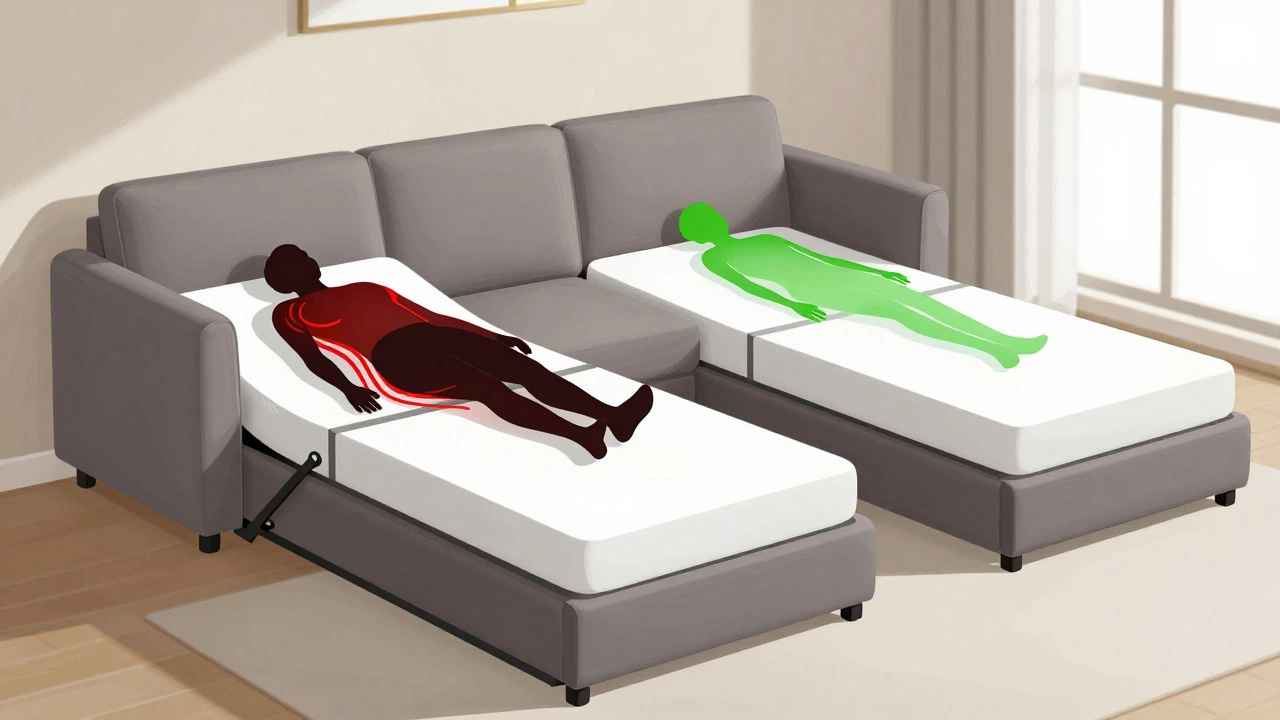
Your spine doesn't care if you're sleeping on a dedicated bed or a piece of living room furniture. It cares about alignment. When you lie down, your spine should maintain its natural curves. If the surface is too soft, your hips sink, tilting your pelvis and straining your lower back. If it's too hard, pressure points build up in your shoulders and hips, cutting off blood flow and causing numbness.
Sofa beds sit in a tricky middle ground. They are generally firmer than standard mattresses because they need to withstand the weight of people sitting on them during the day. This firmness is good for back sleepers who need spinal alignment, but it can be brutal for side sleepers. Side sleepers need their shoulders and hips to sink slightly into the material to keep the spine straight. On a rigid sofa bed, these areas stay elevated, creating a gap under the spine that forces muscles to work overtime just to keep you stable.
There is also the issue of air circulation. Many sofa beds use thin foam layers or even just plywood slats. Without proper airflow, heat builds up, which can disrupt your sleep cycle. Poor sleep quality leads to fatigue, which weakens core muscles, making you more susceptible to injury when you get up. So, the health impact isn't just about the position; it's about the quality of rest you actually get.
Mechanism Matters: Trundles vs. Folding Frames
Not all sofa beds are created equal. The mechanism determines how much space you get and, crucially, how well the mattress supports you. There are two main types you’ll encounter in the market, and understanding the difference is key to protecting your health.
- Folding Mechanisms (Murphy Style): These fold out from within the sofa itself. They often come with a thinner, integrated mattress. The problem here is the seams. Where the mattress folds, there is a ridge. Sleeping across this ridge creates a pressure point that can cause muscle tension in your lower back. Additionally, the total length is often shorter than a standard double bed, forcing you to sleep in a curled-up position if you’re tall.
- Trundle Systems: This is where a separate drawer-like unit slides out from under the sofa. These usually come with a thicker, independent mattress. Because the mattress doesn’t fold, there are no ridges. The support is more consistent across the entire surface. For long-term guest stays, this is the healthier option because it mimics a traditional bed setup more closely.
If you’re buying one specifically for someone with existing back issues, steer clear of the folding type unless it has a very thick, high-density foam layer. The trundle system offers a better balance of comfort and support without the structural compromises of a folding hinge.
Red Flags: When to Stop Using Your Sofa Bed
You don’t need to be a doctor to know when something is wrong with your sleep. Your body will tell you. Keep an eye out for these signs that your sofa bed is becoming a health hazard rather than a convenient solution.
- Morning Stiffness That Lasts All Day: Waking up sore is normal after a night on a less-than-ideal surface. But if you still feel tight in your neck or lower back by lunchtime, your muscles are compensating for poor alignment all night long.
- Visible Sagging: Look at the center of the mattress. If there’s a noticeable dip where you usually sleep, the internal springs or foam have broken down. Once a mattress sags, it rarely recovers. It’s effectively dead for supporting a full adult body weight.
- Noise During Movement: Creaking frames aren’t just annoying; they indicate loose joints or worn-out hardware. If the frame shifts while you turn over, it changes the angle of support mid-sleep, jolting your nervous system and preventing deep sleep stages.
- Dust Mite Accumulation: Sofa beds are harder to clean than regular beds. The crevices between the seat cushions and the base trap dust, pet dander, and allergens. If you or your guests suffer from allergies or asthma, a neglected sofa bed can trigger respiratory issues, leading to fragmented sleep.
How to Make a Sofa Bed Healthier
If you already own a sofa bed and can’t afford to replace it right now, you can mitigate the risks with a few simple adjustments. You don’t need to spend a fortune to improve the situation.
First, add a topper. A 2-inch memory foam or latex topper bridges the gap between the hard sofa structure and your body. It adds the plushness needed for side sleepers without compromising the firmness needed for back sleepers. Look for open-cell foam that allows air to pass through, reducing heat retention.
Second, rotate the mattress if possible. Even though sofa beds are often fixed, some trundle models allow you to flip the mattress head-to-foot. Doing this every three months ensures even wear and prevents sagging in one specific spot.
Third, manage the environment. Use a washable cover that can go in the washing machine weekly. This reduces allergen buildup. Also, ensure the room temperature is cool. Since sofa beds retain more heat than traditional beds, keeping the bedroom at around 18°C helps your body drop its core temperature, which is essential for entering deep sleep.
Comparison: Sofa Beds vs. Standard Beds for Guest Health
To visualize the trade-offs, let’s compare a typical high-end sofa bed with a standard queen-size bed. This helps you decide if the convenience is worth the potential health cost.
| Feature | High-End Sofa Bed | Standard Queen Bed |
|---|---|---|
| Firmness Level | Medium-Firm to Firm | Customizable (Soft to Extra Firm) |
| Spinal Alignment | Good for back sleepers, poor for side sleepers | Excellent for all positions if matched correctly |
| Air Circulation | Limited due to dense construction | High, especially with hybrid or innerspring cores |
| Allergen Control | Difficult to clean thoroughly | Easily washed covers and accessible surfaces |
| Long-Term Durability | 3-5 years before significant sagging | 7-10 years with proper care |
As you can see, the standard bed wins on almost every metric related to long-term health. However, the sofa bed wins on space efficiency. If you live in a small apartment in Leeds or similar urban areas, the space-saving aspect might outweigh the minor comfort drawbacks, provided you take the mitigation steps mentioned above.
Who Should Avoid Sofa Beds Entirely?
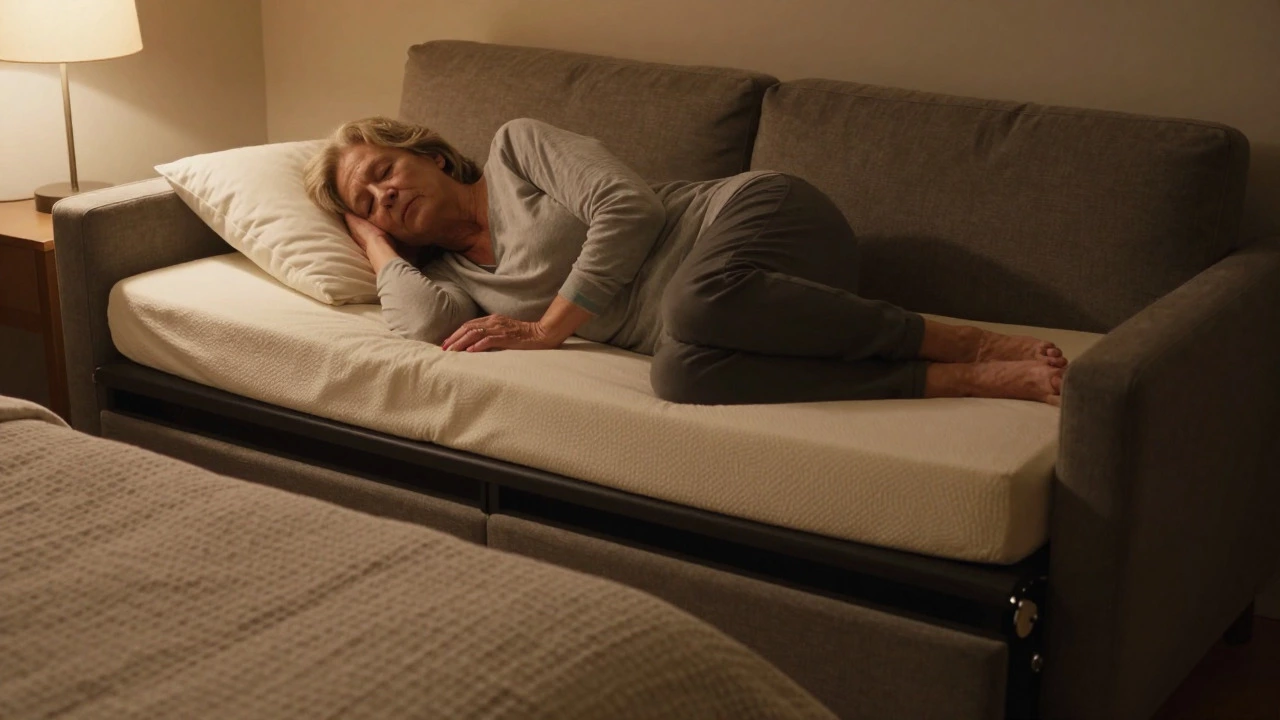
While most people can tolerate a night or two on a sofa bed, certain groups should be cautious. If you have chronic conditions like fibromyalgia, severe arthritis, or recent spinal surgery, the inconsistent support of a sofa bed can exacerbate symptoms. In these cases, a portable air mattress or a roll-away cot might be safer alternatives because they offer a uniform, predictable surface.
Also, consider the age of the sleeper. Children and elderly individuals are more sensitive to poor sleep environments. Their bodies recover slower from physical stress. If you regularly host elderly parents or young children, investing in a higher-quality trundle system with a premium mattress is not just a luxury-it’s a necessity for their well-being.
Frequently Asked Questions
Is it okay to sleep on a sofa bed every night?
It is not recommended for long-term daily use. Sofa beds are designed for occasional use. Daily use accelerates wear and tear on the mechanisms and foam, leading to faster sagging and reduced support. If you must use it daily, invest in a high-quality topper and check the frame integrity monthly.
Do sofa beds cause back pain?
They can, particularly if the mattress is too firm or has folding ridges. Back pain usually results from poor spinal alignment. If you experience pain, try adding a memory foam topper to cushion pressure points. If the pain persists, the sofa bed may not provide adequate support for your specific body type.
What is the healthiest type of sofa bed?
A trundle-style sofa bed with a thick, high-density foam or hybrid mattress is generally the healthiest option. Unlike folding mechanisms, trundles do not have central ridges, providing more consistent support across the entire sleeping surface.
How often should I replace a sofa bed mattress?
Check the condition every six months. Generally, sofa bed mattresses last 3 to 5 years before they begin to sag significantly. Replace them as soon as you notice visible dips or if the surface feels uneven, as waiting longer can lead to permanent posture issues.
Can I use a regular mattress on a sofa bed frame?
Only if the dimensions match exactly. Most sofa bed frames are custom-sized to fit the mechanism. Using a non-fitting mattress can strain the hinges and create gaps that reduce support. Always measure the interior dimensions of the frame before purchasing a replacement mattress.