Garage Sofa Storage Readiness Checker
Answer the questions below to determine if your garage is ready for long-term sofa storage. This tool evaluates environmental risks and preparation steps based on best practices.
Verdict
Complete the checks above to see your recommendation.
You’ve just moved house, or maybe you’re renovating the living room, and suddenly that massive three-seater sofa has nowhere to go. The spare bedroom is full of boxes, the hallway looks like a maze, and then you glance at the garage. It’s big, it’s dry (mostly), and it’s right there. But is it actually safe to park your beloved upholstery out there? In Leeds, where the damp can creep into corners faster than you can say "condensation," this isn't just about space-it's about survival.
The short answer? Yes, you can store a couch in the garage, but only if you treat it like a fragile artifact rather than a pile of junk. If you throw it in unprotected, you’re inviting mould, pests, and warping frames. Let’s break down exactly how to do this without turning your investment into a damp disaster.
The Reality Check: Why Garages Are Tricky for Upholstery
Garages are not climate-controlled environments. Unlike your living room, which stays roughly between 18°C and 21°C year-round thanks to central heating, a garage swings wildly with the seasons. In the UK, temperatures can drop below freezing in winter and spike in summer. This thermal cycling causes materials to expand and contract. For a wooden frame, this means joints loosening. For foam cushions, it means degradation over time. And for fabric? Well, that’s where the real trouble starts.
Consider the humidity factor. Concrete floors are porous. They wick moisture from the ground up. If you place a sofa directly on concrete, it acts like a sponge. Within weeks, you might see water stains or smell that distinct musty odour that no amount of air freshener can mask. This is especially true in older properties where insulation is minimal. Before you even lift a finger, assess your garage’s baseline conditions. Is it prone to flooding? Does rain leak through the roof during heavy storms? If yes, a couch probably isn’t the right candidate for long-term storage here.
Preparation Steps That Actually Work
You can’t just drag the sofa out and leave it. Preparation is everything. First, clean it thoroughly. Vacuum every crevice. Crumbs and pet hair attract mice and spiders, both of whom love dark, undisturbed spaces. Use an upholstery cleaner suitable for your fabric type-check the manufacturer’s label first. If you have a microfiber or synthetic blend, a mild detergent solution works wonders. For leather, use a dedicated conditioner to prevent cracking when exposed to fluctuating humidity.
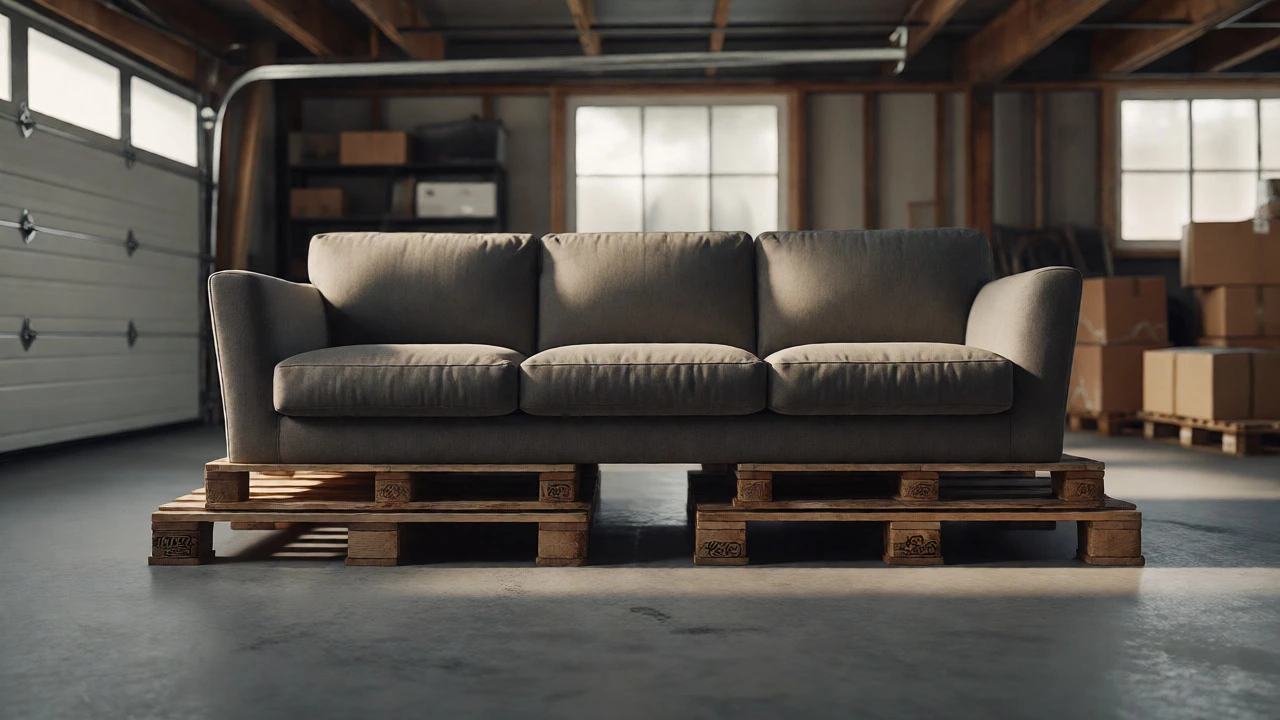
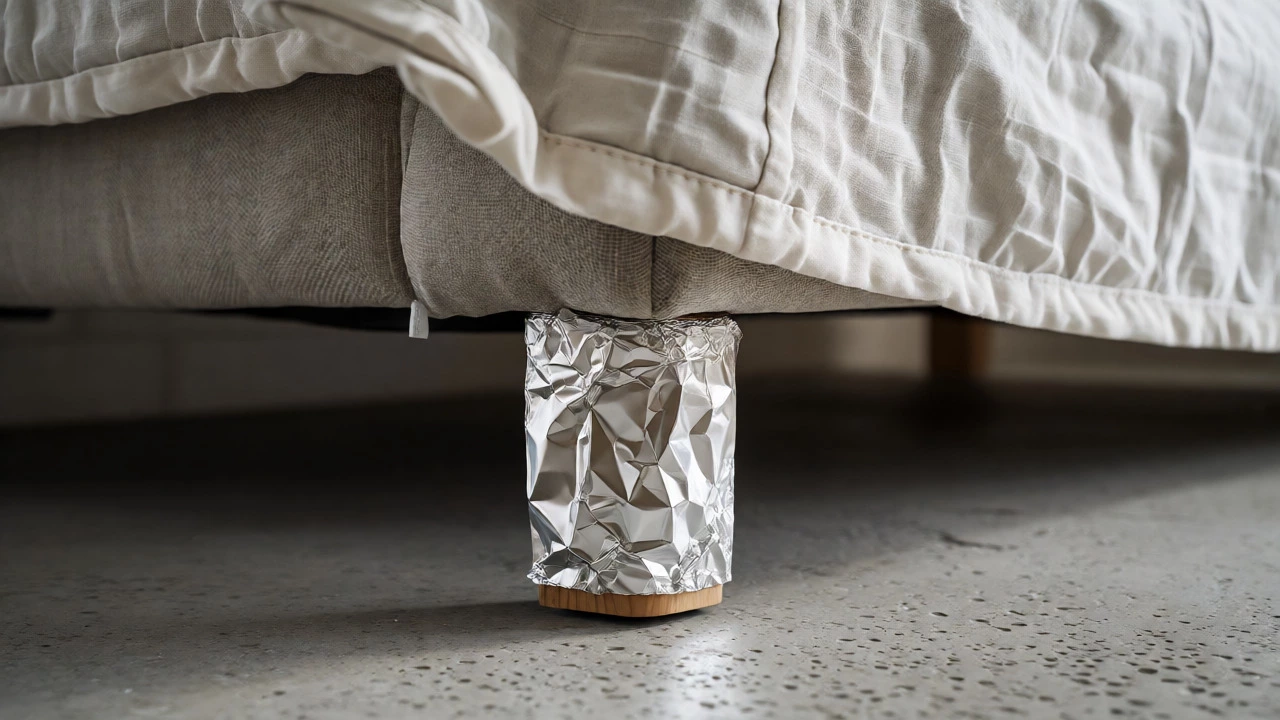
Next, address the legs. Wooden legs absorb moisture. Wrap them in plastic wrap or aluminium foil before covering the rest of the sofa. This simple step creates a barrier against rising damp from the floor. Then, elevate the couch. Never let it touch the concrete. Buy a set of cheap pallets or sturdy wooden planks. Lift the sofa at least four inches off the ground. This allows air to circulate underneath, preventing condensation buildup on the base fabric.
| Component | Risk Factor | Recommended Action |
|---|---|---|
| Fabric | Mould & Dust | Cover with breathable cotton sheet, not plastic |
| Foam Cushions | Absorbing Odours/Moisture | Remove and store indoors if possible |
| Wooden Frame | Warping/Joint Loosening | Elevate on pallets; avoid direct floor contact |
| Leather | Drying/Cracking | Apply conditioner; keep away from heat sources |
To Cover or Not to Cover? The Plastic Trap
Here is a common mistake people make: they buy a giant plastic tarpaulin, drape it over the sofa, and call it a day. Big mistake. Plastic traps moisture. If any humidity gets under that cover, it can’t escape. Instead of drying out, the fabric stays damp, creating a perfect breeding ground for mould spores. You’ll uncover your sofa months later to find black spots and a smell that ruins the upholstery permanently.
Instead, use a breathable material. An old bedsheet, a drop cloth, or a specific canvas furniture cover works best. These materials allow air to pass through while blocking dust and light. Sunlight is another enemy. UV rays fade colours rapidly. Even indirect light through a garage window can bleach fabric over six months. So, position the sofa away from windows if possible, or ensure the cover blocks light effectively.
If you must use plastic for extra protection against leaks, create an air gap. Build a small tent structure using cardboard boxes around the sofa, then cover that structure with plastic. This way, the plastic doesn’t touch the fabric, allowing some ventilation while shielding against splashes.
Pest Control: The Silent Destroyers
Garages are often entry points for pests. Mice, rats, and cockroaches love the warmth of stored furniture. They don’t just eat the fabric; they nest in it. Their droppings carry bacteria and cause allergic reactions. Once they move in, eviction is difficult and expensive.
Before storing, seal all gaps in the garage walls and doors. Use steel wool to block small holes, as rodents can’t chew through metal. Place natural deterrents like peppermint oil-soaked cotton balls around the perimeter of the sofa. While not foolproof, they help discourage curious critters. For long-term storage (over three months), consider professional pest control treatment for the garage space itself. It’s cheaper than replacing a ruined £500 sofa.
Long-Term vs. Short-Term Storage Strategies
How long will the couch stay in the garage? This changes the approach significantly. For short-term storage (under one month), basic cleaning and elevation are usually sufficient. Check on it weekly. Look for signs of moisture or pests. Rotate the cushions if they are removable to prevent uneven compression.
For long-term storage (three months or more), be more rigorous. Remove all cushions and store them inside the house. Foam absorbs smells and moisture quickly. Keeping the main frame in the garage while keeping the comfort elements indoors is a smart compromise. It reduces the bulk in the garage and protects the most vulnerable parts. If you can’t bring cushions inside, vacuum-pack them in breathable bags, not vacuum-sealed plastic bags which can crush the foam structure permanently.
Climate Considerations Specific to the UK
If you live in a region with harsh winters, like the North of England, frost is a concern. Leather and certain synthetic fabrics can become brittle in extreme cold. When you bring the sofa back inside, let it acclimate slowly. Don’t turn up the thermostat immediately. Allow it to reach room temperature gradually over 24 hours to prevent shock to the materials.
In humid summers, particularly in coastal areas, salt air can corrode metal legs and fasteners. Wipe down metal components with a dry cloth periodically. Apply a thin layer of wax or rust inhibitor to exposed metal parts before storage. This small step saves you from scraping off rust later.
When to Avoid Garage Storage Altogether
Sometimes, the garage just isn’t worth the risk. If your sofa is antique, made of high-end velvet, or has intricate stitching that catches dirt easily, consider alternative options. Self-storage units are often climate-controlled and cost less than you think. Many facilities offer drive-up access, making transport easy. Compare the cost of a unit versus the potential replacement value of your furniture. Often, paying £30-£50 a month for a secure, dry unit is better than risking damage.
Also, if your garage is used for cars, exhaust fumes and oil spills are hazards. Gasoline vapours can permeate fabric, leaving a lingering smell that’s nearly impossible to remove. Keep the sofa far from the car’s parking spot, ideally on the opposite wall.
Bringing It Back Home: Restoration Tips
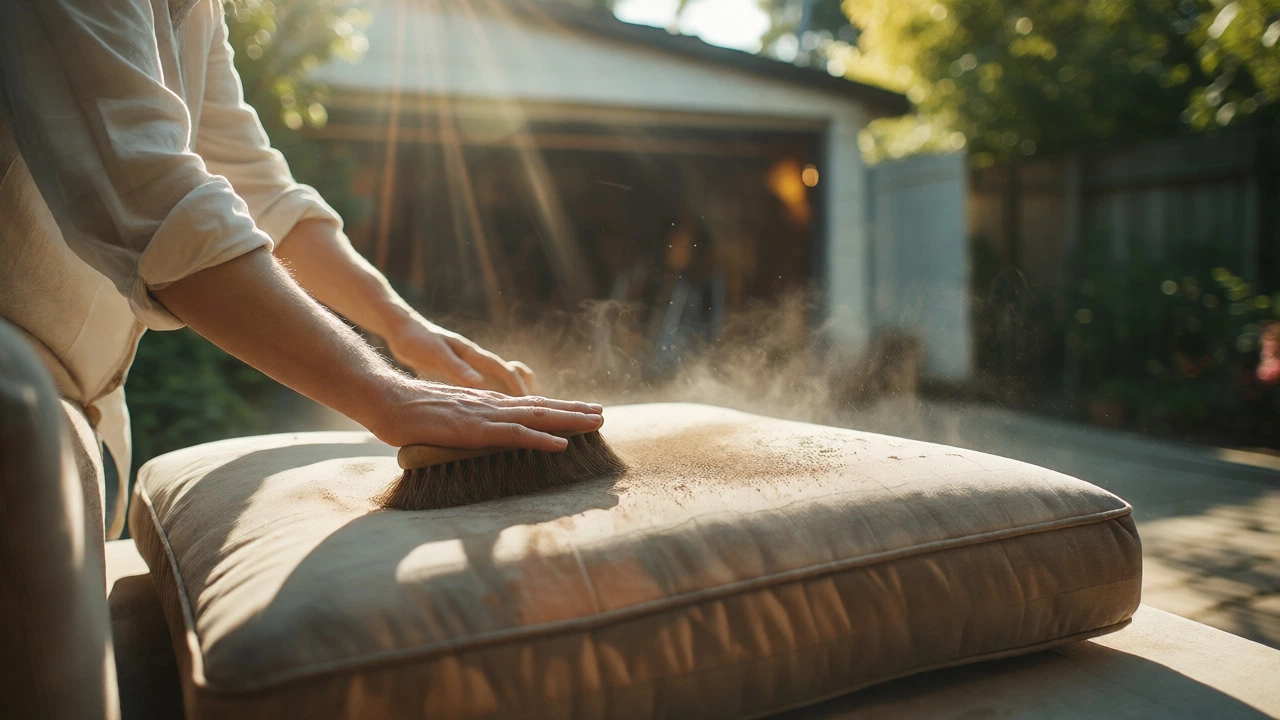
After months in the garage, your sofa won’t look brand new. Expect some dust and a slight stale smell. Start by airing it out outside on a sunny, breezy day. Brush off loose debris. Vacuum thoroughly with an upholstery attachment. For odours, sprinkle baking soda generously over the fabric, let it sit for several hours (or overnight), then vacuum it up. Baking soda neutralises smells naturally.
Check the structural integrity. Wiggle the arms and legs. Tighten any loose screws. If the wood feels soft or spongy, check for rot. If you find mould spots, clean them immediately with a mixture of white vinegar and water. Test on a hidden area first. Do not ignore small spots; they spread quickly once introduced to a warm indoor environment.
Can I store a leather sofa in the garage?
Yes, but with caution. Leather is sensitive to temperature fluctuations and humidity. Extreme cold can crack it, while high humidity promotes mould. Always condition the leather before storage and cover it with a breathable cloth. Avoid direct sunlight and keep it elevated off the concrete floor to prevent moisture absorption.
How do I stop my sofa from smelling musty in the garage?
Ensure good airflow by elevating the sofa on pallets. Use a breathable cover like cotton instead of plastic. Place silica gel packets or charcoal bags nearby to absorb excess moisture. Regularly check for leaks in the garage roof or walls, as dampness is the primary cause of musty odours.
Is it better to store a sofa in a self-storage unit or a garage?
Self-storage units are generally safer because they are typically climate-controlled, secure, and free from household pests and vehicle fumes. Garages are cheaper but require more preparation to mitigate risks like damp, temperature swings, and rodent intrusion. For valuable or delicate furniture, self-storage is the superior choice.
Do mice eat sofa fabric?
Mice don't typically eat fabric for nutrition, but they shred it to build nests. They also gnaw on threads and seams. Synthetic fabrics are less appealing than natural fibres like cotton or wool, but no fabric is completely immune. Sealing entry points and using deterrents like peppermint oil helps prevent infestation.
How long can a sofa stay in the garage?
With proper preparation (cleaning, elevation, breathable covers), a sofa can last 6-12 months in a well-maintained garage. However, regular checks are essential. If you notice any dampness, pests, or structural issues, move it indoors immediately. Long-term storage beyond a year increases the risk of permanent damage due to environmental factors.