Office Chair Quality Estimator
Select the specifications of your current or prospective chair to determine its estimated quality tier based on industry standards.
Quality Assessment
Select options and click "Estimate Quality" to see results.
You sit in a chair for eight hours a day. Maybe more. It’s the piece of furniture that supports your spine, affects your posture, and determines whether you come home with back pain or not. So why do so many people buy the first thing they see on Amazon? The truth is, spotting a high quality office chair isn’t about price tags or flashy designs. It’s about understanding what makes a chair last-and what makes it fail.
I’ve tested dozens of chairs over the years, from budget models to premium ergonomic setups. I’ve also talked to physical therapists, office managers, and long-term users who know their gear. Here’s what actually matters when you’re trying to figure out if a chair is built to last.
The Frame: Where Strength Begins
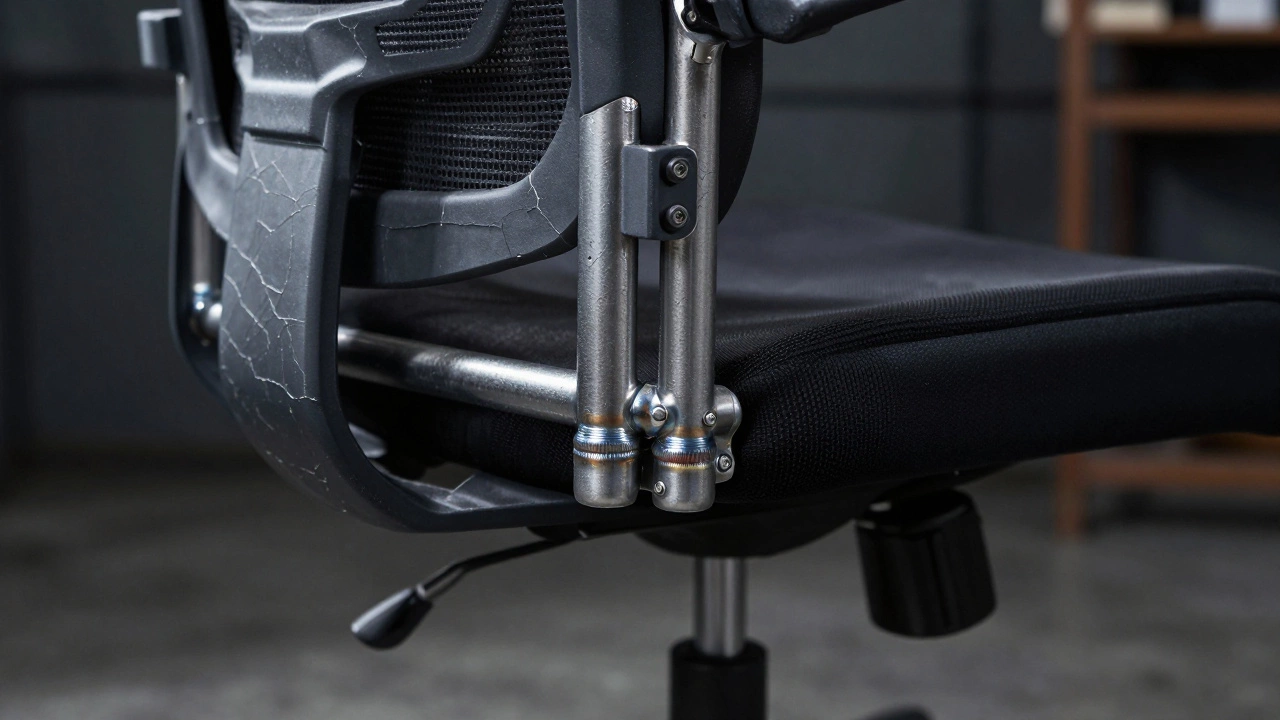
The frame is the skeleton of any chair. If this part is weak, nothing else matters. Most cheap chairs use plastic or thin aluminum frames. They might look fine at first, but after six months of daily use, they start cracking or bending under pressure.
High-quality chairs typically use steel or reinforced nylon frames. Steel offers superior strength and longevity, especially for heavier users. Nylon can be durable too-if it’s thick enough and properly engineered. Look for frames with welds instead of bolts where possible; welded joints are stronger and less likely to loosen over time.
If you’re testing a chair in person, try shifting your weight side to side. Does the frame creak? Does it feel like it might snap? That’s a red flag. A good frame should feel solid, even when you lean back fully.
The Base and Casters: Stability Matters
The base holds everything up. Most office chairs have five-star bases made of either metal or plastic. Metal bases are generally more durable, especially for heavy-duty use. Plastic bases can work well if they’re thick and reinforced-but avoid anything that feels flimsy or lightweight.
Casters (the wheels) also play a big role in chair performance. Cheap casters often scratch floors, get stuck, or wear down quickly. High-quality chairs come with smooth-rolling casters designed for specific floor types-hardwood, carpet, or tile. Some even offer dual-wheel options for extra stability on uneven surfaces.
Check the height adjustment mechanism too. Gas lifts are standard now, but not all are created equal. Class 4 gas cylinders are considered safe and reliable. Anything lower may pose safety risks or fail prematurely.
Seat Cushioning: Comfort Isn’t Just About Softness
A soft seat doesn’t always mean a comfortable one. In fact, overly soft cushions can lead to poor posture and discomfort over time. High-quality chairs use high-density foam or mesh materials that provide support without collapsing.
Foam density is measured in pounds per cubic foot (PCF). For office chairs, aim for at least 1.8 PCF. Lower densities compress faster and lose shape within months. Mesh seats are popular for breathability, but they need tension control to prevent sagging. Check if the mesh adjusts independently from the seat depth.
Sit in the chair for at least five minutes before deciding. Does your bottom sink too much? Do your thighs feel numb? These are signs of inadequate cushioning or poor design.
Backrest Design: Support Is Key
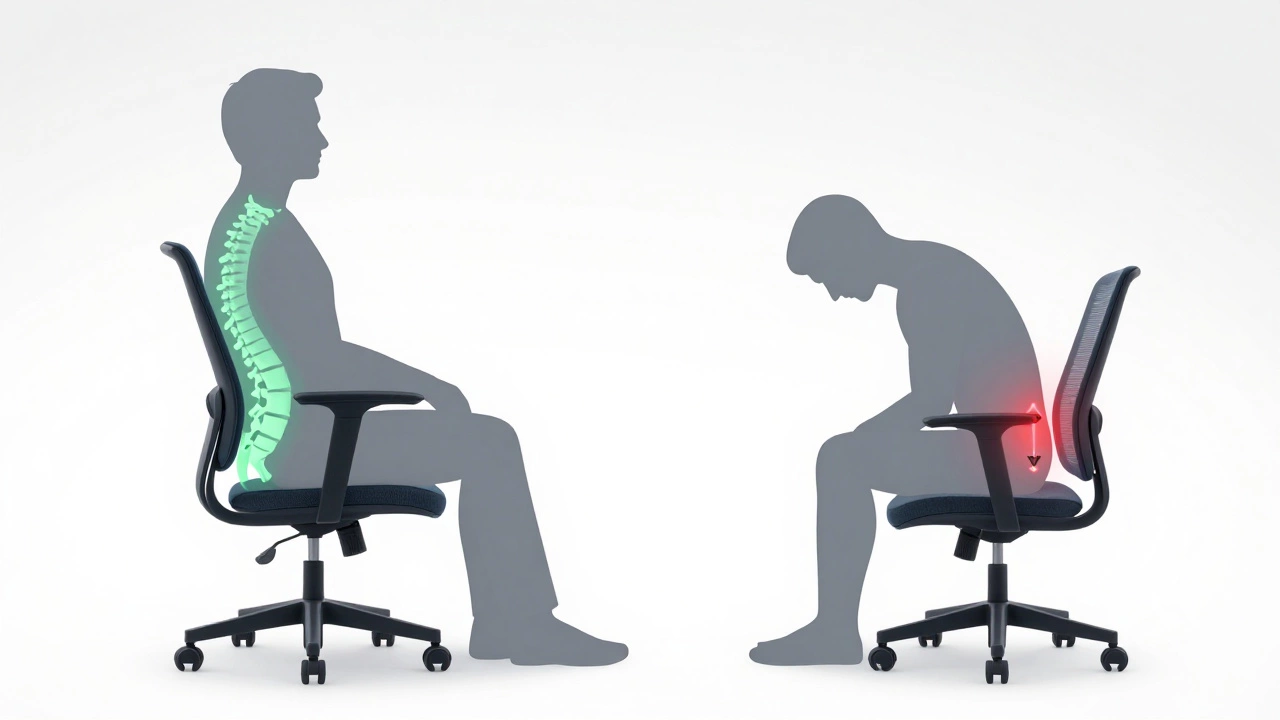
Your back takes the brunt of sitting fatigue. A good backrest should follow the natural curve of your spine. Look for lumbar support that’s adjustable-not just fixed. Adjustable lumbar lets you customize the fit to your body, which reduces strain during long hours of sitting.
Mesh backs are breathable and flexible, making them ideal for warm climates or hot flashes. But again, quality varies. Cheap mesh sags easily and loses its supportive shape. Premium mesh maintains tension and adapts to movement.
Some chairs include dynamic backrests that move slightly as you shift positions. This feature helps maintain spinal alignment throughout the day. If you’re prone to back issues, consider this a must-have.
Armrests: Often Overlooked, Always Important
Armrests aren’t just for resting your arms-they help distribute weight and reduce shoulder tension. Fixed armrests limit flexibility and can cause awkward postures. Adjustable armrests let you raise, lower, widen, or narrow them based on your needs.
Look for multi-dimensional adjustability: height, width, depth, and angle. Some high-end models even allow forward tilt or pivot rotation. While these features add cost, they significantly improve comfort for tasks like typing or reading.
Also check padding. Hard plastic armrests dig into your elbows after a while. Foam-covered arms with removable covers are easier to clean and more comfortable.
Mechanisms and Adjustments: How Much Control Do You Have?
A quality chair gives you control over how it fits your body. Basic adjustments include seat height and tilt tension. Better chairs add seat depth, recline angle, and lockable tilt positions.
Tilt tension controls how hard it is to lean back. Without proper tension control, you’ll either fall backward or struggle to recline comfortably. Syncro-tilt mechanisms are common in mid-range chairs and link seat and backrest movement for smoother transitions.
Recline range matters too. A 90-135-degree recline is typical for most office chairs. Gamers or those who nap at desks may want wider ranges. Make sure the recline locks securely-you don’t want unexpected shifts mid-task.
Materials and Build Quality: What You Touch Daily
Leather, fabric, mesh, vinyl-each material has pros and cons. Full-grain leather ages beautifully and resists stains, but it’s expensive and requires maintenance. Bonded leather peels over time and isn’t worth the hype. Fabric upholstery is affordable and easy to replace, but it traps heat and dust.
Mesh dominates modern office chairs due to airflow and flexibility. However, low-quality mesh tears easily and loses elasticity. Test by pressing firmly against the mesh. If it stretches excessively or feels rough, skip it.
Vinyl is another option, often used in medical or industrial settings. It’s easy to sanitize but lacks breathability. Choose based on your environment and cleaning habits.
Weight Capacity and Durability Ratings
Every chair has a weight limit. Don’t ignore it. Budget chairs often max out at 200-250 lbs. Mid-tier models go up to 300-350 lbs. Heavy-duty chairs exceed 400 lbs and require reinforced frames and bases.
BIFMA certification ensures chairs meet strict safety and durability standards. BIFMA tests chairs for structural integrity, stability, and mechanical function. Always look for this label-it means the chair passed rigorous lab trials.
Warranty length also hints at build quality. Brands confident in their product offer 5-10 year warranties. Shorter terms suggest potential weaknesses in materials or construction.
| Feature | Budget ($50-$150) | Mid-Range ($150-$400) | Premium ($400+) |
|---|---|---|---|
| Frame Material | Plastic / Thin Aluminum | Nylon / Steel Hybrid | Steel / Reinforced Nylon |
| Base Type | Plastic Five-Star | Metal or Thick Plastic | Metal with Dual Wheels |
| Seat Cushion | Low-Density Foam (<1.8 PCF) | Medium-Density Foam (1.8-2.5 PCF) | High-Density Foam or Adaptive Mesh |
| Lumbar Support | Fixed or None | Adjustable Height | Dynamic & Multi-Axis Adjustment |
| Armrests | Fixed | Height Adjustable | Multi-Dimensional (Height, Width, Depth, Angle) |
| Gas Cylinder Class | Class 2-3 | Class 3-4 | Class 4+ |
| BIFMA Certified | Rarely | Sometimes | Always |
| Warranty Length | 1-2 Years | 3-5 Years | 5-10 Years |
Real-World Testing Tips
If you’re shopping in-store, treat the experience like a test drive. Sit down, adjust every setting, and mimic your usual workflow. Type, read, stretch, lean back. Notice how the chair responds.
Pay attention to noise. Squeaks, creaks, or grinding sounds indicate poor lubrication or weak components. Smooth operation suggests better engineering.
Try standing up and leaning into the chair. Does it wobble? Does the base lift off the ground? Instability here points to flawed balance or insufficient caster grip.
Ask about return policies. Many retailers allow trial periods. Use them. Live with the chair for a week or two before committing.
When to Upgrade Your Chair
Even the best chairs wear out eventually. Signs it’s time to replace yours include visible cracks in the frame, sagging cushions, broken casters, or persistent discomfort despite adjustments.
If you’ve had your current chair for more than five years and notice declining comfort, it’s probably nearing the end of its life. Upgrading sooner rather than later prevents injury and improves productivity.
What is the most important feature of a high-quality office chair?
The frame is the most critical component. It determines overall durability and safety. Steel or reinforced nylon frames outlast plastic ones, especially under regular use.
How do I know if my office chair is ergonomic?
An ergonomic chair supports your spine’s natural curve, allows full adjustability (seat height, depth, armrests, lumbar), and promotes neutral posture. Look for adjustable lumbar support and syncro-tilt mechanisms.
Are mesh chairs better than padded ones?
It depends on your preference. Mesh provides better airflow and flexibility, while padded seats offer more cushioning. High-density foam or adaptive mesh both perform well-if chosen correctly.
Is BIFMA certification necessary?
Yes, especially for long-term use. BIFMA certification ensures the chair meets industry standards for safety, stability, and durability. It’s a strong indicator of build quality.
How long should a good office chair last?
A well-built office chair lasts 7-10 years with normal use. Cheaper models may degrade in 2-3 years. Regular maintenance and correct usage extend lifespan significantly.
Can I fix a squeaky office chair myself?
Often yes. Lubricate moving parts with silicone spray, tighten loose screws, and inspect casters for debris. Persistent noises may indicate worn-out components needing replacement.
Do expensive chairs really make a difference?
Yes, primarily in adjustability, material quality, and longevity. Premium chairs offer finer tuning and better support, reducing strain over time. Worth it if you sit 6+ hours daily.
Should I choose a chair with fixed or adjustable armrests?
Adjustable armrests are far superior. They let you position your arms naturally, reducing shoulder and neck tension. Fixed armrests force compromises in posture.
What’s the ideal seat depth for most people?
Around 16-19 inches, depending on leg length. There should be 2-3 fingers’ space between the edge of the seat and the back of your knees. Adjustable depth is best for customization.
How do I clean a mesh office chair?
Use a vacuum with a brush attachment to remove dust. Spot-clean stains with mild soap and water. Avoid harsh chemicals that could damage the mesh fibers.