Spineless Shelving Simulator
Visual Clutter Score
High visual noise from varied fonts, colors, and sizes
Cognitive Load
Brain processes multiple text elements and patterns
Aesthetic Uniformity
Low consistency due to diverse book designs
Accessibility
Easy title scanning and quick book retrieval
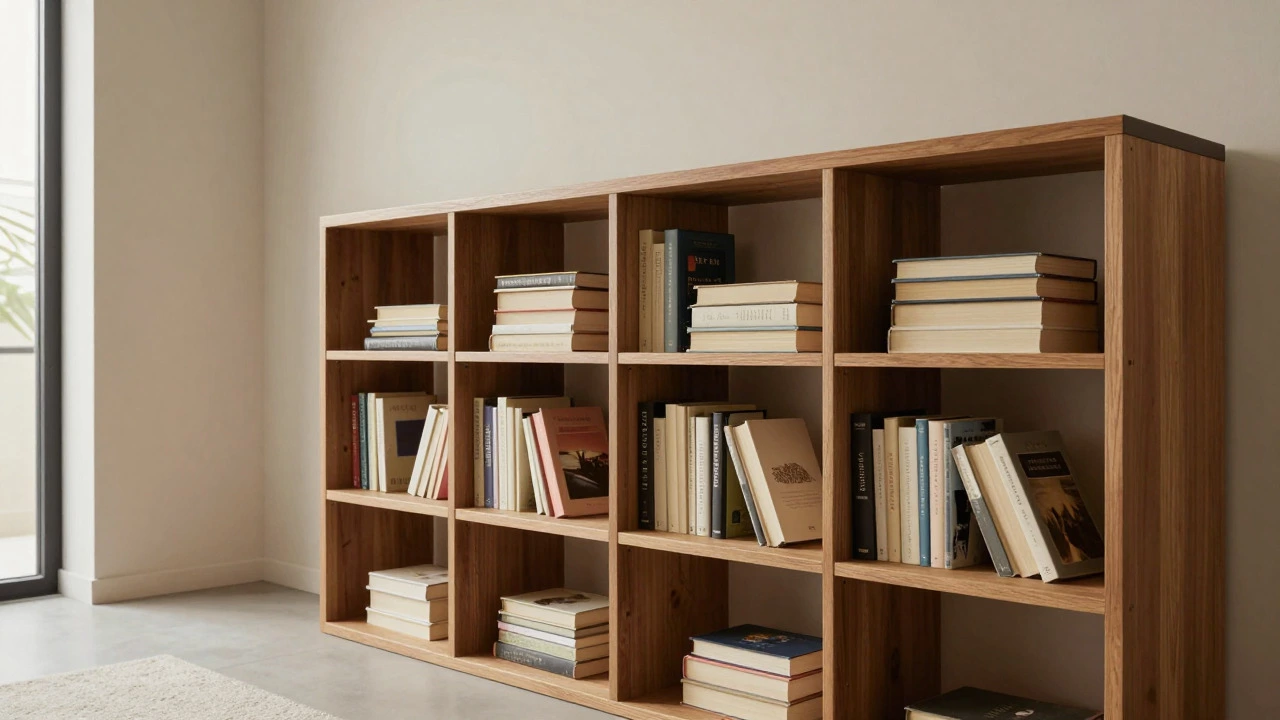
Have you ever walked into a beautifully staged living room or scrolled through an interior design magazine, only to notice something odd about the bookshelves? The books are there, but they’re facing away from you. You see rows of colorful spines turned inward, leaving only the blank pages visible. It looks intentional, almost artistic. But it also feels wrong if you’re someone who actually reads those books. Why would designers go to such lengths to hide the titles?
This trend, often called "spineless shelving" or "blind shelving," has taken over high-end interiors and social media feeds alike. It’s not just a random quirk; it’s a calculated move driven by aesthetics, psychology, and the way we consume content today. If you’ve ever wondered why your favorite stylist insists on turning your library around, the answer lies in how we perceive color, order, and even our own attention spans.
The Aesthetic of Uniformity
At its core, this design choice is about control. When you look at a standard bookshelf with spines facing out, you’re seeing a chaotic mix of fonts, colors, sizes, and textures. Some books are thick, some thin. Some have glossy covers, others matte. The text on the spines varies wildly in font size and style. To the untrained eye, it might look cozy. To a designer trained in visual harmony, it can look like noise.
By turning the books backwards, designers create a uniform surface. The edges of the pages provide a consistent texture-a soft, off-white or cream-colored band that repeats across the shelf. This repetition creates rhythm. It’s similar to how a brick wall looks pleasing because each brick is identical in shape and placement. The variation comes from the height of the books and perhaps the color of the dust jackets, but the primary visual element-the spine-is removed.
Visual Clutter is the perception of excessive visual stimuli that makes a space feel busy or disorganized. Designers argue that spine-out shelves contribute to visual clutter, especially in minimalist or modern homes where clean lines are prioritized. By hiding the spines, they reduce the cognitive load on the viewer. Your brain doesn’t have to process hundreds of different words and logos. Instead, it sees a solid block of color and texture. This creates a sense of calm and order that aligns with contemporary design principles.
Color Blocking as a Design Tool
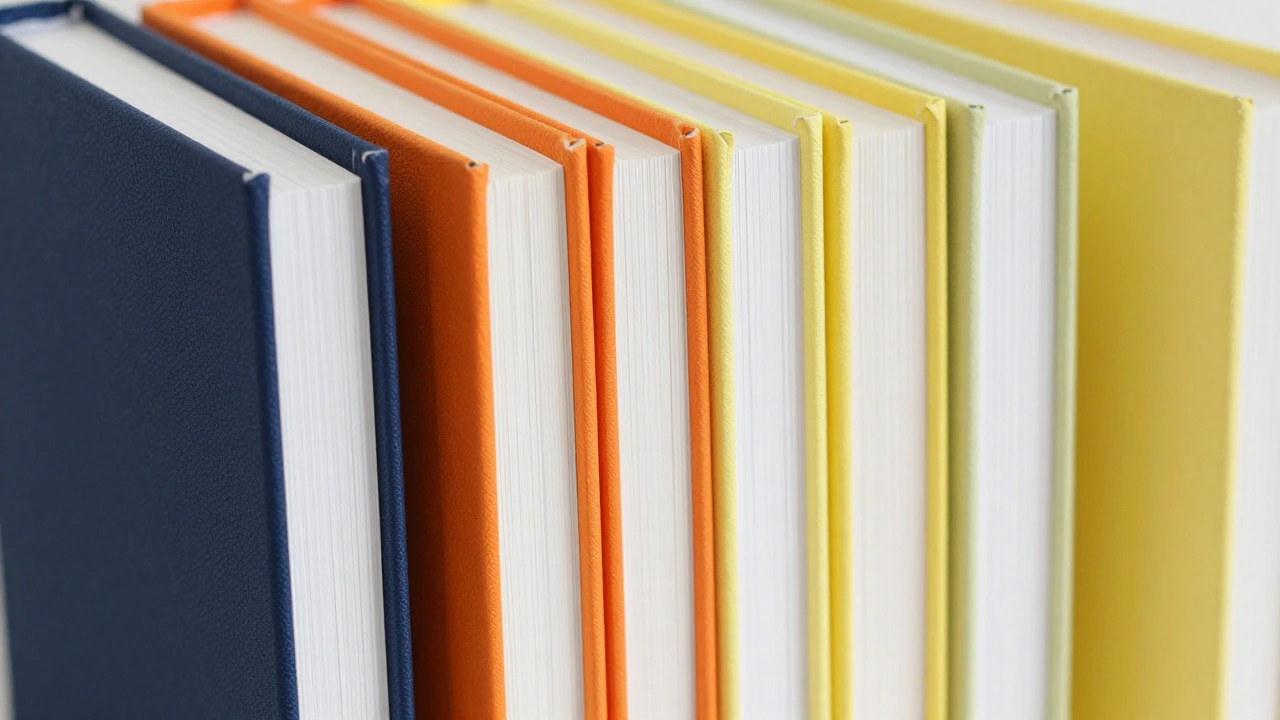
If removing the spines reduces clutter, what adds interest? Color. Without the distraction of titles, the books become blocks of color. Designers often arrange these books by hue, creating gradients or bold contrasts. Imagine a shelf transitioning from deep navy blue to bright orange, then to pale yellow. The books themselves become decorative objects, much like vases or sculptures.
This technique allows for more creative freedom. You don’t need to match the books to the theme of the room based on their subject matter. Instead, you can pull books from your collection that fit the color palette of your sofa or curtains. It turns a functional storage unit into a piece of art. The specific title of the book becomes irrelevant; its physical presence as a colored object is all that matters.
In practice, this means digging through your library to find books with red spines, then green ones, then black ones. It’s a labor-intensive process, but the result is a cohesive look that ties the room together. For clients who want a polished, magazine-ready home, this effort pays off. The shelf looks curated rather than accumulated.
The Psychology of Minimalism
There’s also a psychological component to this trend. We live in an age of information overload. Our phones buzz with notifications, our emails pile up, and our screens are constantly demanding attention. In this context, home environments are increasingly designed to be sanctuaries-places where we can disconnect and recharge.
A bookshelf with visible titles reminds us of tasks, knowledge, and obligations. That unread novel on the top shelf might guilt-trip you. The textbook from college might remind you of stress. By hiding the titles, designers help remove these subtle triggers. The books become anonymous. They are present, but they are not asking anything of you. This supports the broader movement toward minimalism, which emphasizes owning fewer things and reducing mental distractions.
Furthermore, the act of hiding the books can make them feel more precious. When everything is displayed openly, it can lose its value. By concealing the identities of the books, they become part of the background architecture. This encourages a slower, more deliberate interaction. When you do want to read, you reach in, pull out a book, and engage with it intentionally, rather than skimming titles as you walk by.
Practical Considerations: Dust and Damage
Beyond aesthetics and psychology, there are practical reasons for turning books backwards. One major factor is dust. Spines, especially those with textured covers or embossed titles, tend to collect dust quickly. Cleaning individual spines is tedious. Turning the books inward exposes the page edges, which are smoother and easier to wipe down with a dry cloth. While the pages themselves can still gather dust, the overall maintenance is simpler.
Another consideration is light damage. Sunlight fading book spines is a real issue, particularly for older or valuable editions. UV rays can bleach colors and crack leather bindings over time. By keeping the spines facing the back of the shelf, they are shielded from direct light. The page edges may fade slightly, but this is less noticeable and less damaging to the structural integrity of the book. For collectors, this method offers a form of passive preservation.
However, this approach isn’t without drawbacks. Accessing a specific book becomes harder. You can’t scan the shelf for a title. You have to pull books out one by one to find what you’re looking for. This works well for decorative collections but poorly for active libraries. If you read frequently, this setup might frustrate you. It prioritizes looks over function.
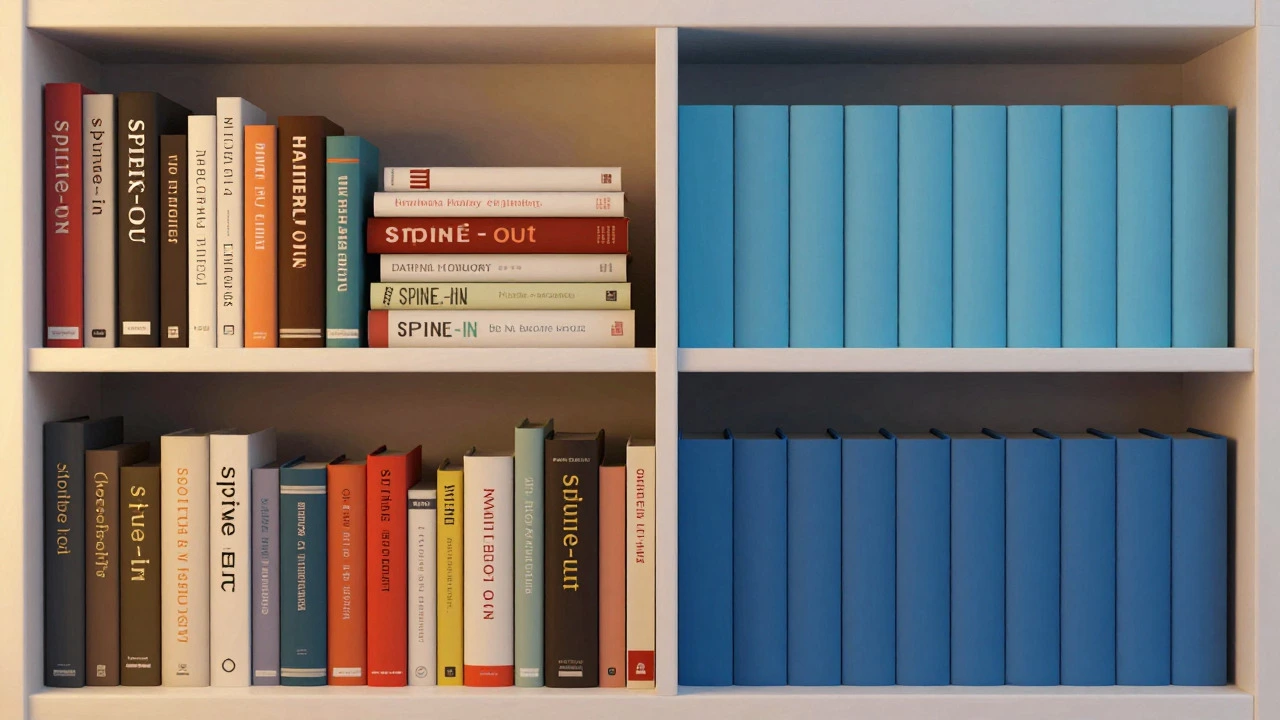
| Feature | Spine-Out (Traditional) | Spine-In (Backwards) |
|---|---|---|
| Visual Appeal | Personal, eclectic | Clean, uniform |
| Accessibility | High (easy to find titles) | Low (must search manually) |
| Maintenance | Harder (dust on spines) | Easier (smooth page edges) |
| Light Protection | Low (spines exposed) | High (spines shielded) |
| Best For | Active readers, personal libraries | Decorative displays, minimalist homes |
How to Style Backwards Books Effectively
If you decide to try this look in your own home, there are ways to do it right. First, sort your books by height. Mixing tall and short books randomly can look messy, even with spines hidden. Grouping them by size creates horizontal lines that guide the eye across the shelf. Within those groups, you can then arrange by color.
Second, consider mixing in other objects. A shelf filled entirely with backwards books can look monotonous. Break up the blocks of color with ceramics, plants, or framed photos. Place a small vase in front of a group of blue books, or lean a mirror against the back of the shelf behind some white-spined volumes. This adds depth and prevents the display from feeling too rigid.
Third, don’t overcrowd the shelves. Leave some negative space. Empty areas allow the eye to rest and highlight the books that are there. Overfilling a shelf defeats the purpose of minimalism. Aim for a balance between fullness and openness. If you have too many books, consider storing some elsewhere and rotating them seasonally.
The Counter-Movement: Embracing Chaos
Not everyone agrees with this trend. In recent years, there has been a pushback against overly sterile interiors. Some designers and homeowners are embracing "lived-in" aesthetics, where messiness is celebrated as authentic. Visible book spines tell a story. They show your interests, your history, and your personality. A shelf full of cookbooks says you love to eat. A row of sci-fi novels says you enjoy adventure.
This counter-movement argues that hiding books sanitizes the home. It removes the human element. There is beauty in disorder, in the evidence of daily life. For many, the joy of browsing a shelf and stumbling upon a forgotten title is worth the visual chaos. It invites exploration and serendipity.
Ultimately, the best approach depends on your lifestyle. If you value tranquility and visual order, turning books backwards may bring you peace. If you value accessibility and personal expression, keep the spines out. You can also compromise: dedicate one shelf to decorative, spine-in books and another to your active reading list with spines out. This hybrid approach gives you the best of both worlds.
Does putting books backwards damage them?
Generally, no. As long as the books are stored upright and not squeezed too tightly, turning them backwards does not cause structural damage. In fact, it may protect the spines from sunlight fading and dust accumulation. However, ensure the shelves are sturdy enough to support the weight, as leaning books can warp over time.
Is this trend limited to modern homes?
While most common in modern and minimalist interiors, spineless shelving can work in various styles. In traditional homes, it might look unusual unless balanced with classic decor. The key is consistency. If you choose this style, commit to it across the shelf to maintain visual harmony.
How do I find a specific book when spines are hidden?
You’ll need to rely on memory or organization systems. Many people use this method only for decorative books they rarely access. For frequently read books, keep a separate section with spines out. Alternatively, label the sides of the books or use a digital inventory app to track locations.
Can I mix spine-in and spine-out books on the same shelf?
Yes, but do it deliberately. Randomly mixing them creates visual confusion. Try grouping spine-in books together in one section and spine-out books in another. Use dividers or gaps to separate the two styles clearly. This maintains order while offering flexibility.
Why do magazines often feature this style?
Magazines prioritize aesthetics and brand neutrality. Visible book titles can date a photo or distract from the furniture being showcased. Spineless shelves create a timeless, clean look that appeals to a broad audience. It allows readers to focus on the room’s design rather than the owner’s reading habits.