Dreamer Couch Space Calculator
Calculate how much space you need to open your dreamer couch and see if it will fit in your room.
Ever seen a couch that turns into a bed and wondered how it actually works? That’s a dreamer couch - and it’s not just a fancy name. It’s one of the most practical pieces of furniture in small homes, guest rooms, and studio apartments. If you’ve ever had to squeeze a guest onto a fold-out mattress or wished your living room could double as a bedroom, this is the solution you’ve been looking for.
What Exactly Is a Dreamer Couch?
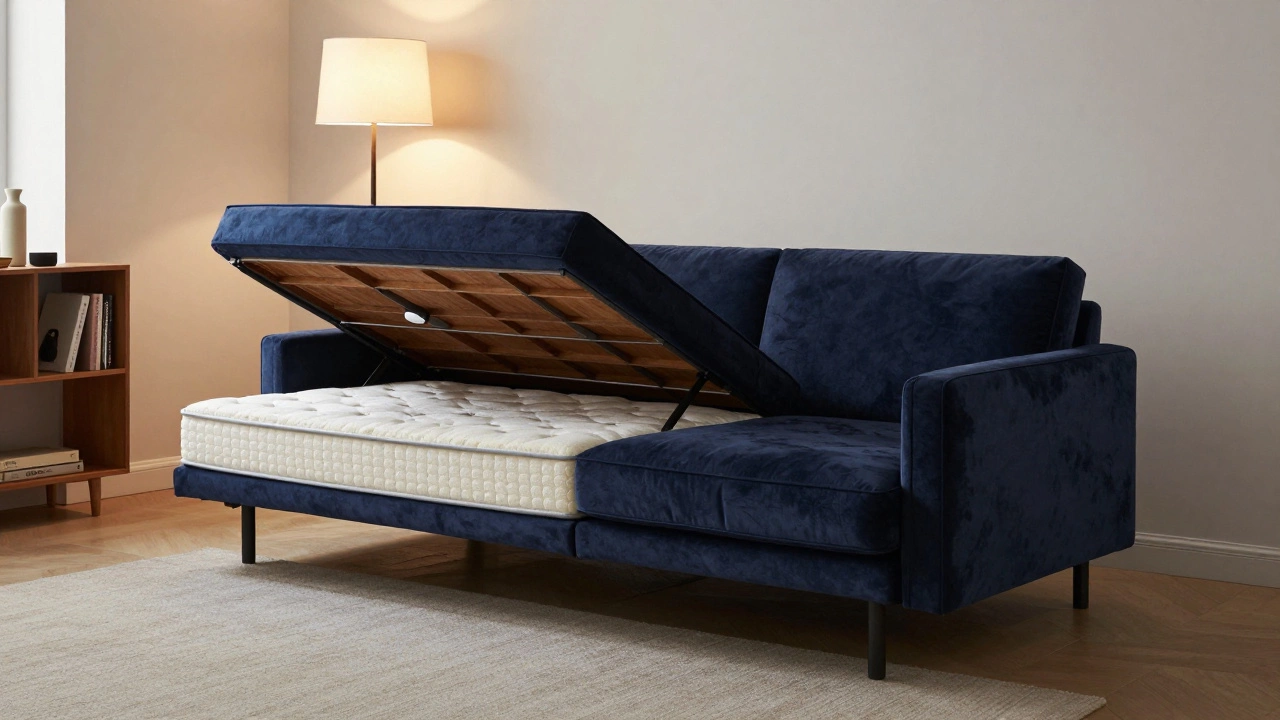
A dreamer couch is another name for a sofa bed - a piece of furniture designed to function as both a regular sofa and a sleeping surface. It’s built with a hidden frame and mattress system that folds or pulls out when needed. Unlike old, lumpy sleeper sofas from the ’90s, modern dreamer couches use high-density foam, innerspring coils, or memory foam mattresses that feel just as comfortable as a real bed.
The term "dreamer couch" isn’t official industry jargon - it’s more of a marketing term used by retailers to make the product sound inviting. But it sticks because it captures the idea perfectly: this isn’t just a couch you sit on. It’s a couch that helps you rest, recharge, and even dream.
How Does a Dreamer Couch Work?
There are three main mechanisms behind how a dreamer couch transforms:
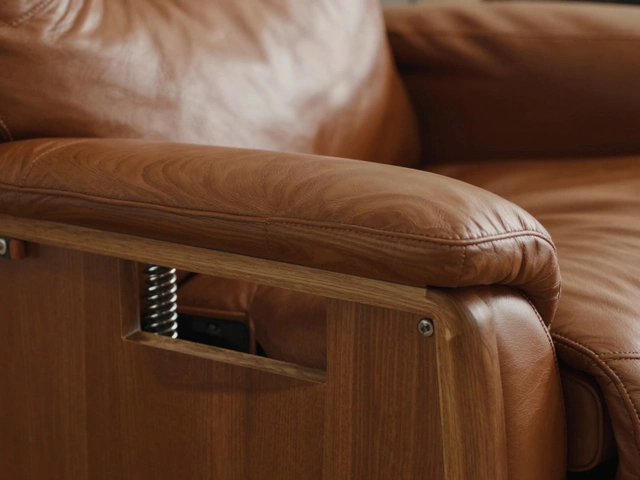
- Pull-out mechanism - The most common type. A mattress slides out from under the seat on metal rails. You pull a handle, the frame extends, and the backrest folds down to create a flat sleeping surface.
- Fold-out (sofa bed) mechanism - The entire seat cushion flips down, and the backrest lowers to meet it. This creates a seamless sleeping area without gaps.
- Click-clack or wall-hugger - A hybrid design. You simply flip the backrest down and click it into place. It doesn’t need to move far from the wall, making it ideal for tight spaces.
Each type has pros and cons. Pull-out styles often have thicker mattresses but require more floor space. Click-clack models are easier to operate and stay close to the wall, but the mattress might be thinner. If you’re buying one, test how smoothly it opens and whether the frame wobbles when you sit on it.
Why People Love Dreamer Couches
Millions of people in the UK alone rely on dreamer couches. Why? Here’s what makes them so popular:
- Space-saving - In a studio flat in Leeds or a tiny city apartment, every square foot counts. A dreamer couch eliminates the need for a separate guest bed.
- Cost-effective - Buying a sofa and a bed separately can cost over £1,500. A quality dreamer couch runs between £400 and £900.
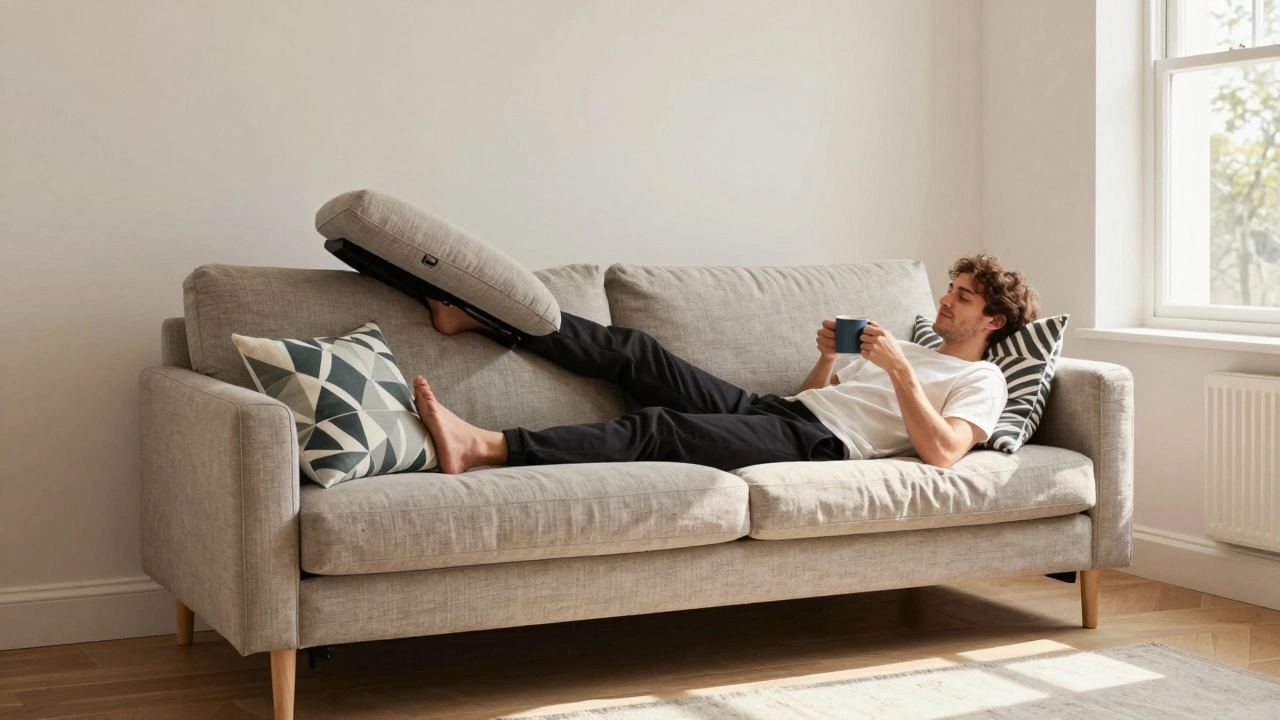
- Guest-ready - Whether it’s your sister visiting for the weekend or your coworker stuck after a late shift, you can host without rearranging the whole room.
- Modern design - Gone are the days of beige vinyl and clunky frames. Today’s dreamer couches come in velvet, linen, and top-grain leather. You’ll find sleek mid-century styles, modern sectionals, and even modular designs.
According to a 2025 survey by the British Furniture Confederation, 68% of urban renters under 35 own a sofa bed. The number jumps to 81% for those living in spaces under 500 square feet.
Dreamer Couch vs. Regular Sofa vs. Futon
It’s easy to confuse a dreamer couch with a futon or a regular sofa. Here’s how they stack up:
| Feature | Dreamer Couch | Regular Sofa | Futon |
|---|---|---|---|
| Converts to bed? | Yes, with hidden frame | No | Yes, but often flimsy |
| Mattress quality | High-density foam or innerspring | N/A | Thin cotton or foam |
| Comfort (sitting) | Excellent | Excellent | Good to fair |
| Comfort (sleeping) | Very good to excellent | N/A | Fair to poor |
| Space needed to open | 12-24 inches | N/A | 36+ inches |
| Price range (UK) | £400-£900 | £500-£1,200 | £200-£600 |
Bottom line: A dreamer couch beats a futon in comfort and durability. It’s not quite as plush as a premium sofa, but the trade-off is worth it if you need sleep space.
What to Look for When Buying One
Not all dreamer couches are created equal. Here’s what to check before you buy:
- Frame material - Solid wood or steel frames last longer than particleboard. Look for reinforced joints.
- Mattress thickness - Aim for at least 5 inches. Anything thinner will feel like sleeping on the floor.
- Opening mechanism - Test it. It should glide smoothly without squeaking or catching.
- Weight capacity - Most support 300-400 lbs. If you’re planning to use it for two people regularly, check the specs.
- Upholstery - Performance fabrics like microfiber or Crypton resist stains. Avoid silk or uncoated cotton if you have kids or pets.
- Warranty - A good one covers the frame for 5+ years and the mechanism for 2+ years.
Pro tip: Buy one with removable, machine-washable covers. You’ll thank yourself when coffee spills or pet hair builds up.

Best Uses for a Dreamer Couch
These aren’t just for occasional guests. Here are real-life scenarios where a dreamer couch shines:
- Studio apartments - Combine living, dining, and sleeping areas in one room.
- Home offices - Use it as a couch during the day, a guest bed at night. No need to clear out space.
- Children’s rooms - Perfect for sleepovers. Many models now come with fun patterns or colors.
- Second homes - A cottage or holiday let can offer overnight guests without extra furniture.
- Small families - If your kids are young, a dreamer couch gives you a flexible sleeping option without buying a full guest room setup.
In Leeds, where rental prices are rising and space is tight, dreamer couches are becoming the default choice for new renters. Local furniture stores like Leeds Sofa Co. and Urban Nest report a 40% increase in sales over the last two years.
Common Myths About Dreamer Couches
Let’s clear up a few misconceptions:
- Myth: They’re uncomfortable to sleep on. - False. High-end models now use memory foam or pocketed coils. Many people say they sleep better on their dreamer couch than their old bed.
- Myth: They’re hard to open. - Older models were clunky. New ones have gas-assisted lifts, soft-close hinges, and ergonomic handles.
- Myth: They look ugly. - Not anymore. Brands like IKEA, Made.com, and even designer labels like “Casper” and “Saatva” now make sleek, stylish versions.
- Myth: They wear out fast. - With proper care, a good dreamer couch lasts 8-12 years. The mechanism is the weakest part - but if you avoid jumping on it or forcing the frame, it’ll last.
How to Care for Your Dreamer Couch
Keep it looking and feeling new:
- Rotate the mattress every 3-6 months to prevent sagging.
- Use a fabric protector spray if it’s not stain-resistant.
- Don’t overload it with heavy pillows - they can block the opening mechanism.
- Vacuum under the frame monthly to keep dust from jamming the rails.
- Never use sharp objects near the zipper or seams.
And if you notice the frame creaking or the mattress dipping, contact the manufacturer. Most warranties cover repairs or replacements for mechanical issues.
Is a dreamer couch the same as a sofa bed?
Yes, they’re the same thing. "Dreamer couch" is just a branded or marketing term used by some retailers to make the product sound more inviting. Functionally, it’s identical to a sofa bed - a piece of furniture that converts from a sofa to a bed.
Can a dreamer couch be used every night?
Absolutely. Many people use their dreamer couch as a primary bed, especially in studio apartments or small homes. Just make sure it has a thick, supportive mattress (at least 5 inches) and a sturdy frame. High-quality models are built for daily use - not just occasional guests.
What’s the best material for a dreamer couch?
For durability and ease of cleaning, performance fabrics like microfiber, Crypton, or solution-dyed polyester are top choices. Leather is luxurious and long-lasting but requires more upkeep. Avoid uncoated cotton or silk if you have pets, kids, or spills.
Do dreamer couches come in different sizes?
Yes. Most are available in twin, full, and queen sizes. Twin is ideal for small spaces or single sleepers. Full is the most common and fits most adults comfortably. Queen models are great for couples but need more room to open and close.
How much space do I need to open a dreamer couch?
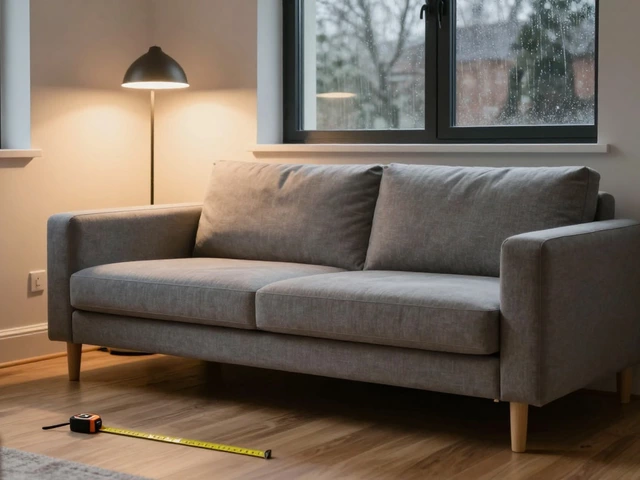
Most pull-out styles need 12-24 inches of clearance in front. Click-clack models require almost no space - they open right against the wall. Always measure your room before buying. A couch that doesn’t open fully is useless.
Are dreamer couches good for back pain?
It depends. A high-quality dreamer couch with a supportive mattress and firm frame can be better than a saggy regular bed. Look for models with memory foam or innerspring cores. Avoid thin, flat mattresses - they offer little spinal support. If you have chronic back issues, test it in-store or choose one with a trial period.
If you’re looking for comfort, flexibility, and smart design, a dreamer couch is one of the smartest furniture investments you can make. It’s not just a sofa that turns into a bed - it’s a smarter way to live in a world where space is limited and needs are changing.