Floor-to-Ceiling Bookshelf Cost Estimator
Estimate your project costs based on current 2026 UK market rates. Adjust the inputs to reflect your specific situation.
Estimated Project Breakdown
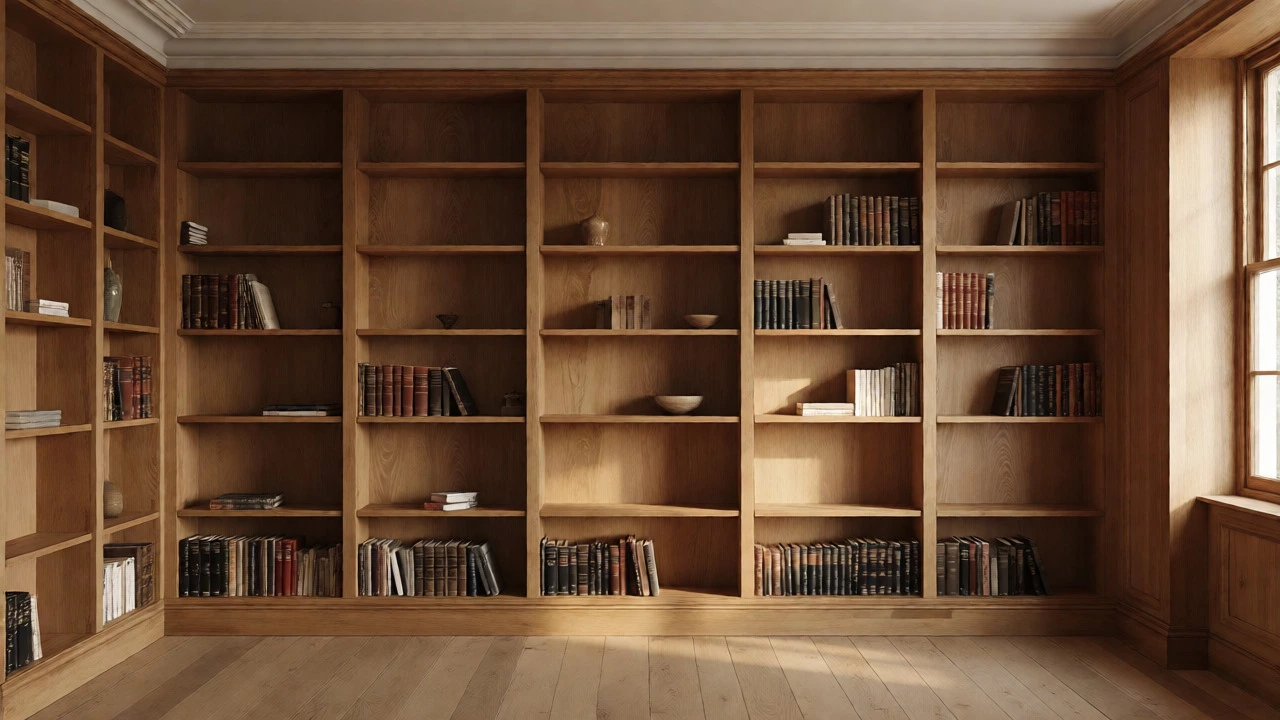
Imagine walking into a room and seeing your entire library displayed in a seamless, architectural feature that stretches from the skirting board right up to the plaster. It looks expensive, doesn't it? But here is the secret most homeowners miss: floor-to-ceiling bookshelves are often cheaper than buying high-end freestanding units, provided you know where to cut costs. The average UK homeowner spends between £400 and £1,500 per wall for this transformation, but that number swings wildly depending on whether you choose DIY kits or bespoke joinery.
Before you start measuring, you need to understand what drives the price tag. It isn't just about the wood. It’s about labour, materials, and the structural integrity of your walls. In Leeds, where I’ve seen everything from Victorian terraces with uneven floors to modern new-builds with perfectly straight lines, the variability is huge. This guide breaks down exactly what you’ll pay in 2026, how to save money without looking cheap, and when it’s worth paying a pro.
The Real Cost Breakdown: Materials vs Labour
Most people fixate on the price of timber, but labour usually eats up 40-60% of your budget. If you hire a local carpenter, expect to pay between £250 and £350 per day. A standard floor-to-ceiling unit on one wall typically takes two days to build and install if you’re doing it from scratch, or one day if you’re installing pre-made carcasses.
Let’s look at the material costs. You have three main tiers:
- Budget (IKEA Kallax or similar): £80-£150 per unit. These are particleboard, not solid wood. They look great when painted but can sag under heavy books over time.
- Mid-Range (Pre-finished MDF or Pine): £200-£400 per linear meter. Better durability, smoother finish, easier to paint.
- High-End (Solid Oak, Walnut, or Bespoke Joinery): £600-£1,200+ per linear meter. Solid wood lasts generations, resists warping, and adds genuine value to your home.
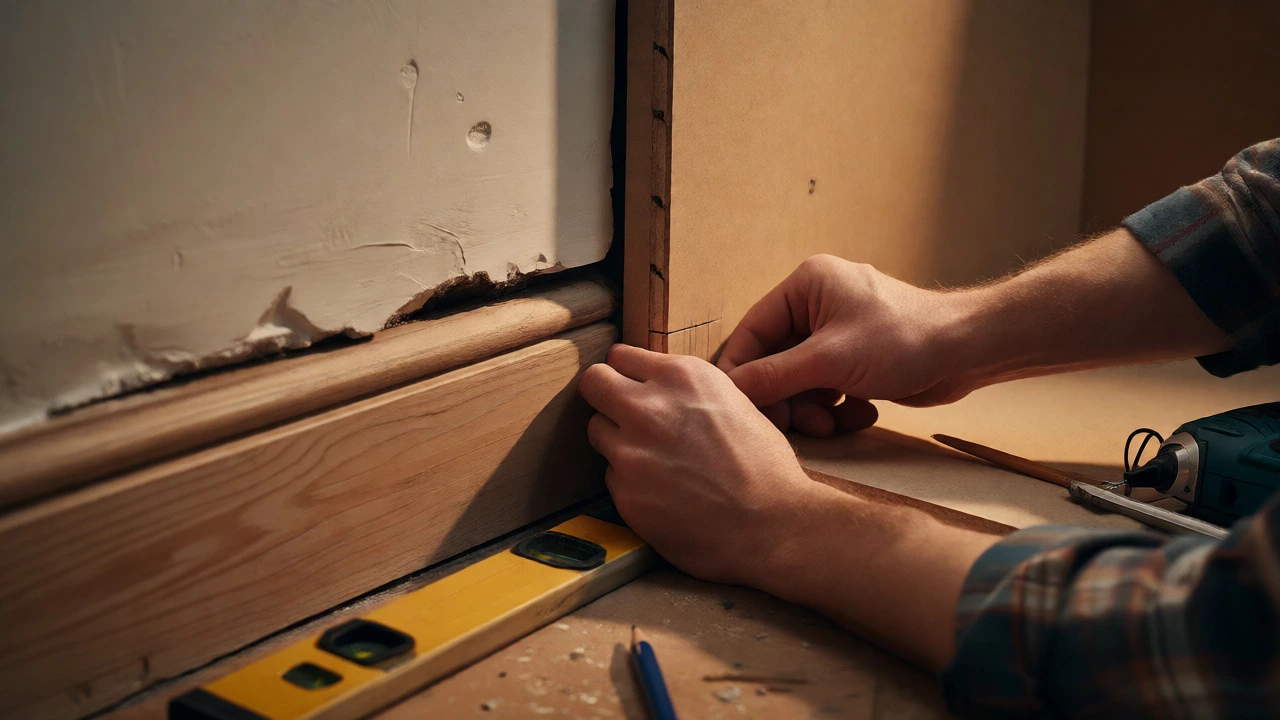
If you go the DIY route with flat-pack furniture, you can get a full wall done for under £500. But be warned: achieving that "built-in" look requires precise cutting and scribing to fit around skirting boards and architraves. If you aren’t confident with a jigsaw and a spirit level, factor in an extra £150-£200 for a handyman to make it look professional.
DIY vs Professional Installation: Where Should You Spend?
Should you do it yourself? It depends on your skill level and how much you value your weekends. Installing floor-to-ceiling shelves involves working at height, dealing with potentially unstable walls, and ensuring the structure is anchored securely. One mistake could mean a shelf collapsing under the weight of your encyclopedias.
Here is a quick decision matrix to help you choose:
| Factor | DIY Approach | Professional Joiner |
|---|---|---|
| Total Cost (1 Wall) | £300 - £600 | £800 - £2,000+ |
| Time Commitment | 2-3 Weekends | 1-2 Days |
| Finish Quality | Good (if skilled), Variable | Seamless, Architectural |
| Risk Factor | High (Sagging, Poor Fit) | Low (Guaranteed Work) |
| Best For | Renters, Budget Renovators | Homeowners, High-Value Properties |
If you live in a rental property, stick to modular systems like IKEA Besta or Billy hacks. You can anchor them to the wall for safety, but you won’t lose your deposit. If you own your home and plan to stay for five years or more, investing in bespoke joinery pays off. Estate agents in the North of England consistently report that well-executed built-ins increase perceived property value by 2-5%.
Hidden Costs That Blow Your Budget
You’ve priced the wood and the labour. Now add these sneaky extras that catch people off guard:
- Wall Preparation: Old houses rarely have straight walls. If your plaster is cracked or uneven, you might need to skim the wall before installing shelves (£100-£200).
- Electrical Relocation: Want integrated LED strip lighting? Moving a socket or running new wiring behind the shelves costs £80-£150 per point via a qualified electrician.
- Painting: Don’t forget the primer and topcoat. Painting a large shelving unit takes time and quality paint (£50-£100 for materials).
- Anchoring Hardware: Standard plugs often fail with heavy loads. Use chemical anchors or toggle bolts for masonry walls (£10-£20 extra).
I once helped a friend in Headingley who forgot about the skirting boards. He bought standard-height shelves, only to realize they wouldn’t sit flush against the wall because of the protruding skirting. He ended up paying a carpenter £150 to scribe the sides-a job he could have avoided with proper planning.
Material Choices: What Lasts and What Warps
Not all wood is created equal. If you’re storing hardbacks, paperbacks, and decorative objects, you need strength. Here’s what works best in 2026:
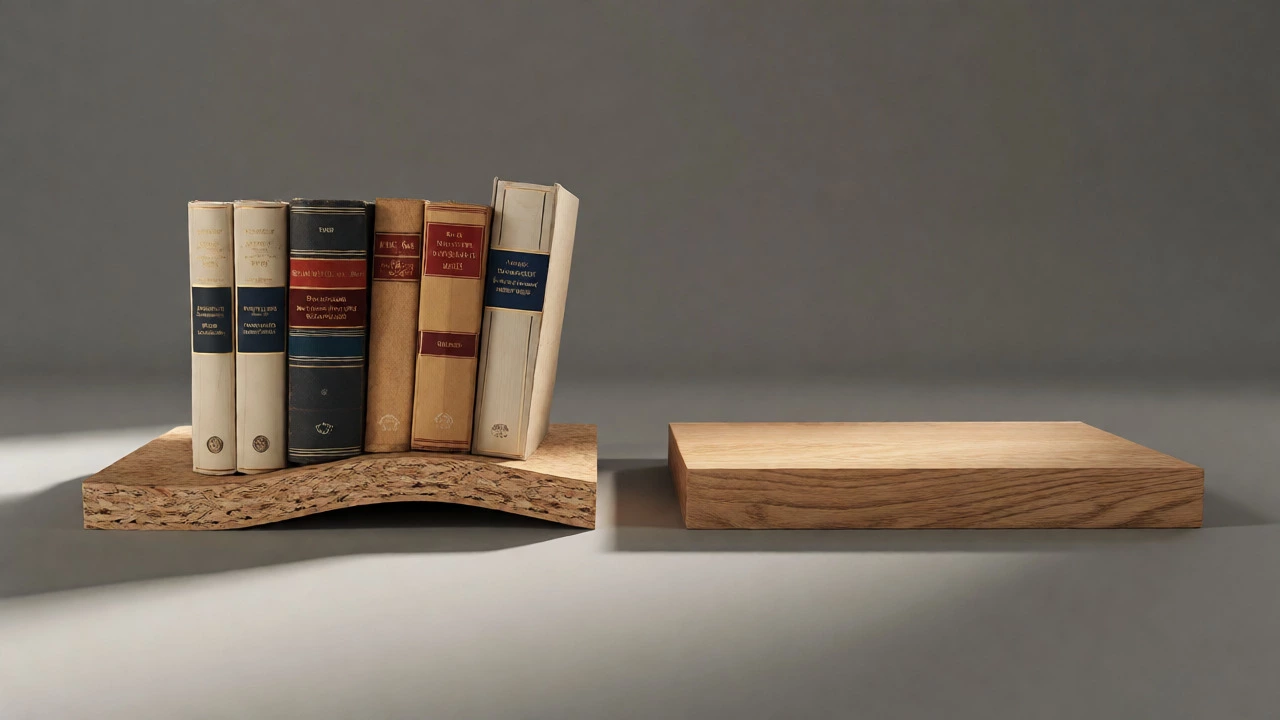
- MDF (Medium Density Fibreboard): Cheap, smooth, and paints beautifully. However, it sags over spans longer than 70cm unless reinforced with a metal edge or thicker depth (25mm+). Ideal for light collections.
- Pine: Affordable and strong, but has visible knots and grain. It yellows over time unless sealed properly. Great for rustic or cottage-style homes.
- Oak: The gold standard. Expensive upfront (£600+ per meter) but incredibly durable. It doesn’t sag easily and looks stunning stained or waxed. Adds real character.
- Plywood: Surprisingly stylish when finished with iron-on edging. Strong and stable, but edges need careful finishing to look premium.
A common mistake is using 18mm MDF for deep shelves holding heavy art books. Within a year, those shelves bow. For anything deeper than 30cm, use 25mm material or add a support bracket underneath.
Design Tips to Maximize Value
You don’t need to fill every inch with expensive wood. Mix materials to save cash. For example, use solid oak for the bottom three shelves (where heavy items sit) and MDF for the upper shelves (where lighter items go). This hybrid approach cuts costs by 30% while maintaining visual consistency.
Consider the layout too. Asymmetrical designs feel more modern and less boxy. Leave gaps for display items rather than filling every slot with books. And remember: lighting transforms a boring shelf into a feature. Battery-operated LED strips cost £20 and make a huge difference. Hardwired LEDs look cleaner but require an electrician.
Finally, think about access. Floor-to-ceiling means you need a step ladder for the top shelf. If you hate climbing ladders, consider stopping at 2 meters instead of going all the way to the ceiling. It saves money on materials and makes daily use easier.
Frequently Asked Questions
Can I install floor-to-ceiling bookshelves in a rented flat?
Yes, but avoid drilling into the ceiling if possible. Use tension poles or secure the top of the unit to the wall studs with minimal holes. Modular systems like IKEA Billy are popular because they can be stacked and secured with anti-tip straps, which landlords usually accept as long as you patch the holes when you leave.
Do built-in bookshelves add value to my home?
Generally, yes. Well-designed built-ins appeal to buyers who want immediate storage solutions without buying separate furniture. However, poor-quality DIY jobs can detract from value. Ensure the finish is seamless and matches the room’s aesthetic. In competitive markets like London or Manchester, high-quality joinery can recoup 50-70% of its cost upon sale.
How deep should bookshelf shelves be?
Standard depth is 25-30cm. This fits most hardbacks and paperbacks comfortably. If you’re storing oversized art books or displaying decorative objects, go for 35-40cm. Deeper shelves require stronger supports to prevent sagging, especially with heavier materials like MDF.
Is it cheaper to buy ready-made or custom-built?
Ready-made is cheaper upfront but may not fit perfectly. Custom-built costs more but maximizes space utilization and aesthetic appeal. For irregular walls or alcoves, custom-built is often more cost-effective in the long run because you avoid wasting space with ill-fitting units.
How do I prevent shelves from sagging?
Use thicker material (25mm+) for spans over 70cm, add a front edge banding of solid wood for rigidity, or install a hidden metal rail underneath. Avoid placing very heavy items in the center of unsupported spans. Regularly check and tighten screws, as vibration can loosen fittings over time.