Sofa Comfort Match Finder
Answer three quick questions to discover which top-tier brand best matches your unique comfort needs.
Comfort Profile
Description of why this brand fits you.
There is a specific feeling you get when you sink into a high-quality seat. Your shoulders drop, your lower back aligns, and that tension in your neck just vanishes. It’s not magic; it’s engineering. But finding that perfect balance of support and softness can feel like searching for a needle in a haystack of marketing buzzwords. You’ve likely seen ads promising "cloud-like" comfort, only to buy a sofa that feels like sitting on a firm pillow after two weeks.
The truth is, comfort isn't one-size-fits-all. What works for a tall person who likes firm support might be too rigid for someone who prefers to lounge deeply. To find out who makes the most comfortable sofas, we need to look past the fabric swatches and examine the internal architecture: the frame, the foam, and the springs. This guide breaks down the top manufacturers known for delivering genuine, long-lasting comfort, along with the technical specs that actually matter.
Key Takeaways
- Comfort is structural: The best sofas combine high-density foam (1.8+ lbs/ft³) with resilient spring systems or high-resilience polyurethane cores.
- Brand specialization matters: Some brands excel at deep-seating loungers, while others focus on structured, upright designs for better posture.
- Material longevity equals comfort: A sofa that loses its shape in six months becomes uncomfortable quickly. Look for warranties of 5+ years on cushions.
- Personal fit varies: Height, weight, and preferred sleeping/lounging positions dictate which "comfort style" suits you best.
Understanding the Anatomy of Comfort
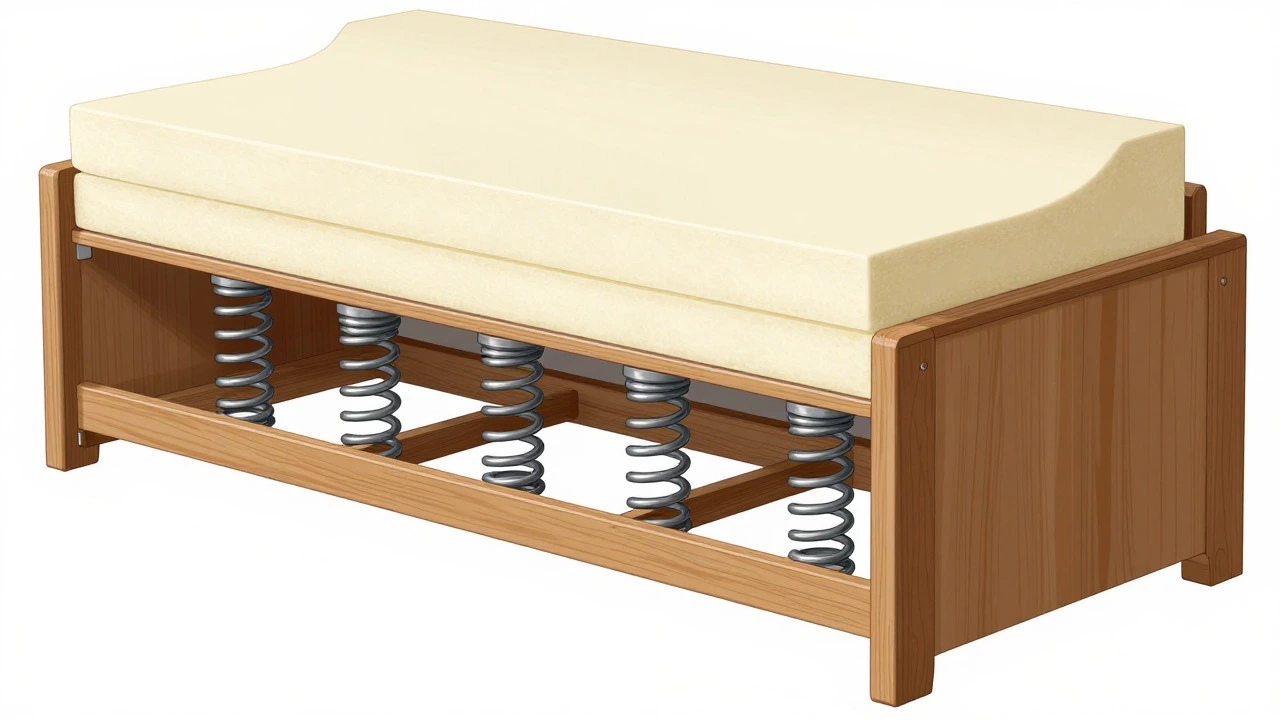
Before we name names, let's talk about what actually makes a sofa comfortable. If you strip away the velvet or leather exterior, you’re left with three critical components: the frame, the suspension, and the cushioning. Each plays a distinct role in how the piece feels under your body weight.
The frame provides the skeleton. Kilted corners and corner-blocked joinery prevent creaking and sagging over time. If the frame flexes, the comfort degrades. Next comes the suspension system. Traditional sinuous springs offer bounce and resilience, while modern webbing or no-spring constructions rely heavily on the quality of the foam above them. Finally, there is the cushioning. This is where the real debate happens. Low-density foam feels plush initially but compresses permanently within a year. High-density foam feels firmer at first but maintains its integrity for years.
The core component of any premium sofa is High-Density Polyurethane Foam. This material serves as the primary cushioning layer, providing both initial softness and long-term structural support. Unlike standard foam, which has a density below 1.5 lbs/ft³, high-density variants typically range from 1.8 to 3.0 lbs/ft³. Higher density correlates directly with slower compression rates, ensuring the seat depth remains consistent even after thousands of hours of use.
Top Brands Known for Superior Seating Comfort
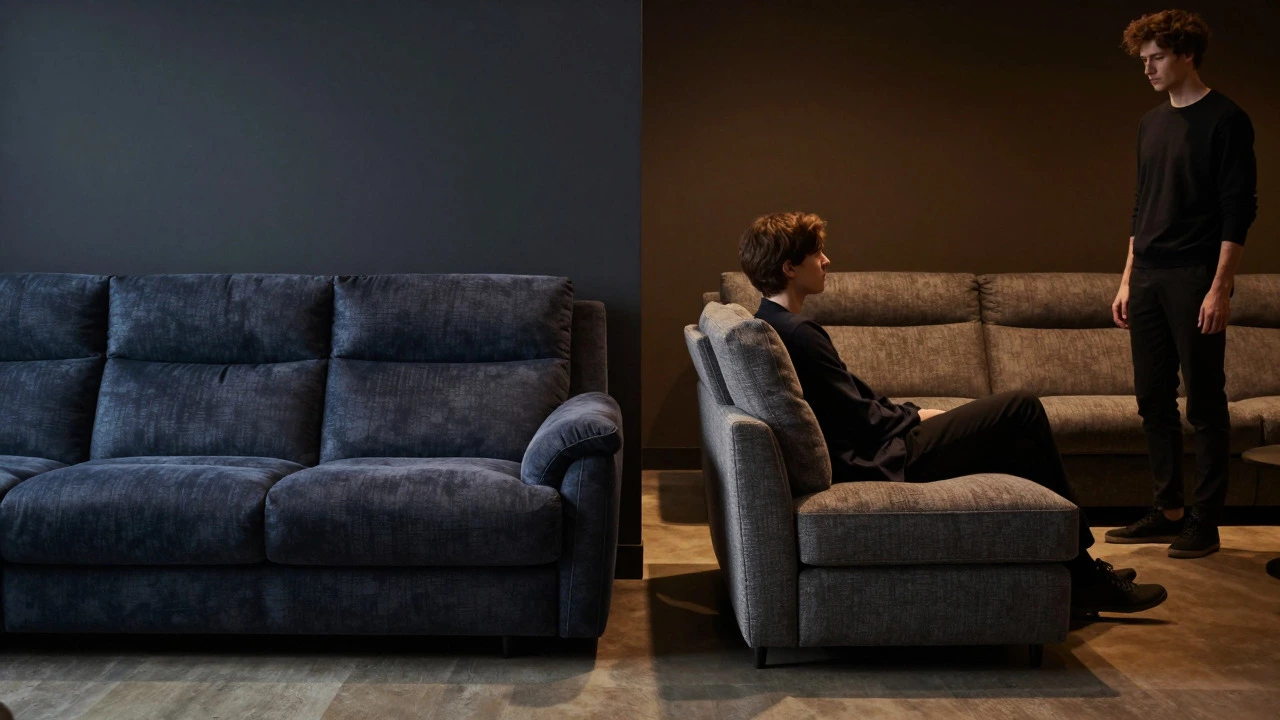
Based on consumer feedback, durability tests, and material specifications, several brands consistently rank at the top for comfort. However, "comfort" means different things to different people. Here is how the leading manufacturers approach this challenge.
Crate & Barrel: The Balance King
Crate & Barrel is widely recognized for its ability to strike a middle ground between firm support and soft yield. Their signature collections often use a combination of high-resilience foam and down-blend cushions. This hybrid approach gives you the initial "sink-in