Recliner Brand Matchmaker
Answer these 4 quick questions to find which recliner brand matches your lifestyle and priorities.
You sit down in a recliner expecting it to last. You want that deep sigh of relief when you kick back after a long day, not the creaking sound of failing mechanics or sagging foam. The question isn't just which brand looks nice; it's which company actually builds furniture that survives real life. "Best quality" is a slippery term. For some, it means hand-stitched leather that ages like whiskey. For others, it means a motor so quiet you can’t hear it running at midnight. To find the right answer, we need to look past marketing buzzwords and examine the engineering, materials, and longevity records of the top contenders.
The Gold Standard: La-Z-Boy
When people talk about recliners, La-Z-Boy is the most recognized name in the industry, known for its patented reclining mechanisms and widespread availability. Founded in 1927, this company didn't just enter the market; they essentially created the modern recliner category. Their claim to fame is the "Lazy Boy" mechanism, which allows for smooth, consistent reclining without the jerky motions found in cheaper models.
Why do they hold the title for many consumers? It comes down to consistency and service. La-Z-Boy has one of the largest dealer networks in North America. If your recliner breaks, you aren't stuck emailing a support bot in another continent; there’s likely a local shop that stocks the specific part you need. They offer various lines, from the budget-friendly Essentials series to the premium Signature Collection. The Signature line uses higher-density foams and better-grade fabrics, making it a solid choice if you want durability without breaking the bank entirely. However, their mid-range models can sometimes feel plasticky in the armrests, so stick to the higher tiers if longevity is your main goal.
The Luxury Contender: Leatherman Sofa & Chair
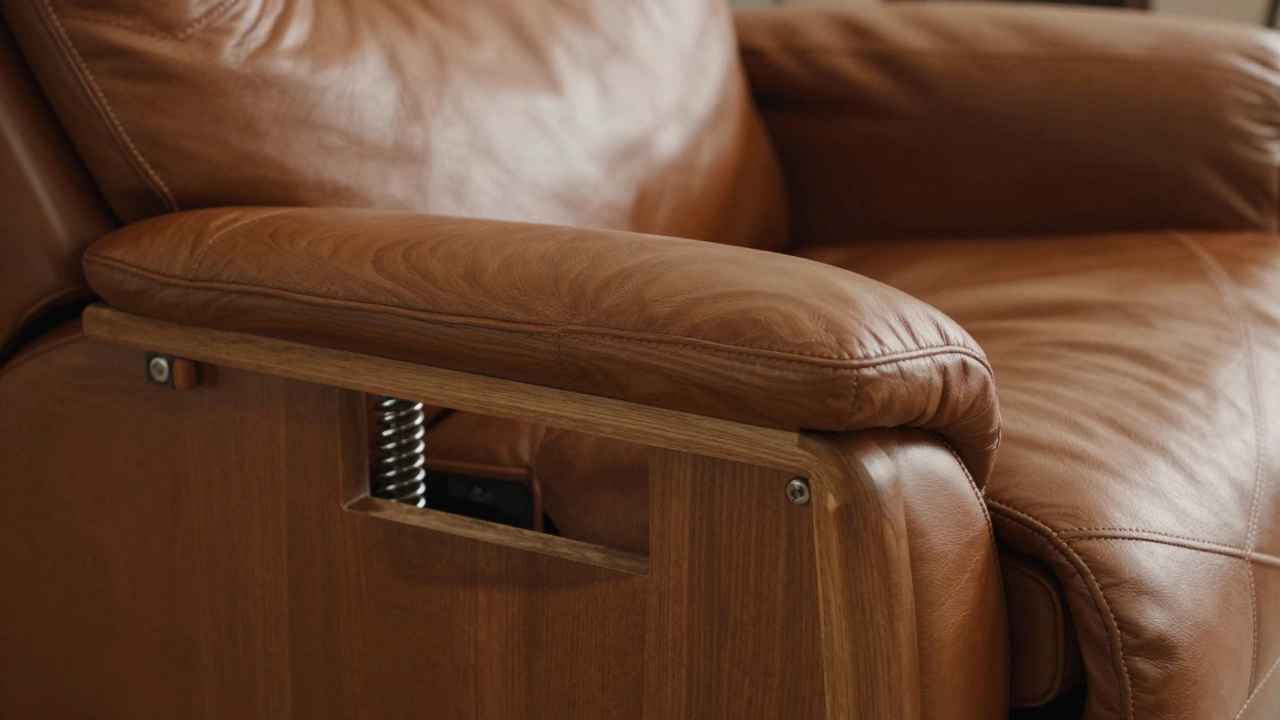
If your definition of quality involves full-grain leather and American craftsmanship, Leatherman Sofa & Chair is a high-end manufacturer based in Tennessee, specializing in premium leather recliners with traditional woodworking techniques. Unlike mass-produced brands that ship flat-packed boxes, Leatherman builds each piece by hand. This means you’re paying for labor-intensive processes, but you get a product that feels substantial. The wood frames are typically hardwood, avoiding the particleboard shortcuts seen in entry-level furniture.
Their recliners are heavy. And that weight is a good thing. It indicates solid construction. The leather they use is often thick and supple, designed to develop a patina rather than crack and peel after two years. This brand is ideal for buyers who view furniture as an heirloom investment. The downside? Price. You will pay a significant premium here. Also, because production is slower, lead times can be longer. If you need a chair next week, Leatherman might not be the answer, but if you want a recliner that outlasts you, they are hard to beat.
The Modern Minimalist: Hooker Furniture
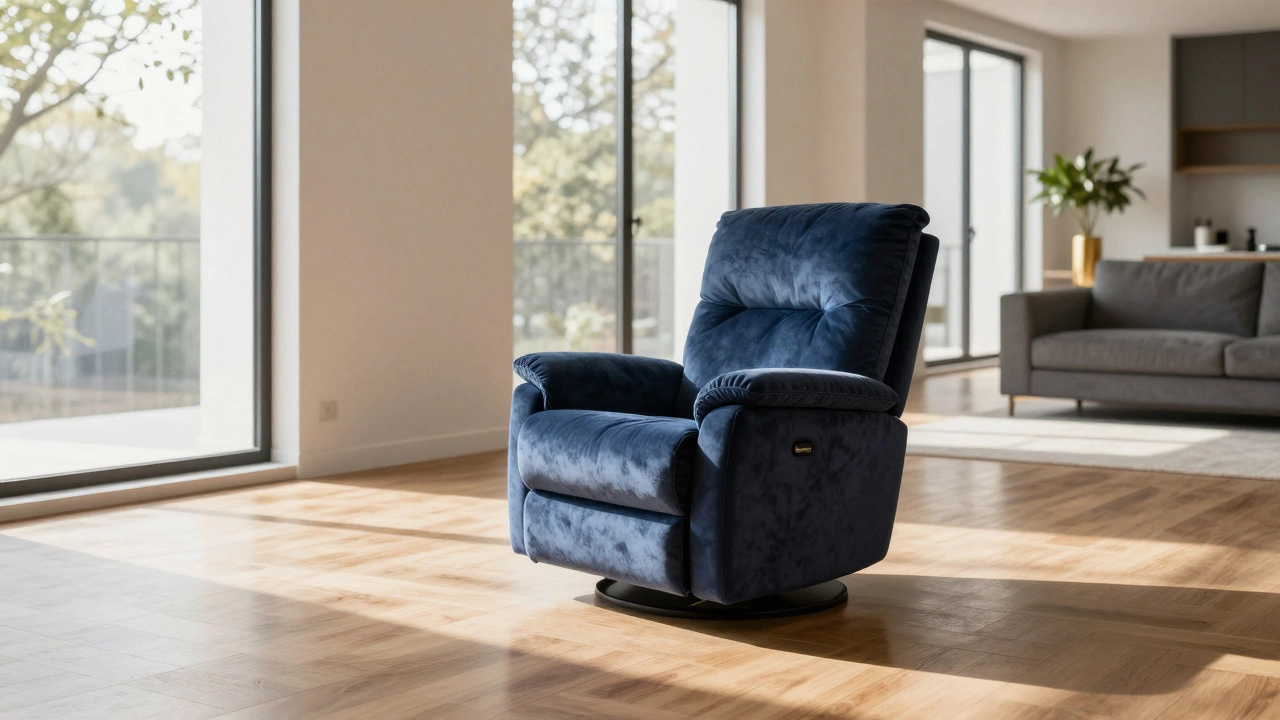
Not everyone wants a bulky, overstuffed chair. For those who prefer clean lines and contemporary aesthetics, Hooker Furniture is a well-established brand offering stylish, space-saving recliners with a focus on modern design and versatile fabrics. Hooker has mastered the art of the "hidden" recliner. Many of their models feature a sleek profile that doesn't scream "recliner" until you activate it. They excel in fabric technology, offering options that resist stains and wear, which is crucial for households with pets or kids.
Their build quality is robust, utilizing kiln-dried hardwood frames and high-resilience foam. What sets Hooker apart is their attention to detail in upholstery. The stitching is precise, and the fabric choices range from performance velvets to durable micro-suedes. If you have a smaller living room or an open-concept floor plan where bulk is the enemy, Hooker provides the best balance of form and function. Their motion mechanisms are generally reliable, though perhaps not as famously indestructible as La-Z-Boy’s older models.
The Ergonomic Expert: Catnapper
Sometimes, comfort trumps style. Catnapper is a brand focused on ergonomic support and plush comfort, often featuring wider seats and enhanced lumbar adjustments. As the name suggests, these chairs are designed for napping and extended lounging. They often incorporate features like zero-gravity positioning, which elevates your legs above your heart to reduce pressure on the spine. This is particularly beneficial for individuals with back pain or circulation issues.
Catnapper recliners tend to be softer and more cushioned than their competitors. While some purists argue that too much softness leads to faster sagging, Catnapper uses layered foam systems to mitigate this. Their power-recline options are extensive, including adjustable headrests and lumbar pillows. If your primary job-to-be-done is pain relief or maximum relaxation, Catnapper delivers exceptional value. Just be aware that their aesthetic leans towards traditional and cozy, which might not fit a ultra-modern loft.
Comparison Table: Top Recliner Brands
| Brand | Key Strength | Price Range | Best For | Warranty Note |
|---|---|---|---|---|
| La-Z-Boy | Mechanism reliability & Dealer network | $800 - $3,000+ | General families, ease of repair | Lifetime on frame/mechanism |
| Leatherman | Premium leather & Handcrafted build | $2,500 - $6,000+ | Luxury seekers, long-term investment | Lifetime limited warranty |
| Hooker | Modern design & Space efficiency | $1,200 - $4,000 | Small spaces, contemporary decor | Varies by collection |
| Catnapper | Ergonomics & Plush comfort | $1,000 - $2,500 | Back pain sufferers, nappers | Lifetime on structure |
| Flexsteel | Durability & Commercial grade | $1,500 - $4,500 | High-use areas, heavy users | Lifetime structural warranty |
Understanding What Makes a Recliner "Quality"
Before you drop thousands of dollars, you need to know what you're buying. A cheap recliner might look fine in the showroom, but the devil is in the details. Here are the three pillars of recliner quality:
- The Frame: Look for kiln-dried hardwood (oak, ash, or maple). Avoid particleboard or MDF, which swells and crumbles under humidity and stress. The joints should be double-doweled, corner-blocked, and screwed/glued, not just stapled.
- The Mechanism: This is the engine of the recliner. Power recliners use motors rated for tens of thousands of cycles. Manual recliners rely on metal levers and springs. Test the recline action multiple times in the store. It should be smooth, with no grinding noises or sticking points. A "one-touch" manual mechanism is superior to pull-cord styles for ease of use.
- The Cushioning: High-resilience (HR) foam is the gold standard. It bounces back quickly and resists permanent indentation. Low-density foam feels soft initially but flattens out within months. Look for cushions wrapped in fiber or down-blend for a luxurious feel without sacrificing support.

Budget-Friendly Alternatives That Don't Sacrifice Too Much
Not everyone has the budget for a Leatherman or a high-end La-Z-Boy. Does that mean you have to settle for junk? Not necessarily. Brands like Flexsteel is a manufacturer known for durable, commercial-grade furniture suitable for high-traffic home environments. and Thomasville is a classic furniture brand offering traditional designs with sturdy construction and widely available parts. offer strong mid-tier options. Flexsteel, in particular, markets itself on durability, often using components similar to those found in hospitality settings. Their warranties are competitive, and while their designs can be conservative, the build quality is undeniable for the price point.
For tighter budgets, IKEA offers modular seating solutions, but true recliners are rare. Instead, consider retailers like Ashley Furniture. While their lowest-priced items are disposable, their mid-range collections (often priced between $600-$900) provide decent comfort and acceptable durability for casual use. Just read the reviews carefully-focus on comments about the motor failing or the frame squeaking after six months.
Common Pitfalls to Avoid
Buying a recliner online without sitting in it is risky. Sizes vary wildly between brands. A "standard" seat depth in one brand might be shallow in another. Always check the dimensions against your body measurements. If you are tall, ensure the leg rest extends far enough. If you are shorter, make sure you can reach the footrest comfortably without straining.
Another pitfall is ignoring the power requirements. Power lift and recline chairs need outlets nearby. If your wall is behind the sofa, you’ll need an extension cord, which creates a tripping hazard. Plan your layout beforehand. Also, consider the clearance space. Most recliners need 10-15 inches of space behind them to fully extend. Measure your room before you buy.
Maintenance Tips to Extend Lifespan
Even the best recliner will fail if neglected. Vacuum crevices weekly to prevent dust and debris from jamming the mechanical tracks. For leather, apply a conditioner every six months to keep it supple. For fabric, use a protector spray like Scotchgard to repel spills. If you have a power recliner, unplug it during thunderstorms to protect the electronics from surges. These small habits can add years to your chair's life.
Which recliner brand lasts the longest?
Brands like La-Z-Boy and Leatherman are renowned for longevity due to their lifetime warranties on frames and mechanisms. La-Z-Boy's extensive dealer network also ensures easier repairs, extending the usable life of the chair.
Are expensive recliners worth the extra cost?
Yes, if you plan to keep the chair for more than five years. Higher-priced models use better foams that don't sag, stronger woods that don't warp, and quieter, more reliable motors. Cheap recliners often require replacement within 3-4 years, costing more in the long run.
What is the difference between a manual and power recliner?
Manual recliners use levers or pulls to engage the mechanism, requiring physical effort. Power recliners use electric motors controlled by a remote or button, allowing for effortless adjustment and often including additional features like heating or massage.
How do I know if a recliner is made with high-quality materials?
Look for kiln-dried hardwood frames, high-resilience foam cushions, and tight webbing instead of elastic bands. Check the stitching for evenness and strength. For leather, ask if it is full-grain or top-grain, as these are more durable than bonded leather.
Can I return a recliner if it doesn't fit my space?
Policies vary by retailer. Many large chains allow returns within 30 days, but may charge a restocking fee. Always measure your doorways, hallways, and elevator sizes before delivery to ensure the chair can physically enter your home.