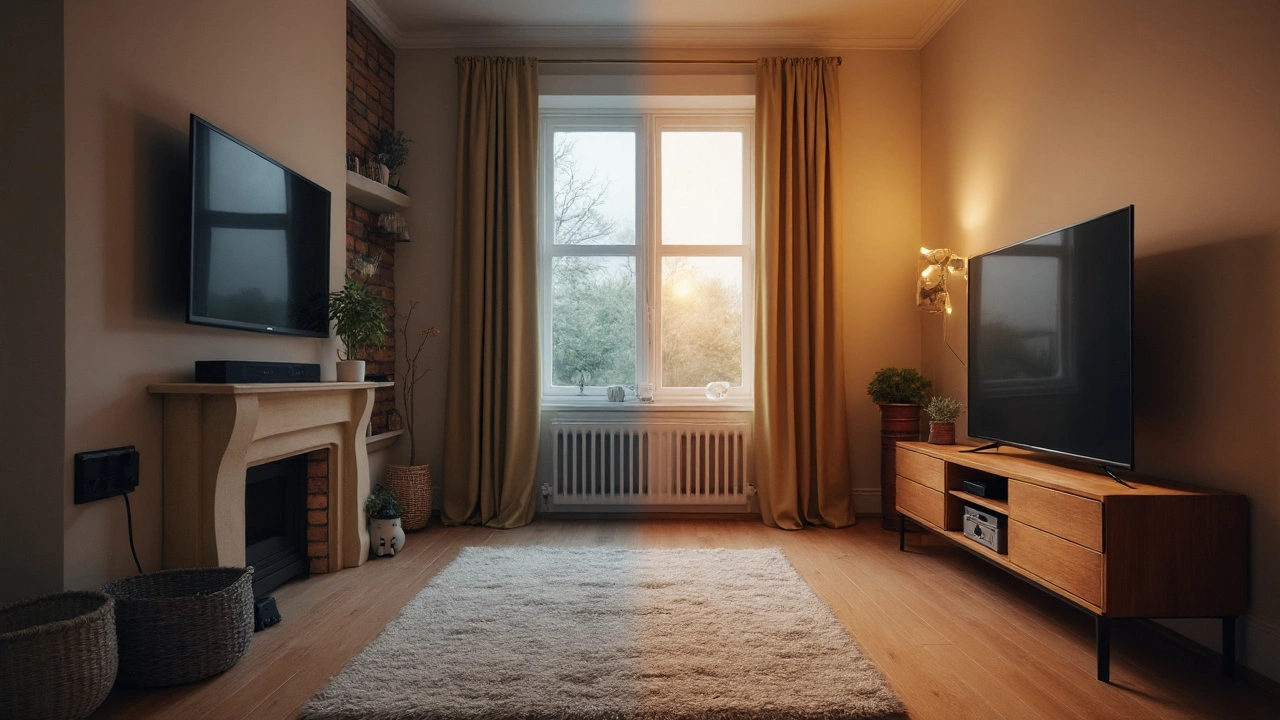
Wall Mount vs TV Stand: How to Choose the Right Setup
Ever stood in the furniture aisle wondering if you should drill holes in the wall or just buy a piece of wood to hold your TV? It’s a common dilemma, and the answer isn’t one‑size‑fits‑all. Your decision should depend on room size, viewing habits, style preference, and how much you want to spend.
Space Savings and Room Flow
A wall mount shaves off inches of floor space, which is a huge win in small apartments or tight living rooms. When the TV sits close to the wall, you get a cleaner line of sight and more room for sofas, coffee tables, or a rug. On the other hand, a TV stand adds a solid piece of furniture that can double as storage for consoles, DVDs, or décor. If you like hiding wires in a cabinet, a stand gives you that hidden‑away look without needing a professional install.
Installation, Safety, and Cost
Mounting a TV usually means hiring a pro or being comfortable with a drill, level, and studs. The cost can range from £50 for a basic kit to £200+ for a premium bracket and installation service. A TV stand is plug‑and‑play: you unpack, assemble, and it’s ready to go. Stands vary widely in price, but you can find quality options for under £100. Safety is another factor – a wall mount keeps the screen out of reach of curious kids and pets, while a low‑profile stand can be easier to move if you need to rearrange the room.
Viewing height matters, too. Experts say the center of the screen should be at eye level when you’re seated, typically about 42‑48 inches from the floor. A wall mount lets you fine‑tune the height precisely, especially if you have a tilting bracket. With a stand, you’re limited to the furniture’s preset height, which can be a problem if your couch is unusually low or high.
Design wise, wall‑mounted TVs create a modern, sleek vibe that works well in minimalist or high‑tech spaces. A stand adds warmth and can be a focal point, especially if you choose a piece with a unique finish or built‑in lighting. Some people even use the stand as a mini‑media hub, adding a lamp or decorative objects to create a curated look.
Ultimately, think about how you use the room. If you binge‑watch movies, need extra storage, and love a traditional feel, a TV stand is likely the better bet. If you want a clean wall, have limited floor space, and don’t mind a bit of installation work, go for the mount. Either way, make sure your choice supports comfortable viewing, keeps wires tidy, and matches your style.
Ready to decide? Measure your wall, check your studs, and compare the dimensions of a few stands. When you have the numbers, the choice becomes clear – and you’ll end up with a TV setup that looks great and works for you.