Furniture Negotiation Savings Calculator
Estimated Outcome
Enter details to see your estimated savings and best approach.
Picture this: you’ve found the perfect dining table. It’s solid oak, has that rustic charm you love, and fits your kitchen perfectly. But when you look at the price tag, it stings a little. Your first instinct might be to pay full price because, well, furniture isn’t exactly something you buy every day. But here’s the secret most shoppers miss: prices in the furniture industry are often flexible. Do you haggle when buying furniture? You should, if you know how.
Negotiating for a sofa or a bed frame feels different than haggling over clothes at a market. There’s an unspoken rule that high-ticket items have fixed prices, but that’s largely a myth, especially in independent shops, outlet centers, and even some big-box retailers during sales events. Learning to negotiate can save you hundreds, sometimes thousands, of pounds. Let’s break down exactly where you have leverage, what to say, and how to get that ‘yes’ without feeling awkward.
Where Can You Actually Negotiate?
Not every store is created equal when it comes to price flexibility. Understanding the business model of the retailer is your first step toward successful furniture negotiation.
| Retailer Type | Negotiation Difficulty | Best Strategy |
|---|---|---|
| Independent Boutiques | Easy | Build rapport; ask for a discount directly. |
| Outlet Centers | Moderate | Leverage clearance status; bundle items. |
| Big-Box Chains (e.g., IKEA) | Hard | Focus on damaged goods or bulk purchases. |
| Online Marketplaces (eBay/FB Marketplace) | Easy | Offer cash; highlight quick pickup. |
Independent furniture makers and small local shops operate on thinner margins but have more autonomy. The owner is often present, meaning you’re negotiating with the decision-maker. In contrast, large chains like IKEA or Wayfair use algorithmic pricing. A floor manager there rarely has the authority to drop a price by 10% unless it’s a clearance item. However, even big brands sometimes offer unadvertised discounts if you’re buying multiple pieces or if an item has been sitting on the floor for months.
The Psychology of Price: Why Sellers Say Yes
To negotiate effectively, you need to understand what motivates the seller. For a furniture store, inventory is cash tied up in space. A sectional sofa taking up prime floor real estate for six months is costing them money in storage and opportunity cost. If they can sell it today at a slight loss rather than waiting three more months for full price, they often will.
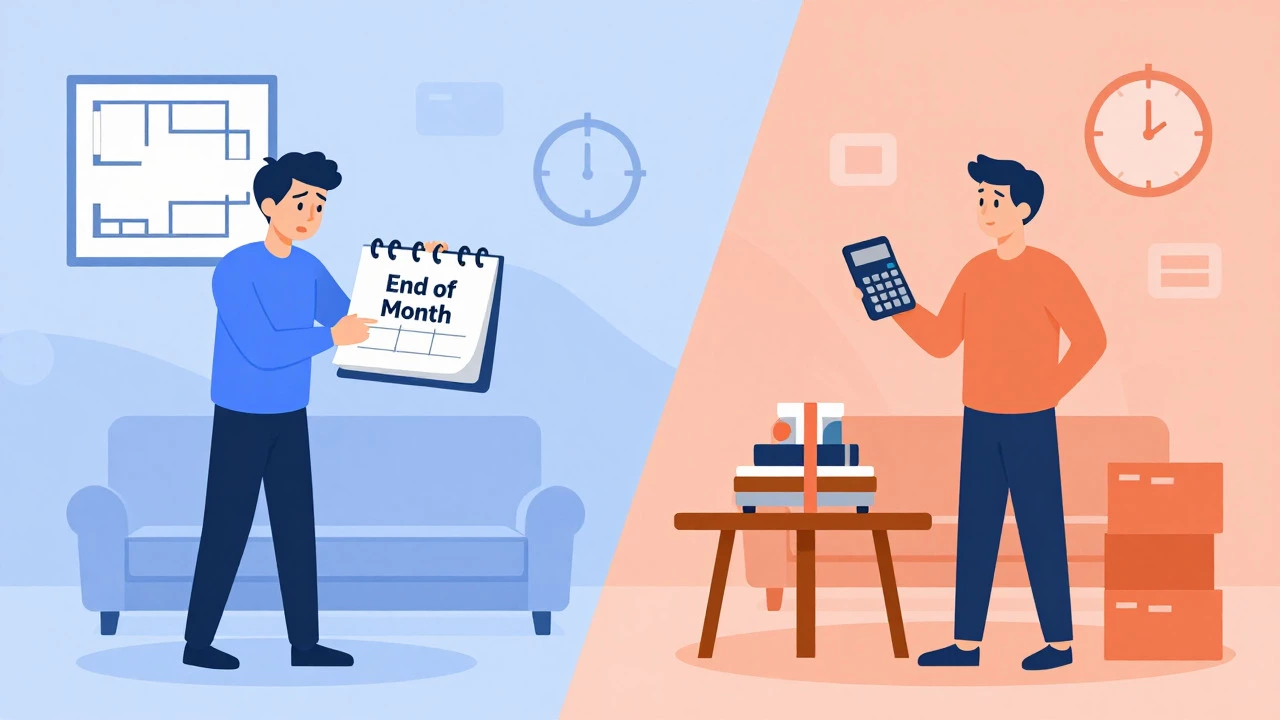
Sellers also fear losing the sale entirely. If you show genuine interest but express hesitation about the price, you trigger their retention instincts. They’d rather make a smaller profit now than no profit at all. This is why timing matters. End-of-month or end-of-quarter visits can work in your favor because sales staff may be pushing to hit targets. Ask politely, “Is this your best price?” or “Are there any promotions coming up I should wait for?” These questions signal you’re informed and willing to walk away.
5 Proven Tactics to Lower Your Furniture Bill
Walking into a store and demanding a discount usually backfires. Instead, use these strategic approaches to create value for both sides.
- The Bundle Deal: Buying just one item gives you less leverage. If you’re furnishing a whole living room, mention it early. “I’m looking to buy the sofa, coffee table, and TV stand. What’s the best package price you can do?” Bundling increases the transaction size, which makes the salesperson more likely to squeeze out a margin discount.
- The Cash Offer: Stores prefer credit card payments because of interchange fees and financing options, but cash is king in private sales. On Facebook Marketplace or Craigslist, offering immediate cash pickup is a massive incentive. For brick-and-mortar stores, paying upfront avoids processing fees, though the savings are minimal compared to online deals.
- The Flaw Finder: Inspect the item thoroughly. Is there a scratch on the armrest? A loose screw? A stain on the cushion? Pointing out minor defects gives you objective grounds to negotiate. “I noticed a small tear here. Would you consider a 15% discount given the condition?”
- The Competitor Comparison: Research similar items online before visiting. If you see a comparable chair for £200 less at another store, bring it up respectfully. “I saw a similar model at Store X for £X. Can you match or beat that price?” Many retailers have price-match policies, but not all advertise them aggressively.
- The Silence Technique: After stating your desired price, stop talking. Silence is uncomfortable, and sellers often fill it by offering concessions. If you say, “I was hoping to stay within £800,” and then wait, the pressure shifts to them to justify the higher price or lower it.
What Not to Say: Avoiding Negotiation Killers
Even the best strategy fails if your tone is off. Furniture shopping is personal; people want to help you find comfort. Being aggressive or rude will shut down any chance of a deal. Avoid these common pitfalls:
- Insulting the Product: Don’t say, “This is cheaply made.” Instead, focus on budget constraints. “It’s beautiful, but my budget is tight.”
- Anchoring Too Low: If a table costs £1,000, offering £300 shows you haven’t done your research. Aim for a realistic reduction, typically 10-20% below MSRP (Manufacturer's Suggested Retail Price).
- Threatening to Leave Immediately: While walking away is a valid tactic, doing it abruptly can burn bridges. Try, “Let me think about it and get back to you,” instead of slamming the door.

Negotiating Online vs. In-Store
The rise of e-commerce has changed how we buy furniture, but it hasn’t eliminated negotiation opportunities. In fact, digital channels offer unique advantages.
On platforms like eBay or Etsy, messaging the seller is standard practice. Craft a polite message explaining your interest and asking if they’re open to offers. For larger purchases, check if the site offers student discounts, military discounts, or newsletter sign-up codes-these stackable discounts act as indirect negotiation.
In-store, you have the advantage of physical presence. You can touch the fabric, test the recliner, and build a human connection. Salespeople are trained to close deals face-to-face. Use this to your benefit by engaging them in conversation. Ask about the craftsmanship, the materials, and their experience with the brand. Building rapport makes them more inclined to help you secure a better deal.
When to Walk Away
Knowing when to stop negotiating is crucial. If the seller holds firm after two counteroffers, it’s time to accept the price or leave. Pushing too hard can damage the relationship, which matters if you need delivery, assembly, or future warranty support. Also, consider the total cost of ownership. A slightly cheaper price from a store with poor customer service might cost you more in stress and repairs later.
Finally, remember that saving money shouldn’t compromise quality. Always inspect items carefully, read return policies, and ensure warranties are still valid after negotiation. Some stores void warranties if you buy through third-party resellers or heavily discounted outlets, so clarify this upfront.
How much can I typically save by haggling on furniture?
You can usually expect to save between 10% and 20% on new furniture from independent retailers or outlet stores. On used furniture from private sellers, savings of 20-40% are common. Big-box chains rarely offer direct discounts but may provide bundle deals or free delivery incentives.
Is it rude to negotiate at a furniture store?
Not if done politely. Most salespeople expect some level of negotiation, especially on high-ticket items. The key is to be respectful, do your research, and frame your request as a collaborative effort to reach a fair price rather than a demand.
Can I negotiate on clearance furniture?
Yes, clearance items are prime targets for negotiation. Since they’re already marked down, sellers are motivated to clear inventory quickly. You can often negotiate an additional 5-10% off the clearance price, especially if the item has been displayed for a long time.
What’s the best time of year to negotiate furniture prices?
End-of-season periods, such as January after the holidays and August before fall collections arrive, are ideal. Retailers want to make room for new stock, making them more open to discounts. Additionally, visiting on weekdays during slower hours can give you more attention and leverage.
Does negotiating affect the warranty?
Generally, no. Manufacturer warranties are tied to the product, not the purchase price. However, always confirm with the retailer that any negotiated discount won’t void store-specific guarantees or return policies. Get any agreements in writing before finalizing the purchase.