VESA Mount Basics: What You Need to Know
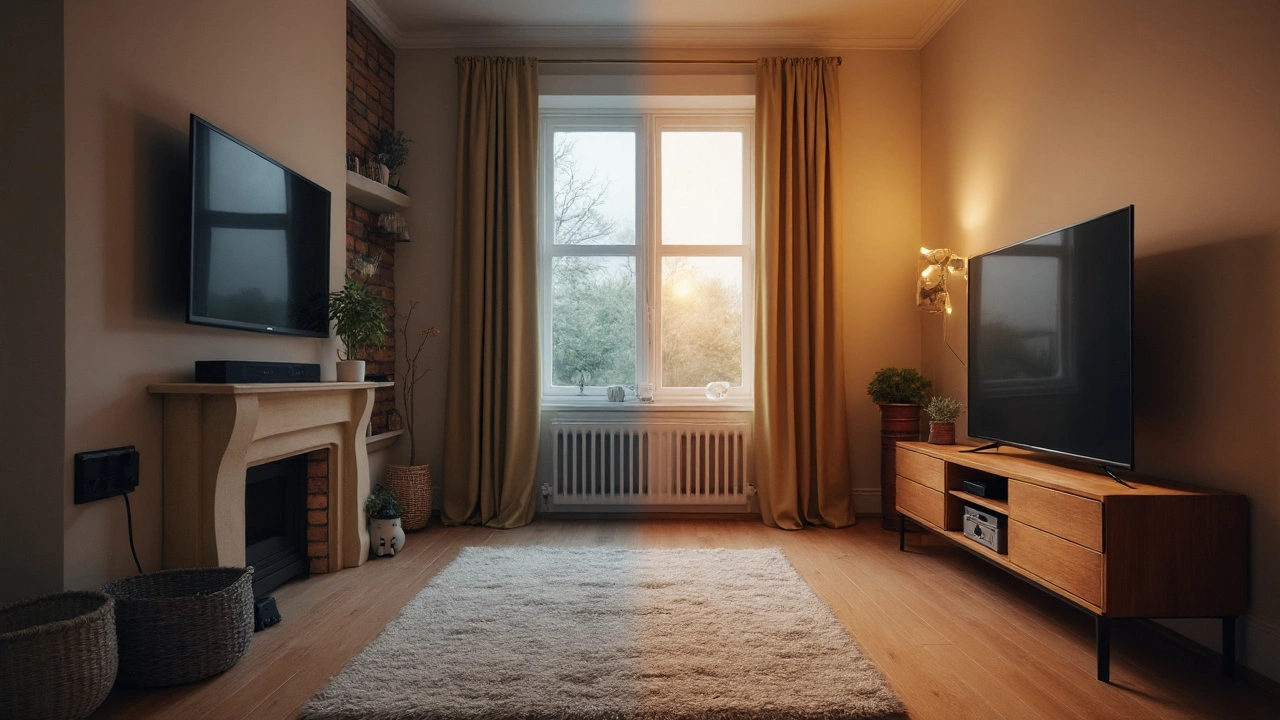
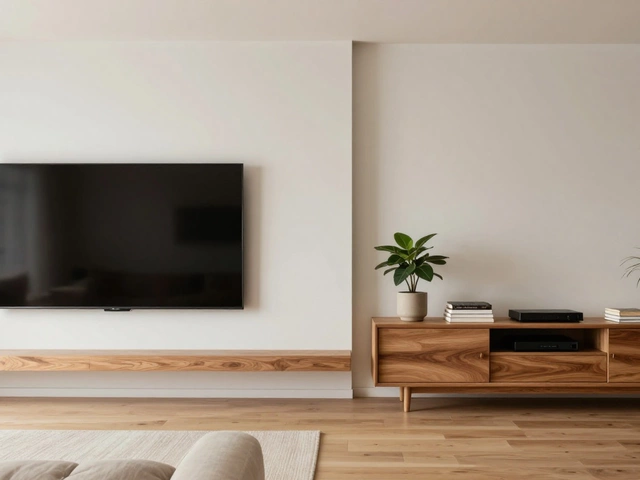
Ever wonder why some TVs seem to float on the wall while others sit on a bulky stand? The secret is often a VESA mount. VESA (Video Electronics Standards Association) is a set of holes on the back of your screen that lets you bolt it to a wall or arm. It’s not rocket science, but getting the right mount can save you space, improve viewing, and make a room look sleek.
Picking the Right VESA Mount for Your Space
First thing – check the VESA pattern on your TV or monitor. It’s usually written as two numbers, like 200x200 or 400x400, indicating the distance between the mounting holes in millimeters. Grab a ruler and count, or look at the spec sheet.
Next, think about weight. A cheap wall bracket might hold a 20‑inch monitor but will snap under a 55‑inch TV. Most mounts list a maximum weight – match that to your screen’s weight, which you can find in the manual.
Finally, decide on the type of movement you want. Fixed mounts keep the screen flat against the wall – great for a dedicated home theater. Tilting mounts let you angle the screen up or down, useful if you mount higher than eye level. Full‑motion arms swing, extend, and swivel, perfect for kitchens or shared spaces where the screen needs to face different seats.
Installing Your VESA Mount Like a Pro
Before you drill, locate studs in the wall. Use a stud finder or tap the wall – a solid thud means you’ve hit wood. Mounting into studs gives the strongest hold. If you can’t find studs, use heavy‑duty anchors, but remember they’re not as reliable for big TVs.
Grab a drill, a level, and a helper. Align the mount’s bracket with the studs, then mark where the screws will go. Drill pilot holes, screw the bracket in, and double‑check it’s level. Next, attach the VESA plate to the back of your TV with the supplied screws – don’t over‑tighten, you could strip the holes.With the plate ready, lift the TV (having a friend is a lifesaver) and hook it onto the wall bracket. Most mounts have a safety latch or screws to lock the screen in place. Test the movement gently; if anything feels loose, tighten the screws.
Run cables before you finish. Hide power cords and HDMI wires behind the wall or use cable covers for a tidy look. If you’re into custom furniture, consider routing a channel in a custom-built media console to keep everything neat.
Once everything’s secure, step back and enjoy your new setup. A VESA mount not only clears floor space but also gives you the freedom to adjust height and angle for the best viewing experience.
Need more help? Our craftsmen at Crafted Furniture Solutions can design bespoke wall brackets or integrate mounts into custom shelving. Get in touch for a free quote and make your living room look like a showroom.