TV Stand Width: What Size You Really Need for Your TV and Space
When you buy a TV stand width, the horizontal measurement of the base that holds your television. Also known as TV stand dimensions, it's not just a number—it's the difference between a stable setup and a risky one. Too narrow, and your TV could tip. Too wide, and it eats up your floor space for no reason. The right width balances safety, style, and function.
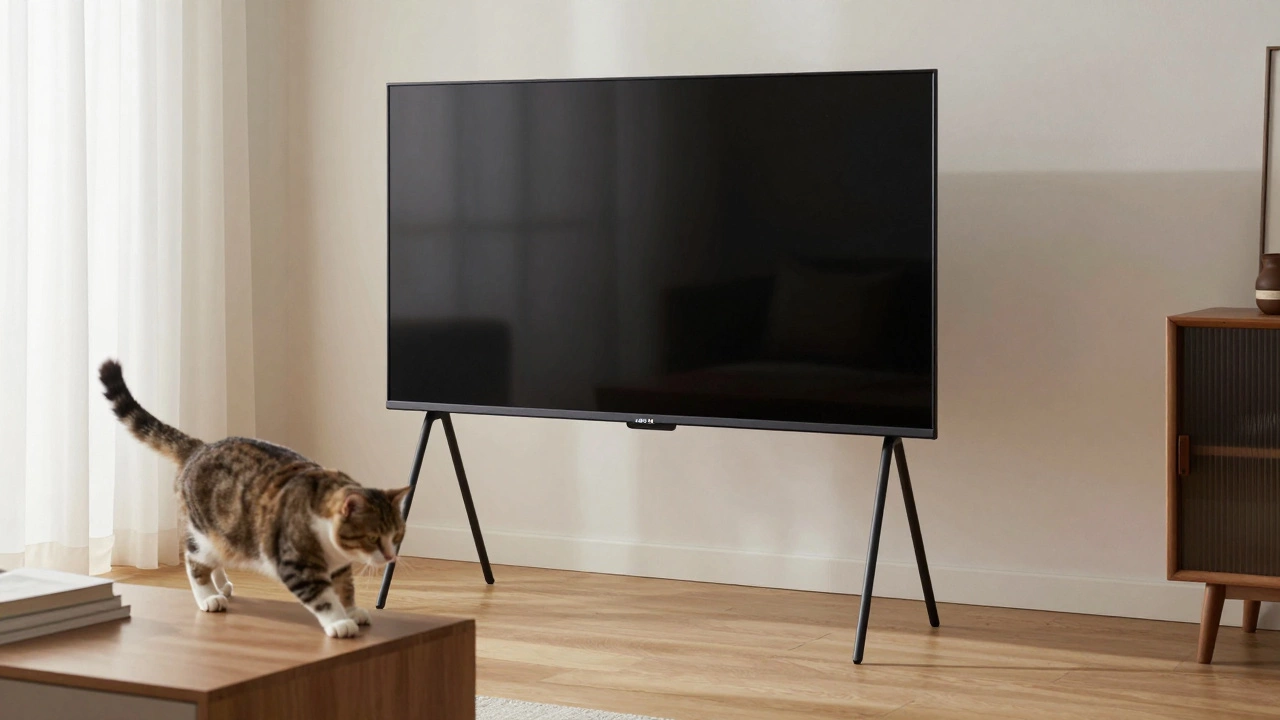
Most people think if their TV is 65 inches, they need a 65-inch stand. That’s not how it works. A TV stand, a piece of furniture designed to hold a television and often include storage for media devices should be at least 2 to 6 inches wider than your TV’s base. For a 75-inch TV, that means looking for a stand between 70 and 80 inches wide. But it’s not just about width—TV stand compatibility, how well the stand’s size, weight limit, and design match your TV model also depends on weight distribution and leg spacing. Some TVs have wide feet, others are narrow. If your TV’s base is only 50 inches wide but you put it on a 60-inch stand, you’re fine. But if the stand is 55 inches and your TV’s base is 58 inches? That’s a problem waiting to happen.
And it’s not just about the TV. The TV placement, where and how a television is positioned in a room relative to seating and lighting affects everything. A stand that’s too wide for your entertainment center looks awkward. One that’s too narrow forces you to cram other gear on top, making it cluttered. You also need to think about airflow, cable access, and whether you’ll mount speakers or a soundbar underneath. The best TV stand width gives you breathing room without dominating the room.
Look at the posts below—you’ll find real examples. One explains why a 75-inch TV on a 60-inch stand is a bad idea. Another shows how TV height affects comfort. There’s even a guide on what makes a stand look expensive. These aren’t random tips—they’re fixes people actually ran into. Whether you’re setting up a new living room or replacing an old stand, the right width keeps your TV safe, your space clean, and your eyes comfortable. No guesswork. No regrets. Just the facts you need to get it right.