TV Mounting Height – How High Should Your TV Be?
Ever sit on the couch and notice you’re constantly looking up or down at the screen? That’s a sign the TV isn’t at the right height. Getting the right mounting height makes movies feel immersive, games stay comfortable, and neck strain disappears. Below you’ll find a no‑nonsense guide to set your TV at the perfect level.
Why Height Matters
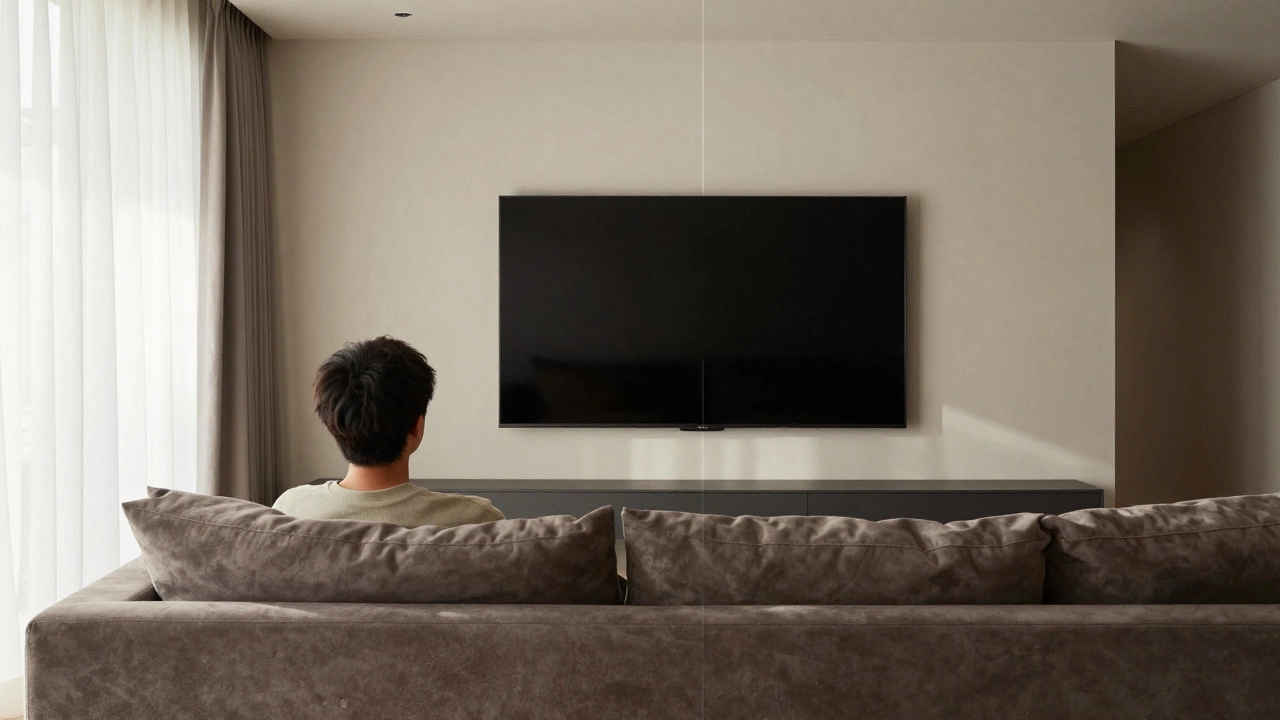
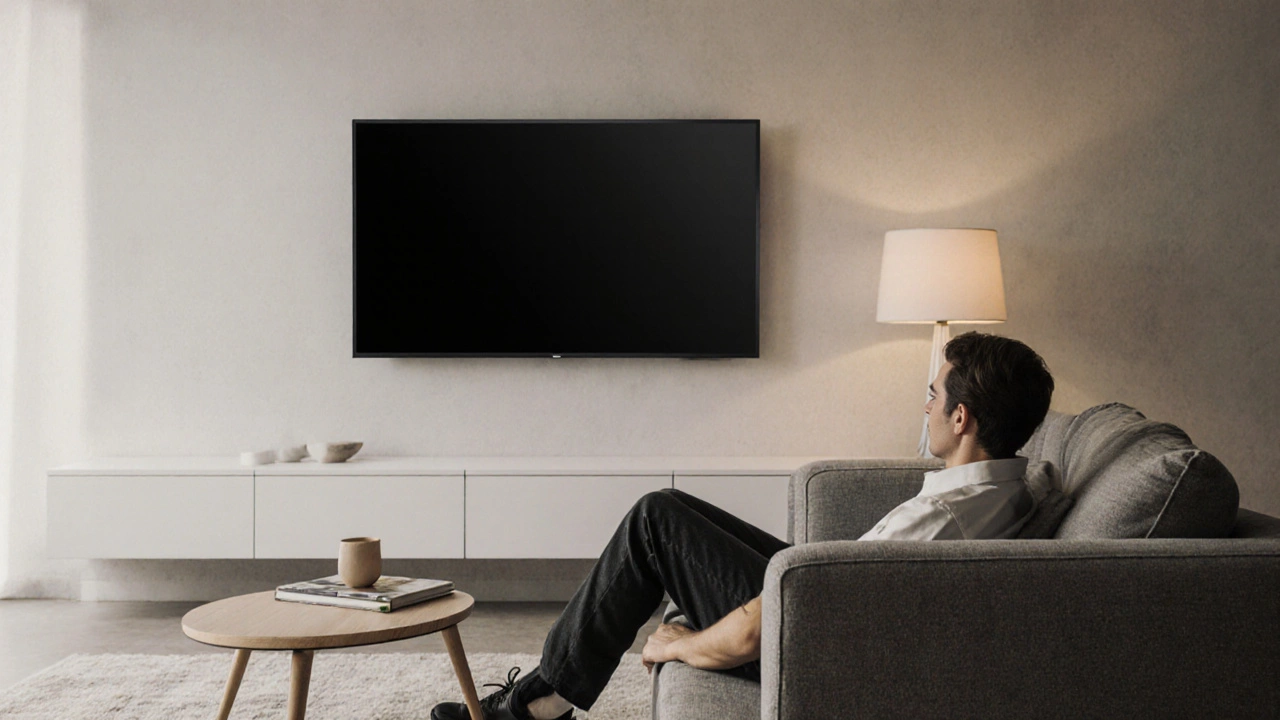
When the screen sits too high, your neck stays flexed upward, leading to fatigue after just a few episodes. Too low and you’re hunched forward, which can also cause back pain. The sweet spot keeps your eyes level with the centre of the screen while you’re seated in your usual spot. That position also reduces glare because the TV’s surface is less likely to catch light from windows or lamps.
How to Calculate the Right Height
1. Measure your seating eye level. Sit on your main couch or chair, relax, and ask a friend to measure from the floor to the middle of your eyes. Most UK living rooms land between 42 and 48 inches (106‑122 cm).
2. Find the screen’s centre. Check the TV’s specifications for its height. Divide that number by two – that’s the distance from the bottom of the screen to its centre.
3. Do the math. Subtract the screen‑centre measurement from your eye‑level number. The result tells you how high the bottom of the TV should sit from the floor.
Example: Your eye level is 44 inches. Your 55‑inch TV is 28 inches tall, so the centre is 14 inches from the bottom. 44 – 14 = 30 inches. Mount the TV so the bottom sits roughly 30 inches off the floor.
4. Check viewing distance. Sit about 1.5 to 2.5 times the screen’s diagonal away from the TV. For a 55‑inch set, that’s 6.9–11.5 feet (2.1–3.5 m). If your couch is farther, you can raise the TV a little; if closer, drop it a bit.
5. Account for furniture. If you’re mounting above a mantel or bookshelf, make sure there’s at least a 4‑inch gap between the top of the furniture and the TV’s bottom. Too close can block heat dissipation and look cramped.
6. Test it out. Before drilling, tape a paper outline on the wall at the calculated height. Sit down, watch a short clip, and see if it feels natural. Adjust the tape up or down a few inches if needed.
7. Secure the mount. Use a stud finder to locate wall studs and attach the bracket with heavy‑duty screws. If you can’t find studs, use a toggle bolt system rated for the TV’s weight.
8. Fine‑tune after mounting. Some tilting mounts let you angle the screen slightly downward, which can help if your eye level is a bit higher than the centre.
Following these steps ensures the TV sits at a height that feels right for long binge‑watch sessions, gaming marathons, and family movie nights. The goal isn’t just a clean look – it’s a comfortable one.
Remember, the perfect height can vary a little based on personal preference and room layout. Use the guide as a starting point, then tweak until it feels spot‑on. Happy mounting!