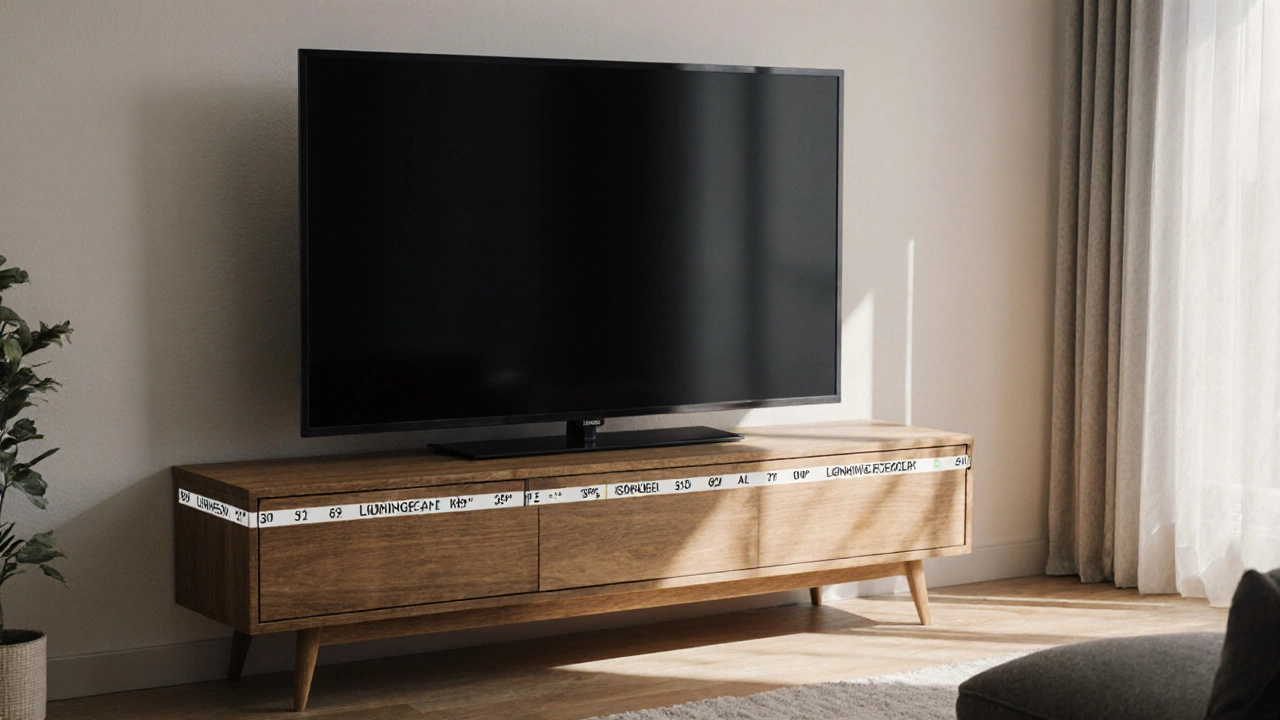
TV Fit on Stand: Choosing the Perfect TV Stand for Your Home
When planning a TV fit on stand, the process of placing a television on a piece of furniture rather than mounting it on the wall. Also known as TV on a stand, it requires careful measurement, style matching, and safety checks.
The first step is to pick a TV stand, a piece of furniture designed to hold a television securely that fits the screen size and the room’s aesthetic. A good rule of thumb is to choose a stand that is at least half an inch wider than the TV on each side. Measure the TV’s width, height, and weight, then compare those numbers with the stand’s specifications. If the stand can’t support the weight, you risk a wobble or even a collapse—something no one wants.
Next comes TV placement, where the screen sits in the room relative to seating and lighting. The optimal viewing distance is roughly 1.5 to 2.5 times the screen’s diagonal. Sit on your favorite couch, measure the distance, and factor in any windows or light sources that could cause glare. A well‑placed TV reduces eye strain and makes movie nights more enjoyable.
Many people wonder whether a TV wall mount, a bracket that secures the television directly to the wall would be better. While wall mounts free up floor space, a TV fit on stand often feels more flexible—especially in rented homes where drilling isn’t allowed. The decision hinges on room size, furniture layout, and personal preference.
Consider the living room layout, the arrangement of seating, furniture, and walkways in a shared space. A stand should sit on a sturdy surface, away from high‑traffic areas to prevent accidental bumps. Align the TV so the screen is at eye level when seated; this prevents neck strain and keeps the viewing angle comfortable.
Cable management is another practical detail. Choose a stand with built‑in channels or a back panel that hides wires. If the stand lacks these features, use zip ties or Velcro straps to bundle cords neatly. Proper cable routing reduces tripping hazards and keeps the area looking tidy.
Style matters, too. Match the stand’s finish to other furniture—oak, walnut, metal, or glass—all affect the room’s vibe. If you have a modern sofa, a sleek metal stand might complement it; for a traditional setting, a wooden piece with a warm grain works best. Don’t forget the color; neutral tones blend easily, while a bold color can become a focal point.
Budget is always a concern. Mid‑range stands from reputable UK retailers often offer solid construction and good design for under £300. High‑end options can exceed £1,000 but may include premium materials and longer warranties. Decide what features matter most—weight capacity, storage, design—and shop accordingly.
With these basics covered, you’ll be ready to make an informed decision about your TV fit on stand. Below you’ll find a curated selection of articles that dive deeper into specific topics—measurements, safety tips, style ideas, and more—so you can fine‑tune every detail of your home entertainment setup.