Temperature Effects on Furniture: Keep Your Pieces Safe
Ever wondered why a beautiful oak table starts to look sad after a winter in the garage? Temperature changes do more than make you shiver – they can twist, warp, and even grow mold on your furniture. Below you’ll find straight‑forward advice to stop those problems before they start.
How Heat and Cold Damage Wood
Wood expands when it gets warm and contracts when it gets cold. If the change happens quickly, the grain can split or the joints can loosen. That’s why you’ll see cracks in a pine dresser that’s been moved from a heated room straight into a chilly shed.
Humidity matters too. Warm air holds more moisture, so a hot, damp summer can push water into the wood fibers. When the air cools, that moisture evaporates and leaves the wood dry, making it more likely to warp.
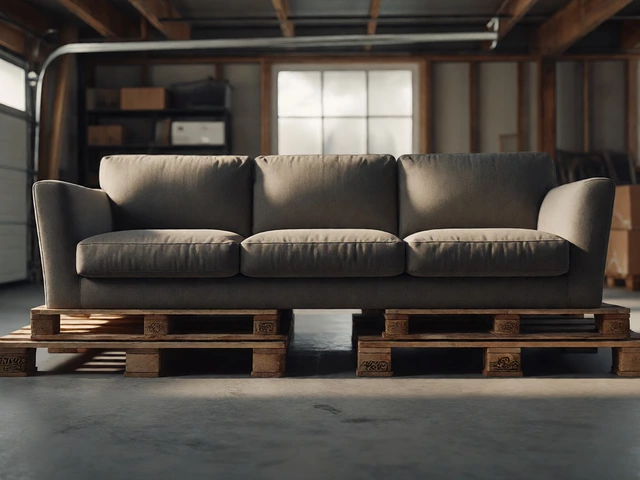
Simple fix: store wood pieces in a climate‑controlled space whenever possible. If you have to keep them in a garage, use a breathable cover and a small dehumidifier during humid months. Adding a few inches of insulation between the wood and a concrete floor also helps keep temperature swings from hitting the piece directly.
Keeping Furniture Safe in Changing Temperatures
Upholstered sofas and chairs are not immune. High heat can weaken glue, while low temperatures make fabrics stiff and prone to tearing. Mold loves the damp spots that form behind a couch pushed against a cold wall.
To avoid these issues, keep furniture at least a few inches away from exterior walls. Use a portable heater in winter if a room gets too cold, but make sure it’s not blowing directly on the furniture. In summer, a fan can circulate air and keep humidity down.
For storage units, choose a climate‑controlled facility. If that’s not an option, wrap each item in a breathable cloth, place silica gel packets nearby, and check the items every few weeks for any signs of moisture or mold.
Finally, regular maintenance goes a long way. Lightly oil wooden legs once a year, wipe down metal frames to prevent rust, and vacuum upholstery to keep dust from turning into mold when the weather gets damp.
By understanding how temperature and humidity affect different materials, you can protect your furniture from warping, cracking, and mold. A little effort now means your pieces will stay beautiful for years to come.