Table Durability: What Makes a Table Last
When you pick a new table, you want it to stay solid and good‑looking for years. The right material, construction, and a bit of regular care can make a huge difference. In this guide we’ll break down the basics of table durability and give you easy tips to keep your piece sturdy and attractive.
Materials that Stand Up to Everyday Use
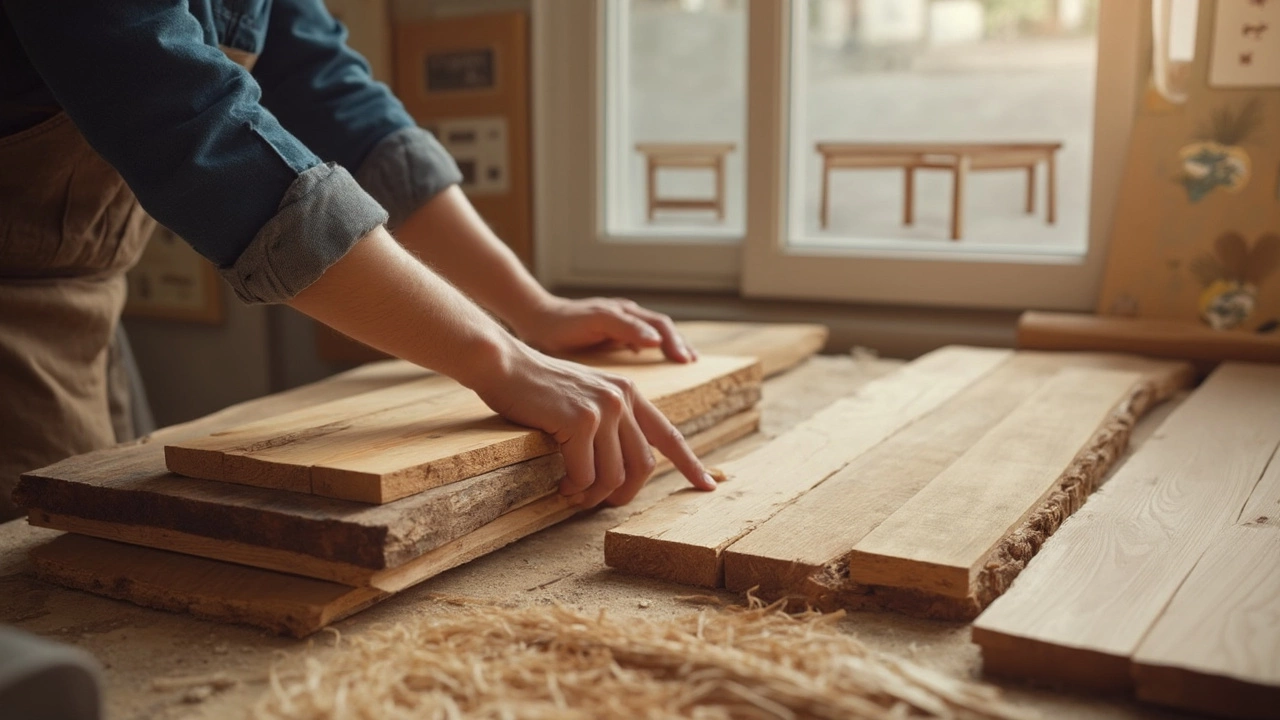
Solid wood is a classic choice. Hard woods like oak, walnut and ash resist scratches and dents better than soft pine. If you prefer a lighter look, engineered wood with a high‑quality veneer can be just as strong, as long as the core layers are thick. Metal frames—steel or aluminum—add extra stability and are virtually immune to warping.
Glass tops look sleek but can chip if hit hard. Tempered glass is tougher than regular glass, so it’s a safer bet for a busy household. For outdoor tables, look for teak, ipe or recycled plastic. These materials resist moisture and UV rays, so they won’t crack or fade quickly.
Tips to Keep Your Table Looking Fresh
First, use coasters and placemats. A simple barrier stops rings and heat stains from ruining the surface. Wipe spills right away with a soft cloth; most finishes don’t need harsh chemicals. For wooden tables, a light oil or wax every few months restores the shine and protects the wood fibers.
Avoid placing heavy objects on the edge of the table. The weight can cause a slight dip over time, especially on thinner slabs. If you move the table often, lift it instead of dragging—scratches on the legs or floor can lead to wobble. Finally, check the bolts or screws every six months; a loose leg is the fastest way to lose stability.
By picking a durable material and following these easy habits, your table will stay strong and stylish for many meals, projects, and gatherings. No need to replace it every few years; a little attention goes a long way.