Sofa Lifespan Estimator
Use this tool to estimate the remaining life of your current sofa or predict the lifespan of a potential purchase. Adjust the settings below to see how different factors impact durability.
Estimated Lifespan
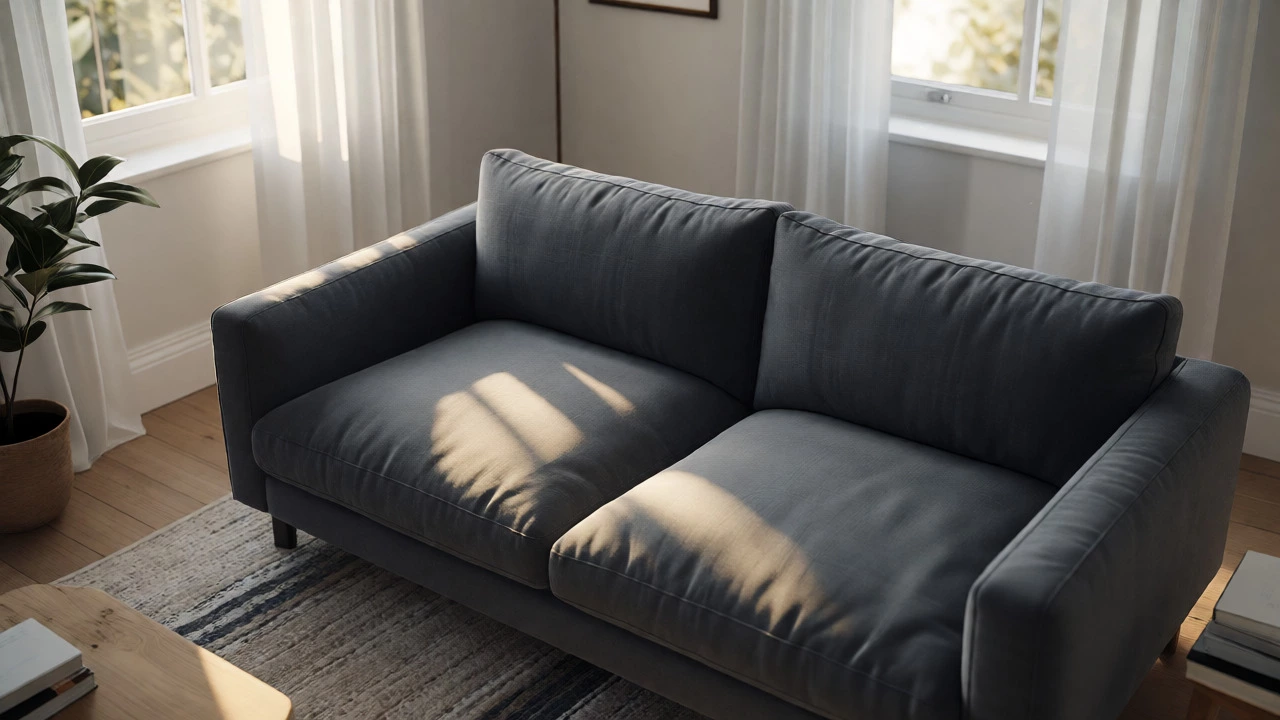
You just spent three grand on a beautiful sofa, and it looks perfect in your living room. But here’s the uncomfortable truth: that pristine look has an expiration date. Most people don’t realize their couch is quietly aging out while they’re still sitting on it. The average person keeps a sofa for about seven to ten years, but that number is a wild generalization. It depends entirely on what you bought, who sits on it, and how hard you hit it with the vacuum cleaner.
If you are wondering whether it’s time to replace your current setup or if you can squeeze another few years out of it, you need to look past the surface stains. Real longevity comes down to construction quality and usage patterns. Let’s break down exactly how long different types of sofas last, why some fail early, and how to spot the end-of-life signs before you’re stuck with a sagging mess.
The Real Numbers on Sofa Lifespan
Industry data from organizations like the International Home Furnishings Alliance suggests that a well-made sofa should last between eight and fifteen years. However, the "average" experience often skews lower because many households buy budget-friendly options that aren’t built to survive daily abuse. If you bought a cheap flat-pack model from a big-box retailer, expect five to seven years of service. High-end custom pieces with hardwood frames? Those can easily push twenty years if treated right.
Your lifestyle plays a massive role here too. A single professional who works all day and rarely cooks at home will see different wear than a family of four with two dogs and a toddler. The National Sleep Foundation notes that poor seating posture affects health, so keeping a supportive sofa isn’t just about aesthetics-it’s about comfort and spine health. When the cushion support fails, you feel it in your back long before the fabric starts fraying.
Construction Quality Determines Everything
You can’t talk about lifespan without talking about what’s inside the box. The frame is the skeleton of your sofa. If it’s made of softwood, particleboard, or plastic, it’s going to crack under pressure within a decade. Hardwoods like oak, ash, or maple are significantly more durable. They resist warping and handle the stress of repeated sitting much better.
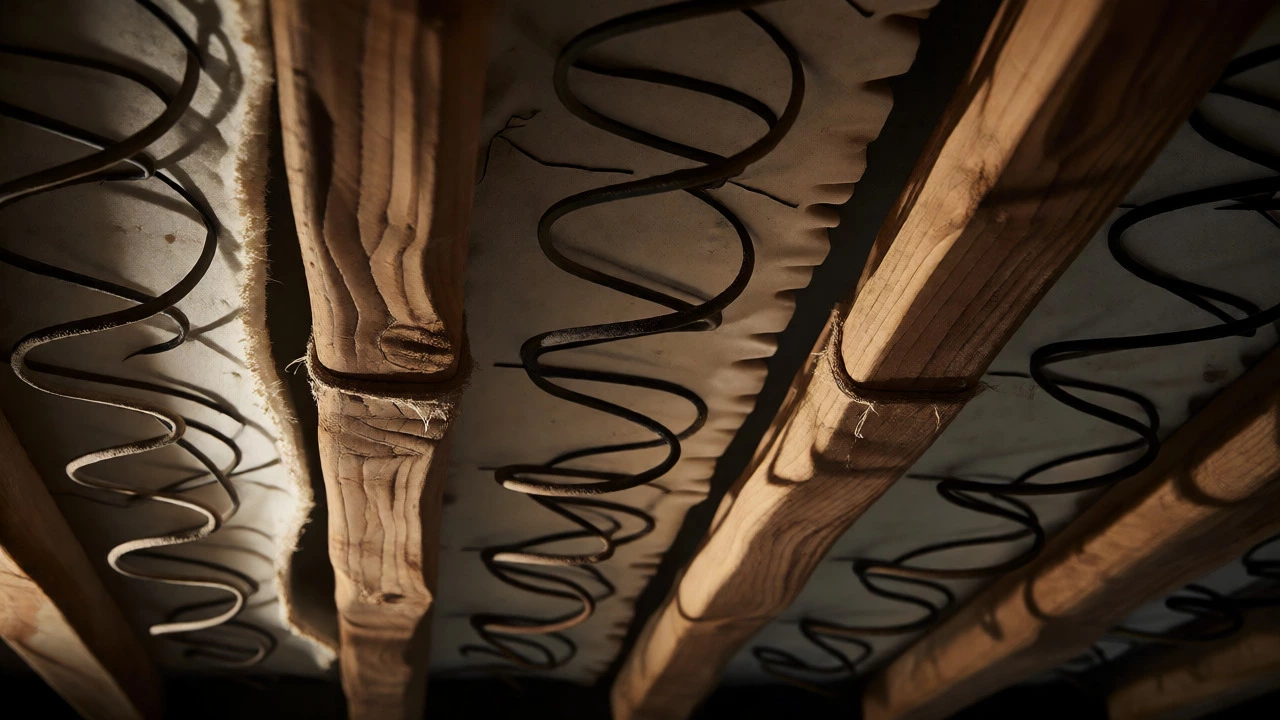
Suspension systems are the next critical factor. Cheap sofas use sinuous springs or webbing that stretches out over time. Once those springs lose their tension, the seat sags, and no amount of flipping cushions fixes it. Higher-quality models use eight-way hand-tied springs, which maintain their shape far longer. If you want a sofa that lasts, check the suspension type before you worry about the fabric color.
| Component | Budget Option | Mid-Range | Premium |
|---|---|---|---|
| Frame Material | Particleboard/Plywood (5-7 years) | Hardwood Blend (8-12 years) | Kiln-Dried Hardwood (15+ years) |
| Suspension | Webbing/Sinuous Springs | High-Tensile Springs | Eight-Way Hand-Tied |
| Cushion Fill | Foam Chips/Low Density | Multi-Density Foam | Feather/Hybrid Down |
| Upholstery | Microfiber/Low Martindale | Performance Fabric | Full-Grain Leather/Velvet |
Usage Patterns That Kill Sofas Early
It’s not just about what you bought; it’s about how you live. Pets are the number one destroyer of upholstery. Cat claws snag fabric, and dog fur embeds itself deep into the weave, making cleaning nearly impossible without professional extraction. If you have pets, you need performance fabrics designed to resist abrasion. Standard cotton blends won’t stand a chance against a scratching post habit.
Children add another layer of complexity. Spills, sticky hands, and jumping create uneven wear patterns. You might notice one side of the sofa collapsing faster than the other simply because that’s where everyone sits during movie night. Rotating cushions regularly helps distribute this weight evenly, extending the life of the foam core.
Then there’s the sun. Direct sunlight fades fabric and dries out leather, causing it to crack. If your sofa faces south and gets six hours of direct light daily, its lifespan drops significantly unless you use UV-blocking window films or keep the blinds closed during peak hours. Heat sources like radiators also dry out materials, leading to brittle joints and cracked seams.
Signs Your Sofa Is Ready for Retirement
How do you know when it’s actually time to let go? Don’t wait until the springs poke through the seat. Look for these red flags:
- Visible Sagging: If the seat dips noticeably in the middle, the internal structure is failing. This isn’t just ugly; it’s bad for your posture.
- Broken Frame Sounds: Creaking or popping noises when you sit down indicate loose joinery or cracked wood. These problems only get worse.
- Odor Retention: If your sofa smells musty even after cleaning, moisture has likely penetrated the foam core. Mold spores can accumulate deep inside, affecting air quality.
- Fabric Pilling or Fraying: While pilling can be shaved off, severe fraying means the fibers are breaking down structurally. No repair kit can restore integrity to worn-out threads.
- Cushion Recovery Failure: Press down firmly on a cushion. If it doesn’t spring back quickly, the foam density has degraded. Replacement covers won’t fix dead foam.
Some issues are cosmetic, like minor stains or small tears, which can be repaired. Structural failures, however, are usually not worth fixing. Reupholstering costs often approach the price of a new mid-range sofa, so weigh the sentimental value against the practical cost.

Extending the Life of Your Current Sofa
You don’t have to accept a five-year lifespan as inevitable. Simple maintenance habits can double the life of your furniture. Vacuum weekly using an upholstery attachment to remove dust and grit that acts like sandpaper on fabric fibers. Rotate and flip cushions every month to ensure even wear. If your sofa has removable covers, wash them according to the manufacturer’s code-usually dry clean only for delicate fabrics.
Protective measures help too. Throw blankets protect high-contact areas from oils and sweat. Slipcovers offer a barrier against spills and pet hair, though they can trap moisture underneath if not removed periodically for airing out. For leather sofas, conditioning every six months prevents drying and cracking. Use products specifically formulated for your material type; generic polishes can clog pores in genuine leather.
Consider professional cleaning once a year. Deep extraction removes allergens and embedded dirt that regular vacuuming misses. This isn’t just about hygiene; it preserves the fabric’s strength. Dirt particles cut into fibers over time, weakening the weave. Keeping the surface clean reduces this abrasive effect.
When to Buy vs. When to Repair
Decision-making here requires honest math. If your sofa is under ten years old and the frame is solid, reupholstering might be viable. It allows you to keep the custom fit and shape while updating the look. However, if the frame is compromised or the sofa is older than fifteen years, buying new is almost always cheaper and more efficient. Modern manufacturing techniques offer better ergonomics and sustainable materials that older models lack.
Also consider energy efficiency in terms of effort. Fixing a broken mechanism in a recliner or replacing specific springs can be done by handy homeowners. But full structural repairs require skilled labor. In Leeds, local furniture restorers charge hourly rates that add up quickly. Compare that quote to the sale prices at major retailers. Often, the convenience of delivery and assembly makes a new purchase the smarter financial move.
Finally, think about your changing needs. Did your household size increase? Do you now work from home and need a more ergonomic setup? Sometimes the sofa isn’t broken; it’s just outdated for your lifestyle. Upgrading isn’t failure-it’s adaptation.
Do leather sofas last longer than fabric ones?
Generally, yes. High-quality top-grain leather is extremely durable and resistant to tearing. Unlike fabric, it doesn’t absorb liquids instantly, allowing time for cleanup. With proper conditioning, leather develops a patina rather than looking worn out, potentially lasting 15-20 years. Fabric sofas, especially synthetic blends, tend to show wear faster through pilling and staining.
Is it cheaper to reupholster or buy a new sofa?
It depends on the original cost and condition. If the sofa is a high-end custom piece with a solid hardwood frame, reupholstering can cost 50-70% of a new equivalent. For mass-market sofas, reupholstering often costs more than buying a new mid-range model. Always get a quote first and compare it to current retail prices.
How often should I rotate my sofa cushions?
Rotate and flip cushions every 4 to 6 weeks. This ensures even compression of the foam and prevents permanent body impressions from forming. If your cushions are reversible, flip them; if not, rotate left-to-right. Consistent rotation extends the functional life of the padding significantly.
What is the most durable sofa fabric?
Microfiber and tightly woven polyester blends are highly durable and stain-resistant. For natural fibers, heavy-duty canvas or denim offers great strength. Performance fabrics treated with stain guards are ideal for homes with pets and children. Avoid silk or velvet in high-traffic areas as they mark easily and wear quickly.
Can I donate a sofa that is 10 years old?
Many charities accept sofas, but they must meet strict criteria: no major stains, tears, or odors, and the frame must be stable. Check with local organizations like the British Heart Foundation or local council recycling services. If the sofa is sagging heavily or has broken mechanisms, it may be classified as bulky waste requiring paid disposal.