Sustainable Furniture: Eco‑Friendly Design and Lasting Quality
When working with Sustainable Furniture, pieces built to reduce environmental impact while providing lasting comfort and style. Also known as eco‑friendly furniture, it combines responsible sourcing, renewable materials, and durable construction. Sustainable furniture isn’t just a trend – it’s a practical choice that blends ethics with everyday living.
Key Materials That Make It Sustainable
One of the biggest ways to cut a piece’s carbon footprint is to use Reclaimed Wood, salvaged timber that avoids new tree harvesting and gives each item a unique story. By re‑using wood from old barns, pallets, or decommissioned furniture, you keep waste out of landfills and preserve forest resources. Another crucial component is Low‑VOC Finishes, coatings that emit fewer harmful volatile organic compounds, improving indoor air quality. These finishes protect the surface without releasing dangerous chemicals, making the home healthier for families and pets. Both reclaimed wood and low‑VOC finishes are proven ways to sustainable furniture encompasses reclaimed wood and sustainable furniture requires low‑VOC finishes, creating a clear link between material choice and environmental benefit.
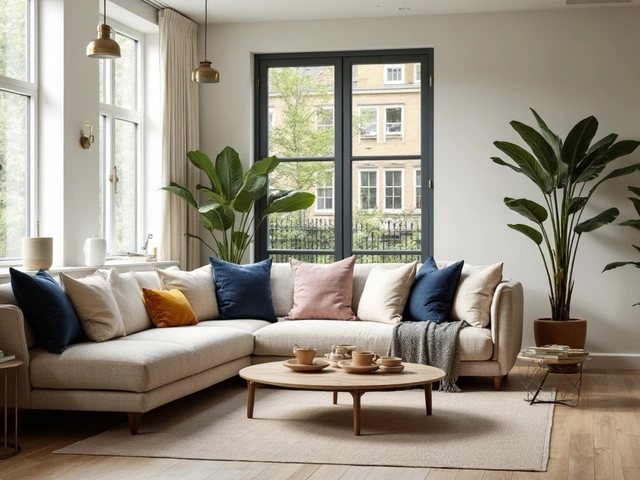
Design flexibility also plays a role. Modular Design, a system where components can be rearranged, added, or replaced as needs change extends a piece’s useful life. Instead of buying a whole new sofa when you need a different shape, you can swap modules, reducing waste and cost. This approach illustrates that durable construction influences the lifespan of eco‑friendly pieces. When furniture is built to last, whether indoors or out, you spend less on replacements and keep fewer resources tied up in production.
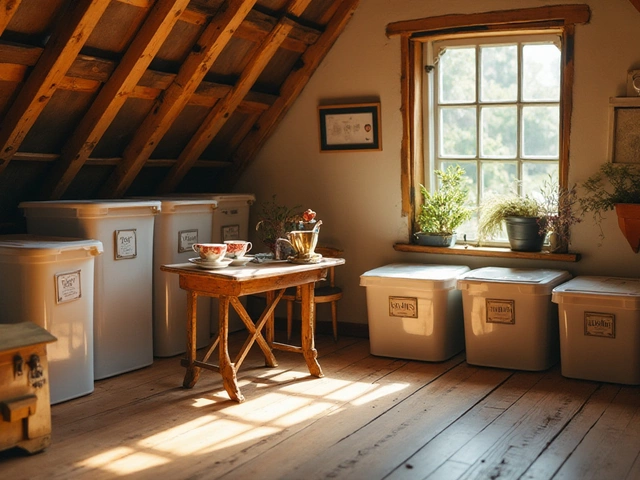
Even the smartest materials need proper care to stay green. Our blog posts on storing wood furniture in unheated spaces, protecting outdoor pieces from weather, and preventing mold on surfaces all show how longevity ties directly to sustainability. By keeping wood dry, avoiding extreme temperature swings, and using the right cleaners, you prevent warping, rot, and the need for early disposal. In short, the right storage and maintenance habits turn a sustainable purchase into a multi‑year investment.
Below you’ll find a collection of practical guides that dive deeper into these topics. From mold‑free cleaning tricks to tips on where not to place a sofa for optimal durability, each article adds a piece to the sustainable‑furniture puzzle. Browse the list, pick the tips that fit your home, and start building a greener, longer‑lasting living space today.