Storing Furniture Made Easy: Practical Tips to Protect Your Pieces
Got a sofa, dining table, or heirloom wardrobe that needs a temporary home? Storing furniture doesn’t have to be a gamble. With a few smart steps you can keep wood from warping, fabrics from mold, and finishes from scratching.
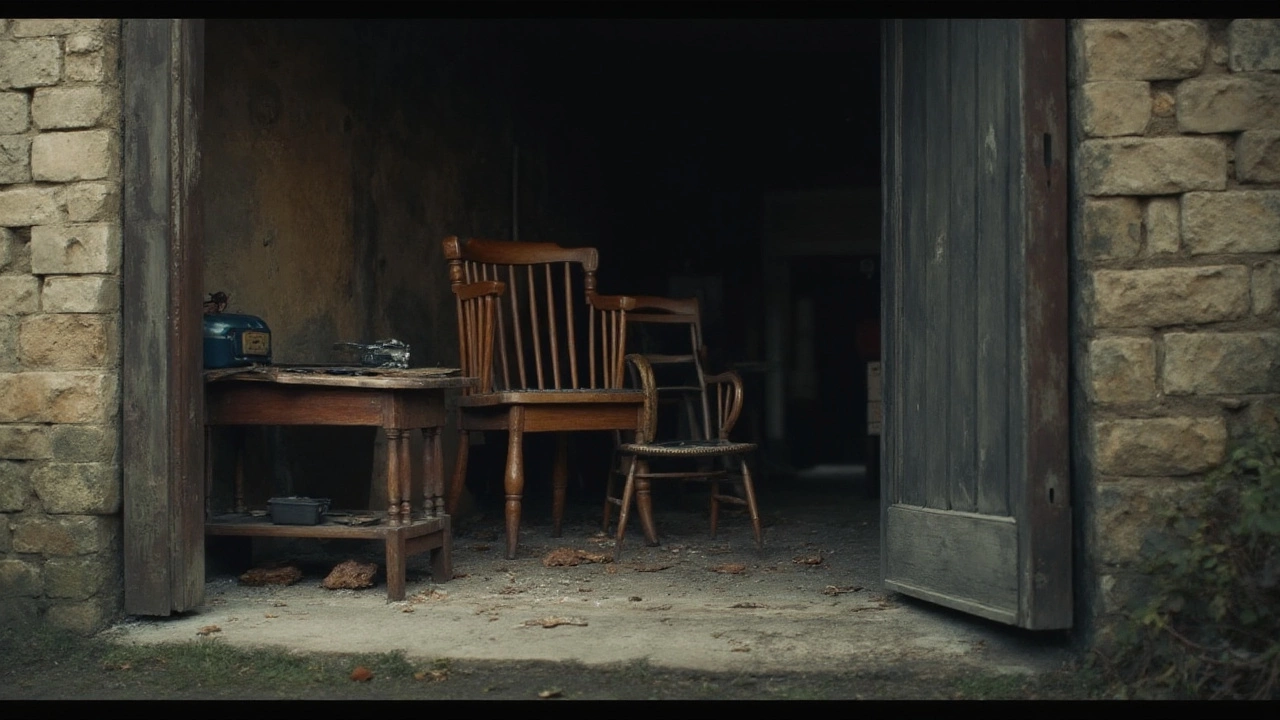
Choose the Right Storage Space
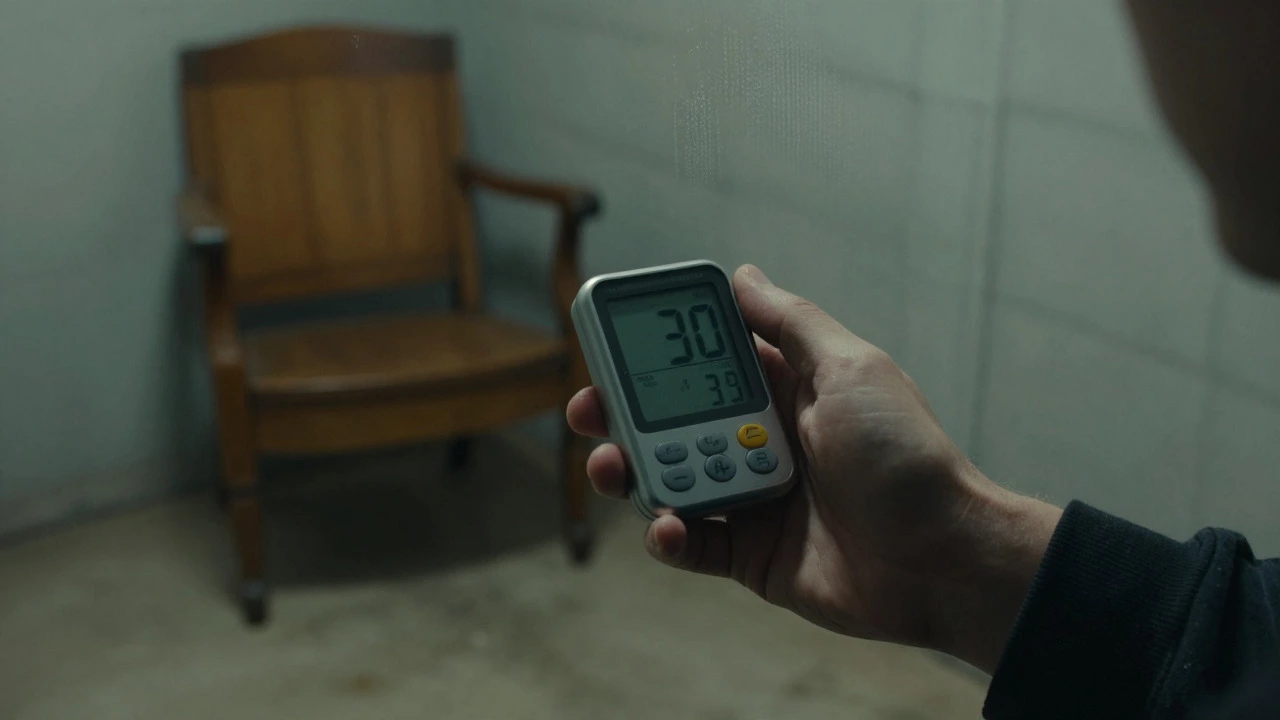
First thing’s first: where you put the pieces matters more than you think. A climate‑controlled unit is ideal because it holds temperature and humidity steady. If a unit isn’t an option, pick a dry, indoor room that stays above 50°F (10°C) and below 70°F (21°C). Avoid basements that flood or attics that heat up in the summer.
Keep furniture off the floor. Even a cheap pallet or a few sturdy cardboard sheets can stop moisture from seeping up from concrete. For larger items, use furniture sliders or plastic casters so you can move them without dragging.
Protect Your Pieces Before They Go In
Covering is the next big step. Breathable cotton or canvas drop cloths are better than plastic because they let air circulate while still shielding against dust. For sofas and cushions, wrap each cushion in a clean sheet and then seal the whole set in a large bag with a zip closure. This stops dust and keeps pests out.
Wooden tables, cabinets, and shelves get a quick wipe‑down with a mild soap solution. Let them dry completely, then apply a thin coat of furniture wax or a light oil to create a moisture barrier. Avoid heavy oils that can turn sticky in a closed space.
Don’t forget the small stuff. Remove any detachable hardware—knobs, pulls, glass shelves—and pack them in labelled bags. This prevents loss and makes re‑assembly painless.
Finally, label each wrapped item with its destination room and any special care notes. When you pull the pieces out later, you’ll know exactly how to set them up without guesswork.
With the right space, proper elevation, and thoughtful covering, your furniture will look just as good when you bring it back as the day it left. Store smart, and avoid costly repairs or replacements down the line.