Stand Height: How to Pick the Right Height for Your Furniture
Ever sat in front of a TV that felt too high or too low? Or struggled to reach a coffee table that seemed to float? The right stand height can make a room feel comfortable and functional. In this guide we’ll walk through the basics, give you quick measuring tricks, and show you how to decide the best height for different pieces.
Why Stand Height Matters
When a stand is too high you end up with neck strain, eye fatigue and awkward seating. When it’s too low you waste space and your eyes have to look down, which isn’t ideal for long viewing sessions. The same idea applies to coffee tables, side tables and even standing desks. A good height balances comfort, ergonomics and style, so you can relax or work without thinking about it.
Quick Rules of Thumb
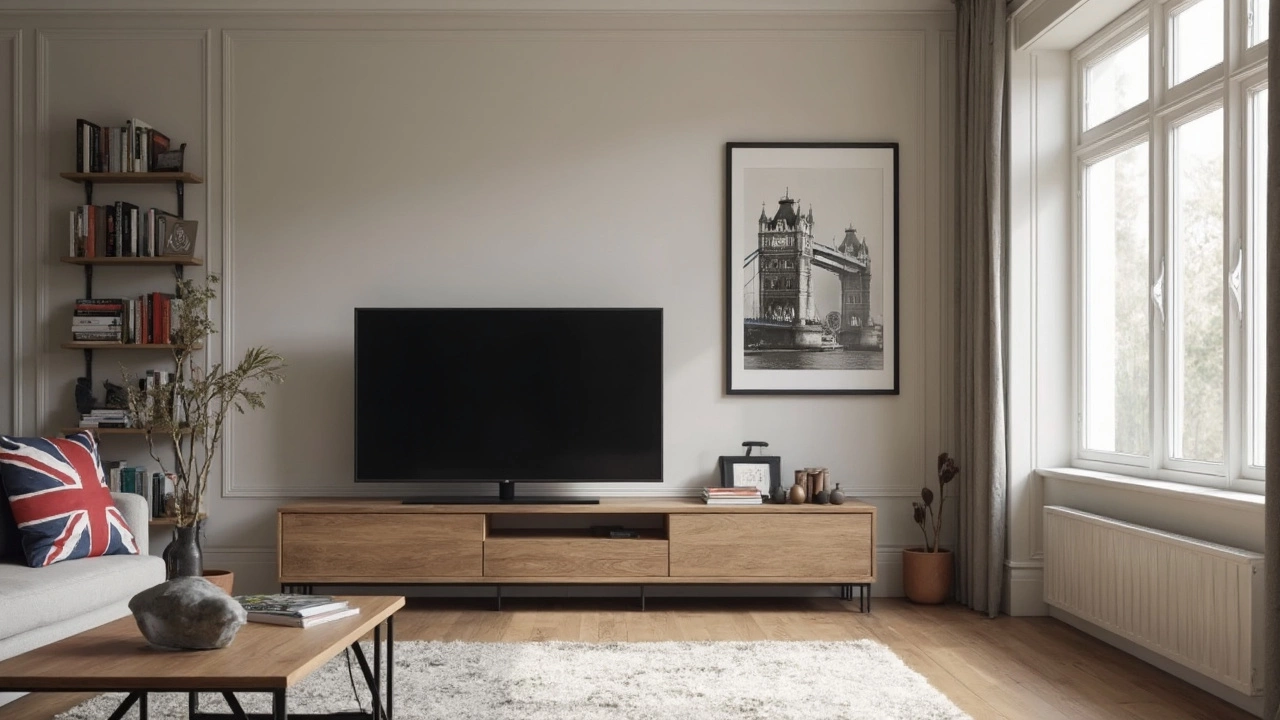
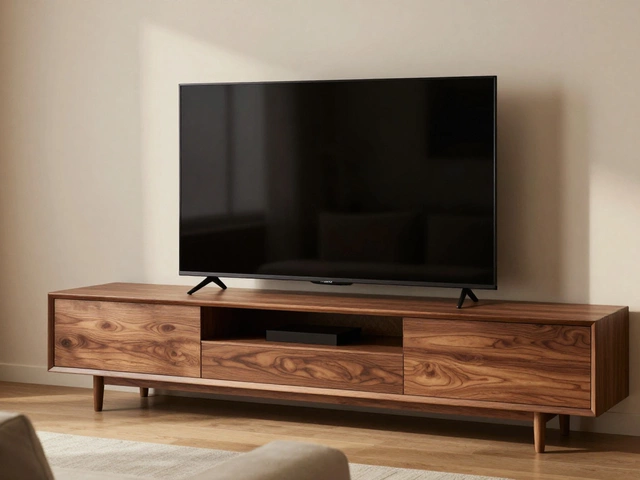
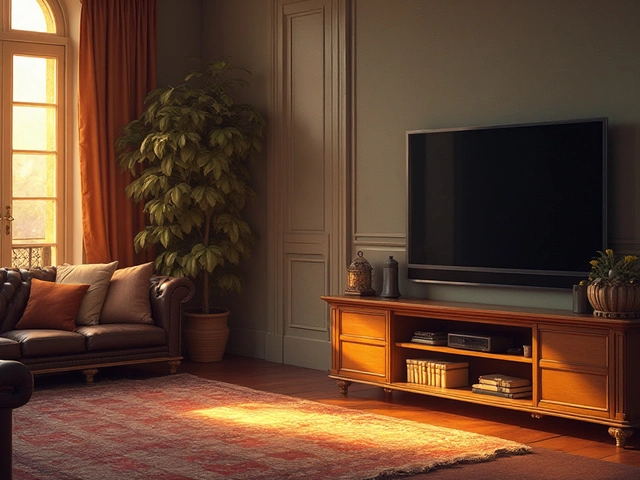
TV stands: Measure the height of your sofa seat (from the floor to the cushion top). Add about 4‑6 inches and you have a comfortable viewing line. Most people find 42‑48 inches from floor to TV center works well for a standard 3‑seat sofa.
Coffee tables: The top should sit about 1‑2 inches lower than the sofa seat height. If your sofa seat is 18 inches, aim for a coffee table height of 16‑17 inches. This keeps your hands close enough to reach drinks without straining.
Side tables and end tables: These should be within 1‑2 inches of the seat height of the chair they sit next to. That way you can easily set a lamp or a book without reaching too far.
Standing desks: The desktop should be at elbow height when you stand. Most people’s elbow height is around 42‑44 inches, but adjusting the desk to match your own measurement feels best.
Measuring Made Easy
Grab a tape measure and follow these steps:
- Sit on your favorite seat and note the height of the cushion top.
- For a TV, add 4‑6 inches to that number. Mark the spot on the wall or use a piece of cardboard to visualize.
- For a coffee table, subtract 1‑2 inches from the cushion height.
- Check the height of any side tables against the armrest height of the chairs they’ll sit beside.
- If you’re building a custom piece, write down the numbers and give them to your carpenter.
Doing this once saves you from buying the wrong size and having to rearrange later.
Special Situations
If you have a low‑profile sofa, you might want a lower coffee table to keep the room feeling open. Conversely, a high‑backed armchair works well with a taller side table for reading lamps. For mixed‑use rooms (like a home office that doubles as a lounge), choose a stand that can serve multiple purposes. A height‑adjustable TV stand, for example, lets you lower the screen when you’re chilling on the couch and raise it if you decide to use the room for gaming on a higher chair.
Remember, these guidelines are a start. Your personal comfort is the final judge. Test a piece before you lock it in – sit, stand, reach, and see how it feels.
Getting the stand height right means fewer adjustments, less strain, and a room that just works. Use the simple measurements above, match them to your furniture, and enjoy a space that feels built just for you.