Chair Type Recommender
Not sure which chair fits your setup? Answer five quick questions and we'll match you to the right type of seat.
Step 1 Your Seating Routine
Result Your Match
Your personalized chair recommendation will appear here.
Most people use the terms office chair and desk chair interchangeably. But if you spend eight hours a day sitting at a workstation, that distinction matters more than you think. An office chair is engineered for productivity, health, and long-term comfort during focused work. A desk chair? It’s often just a comfortable seat placed near a table. One is a tool; the other is furniture. Knowing which one you actually need can save your back, boost your focus, and prevent buyer’s remorse.
The Core Design Philosophy
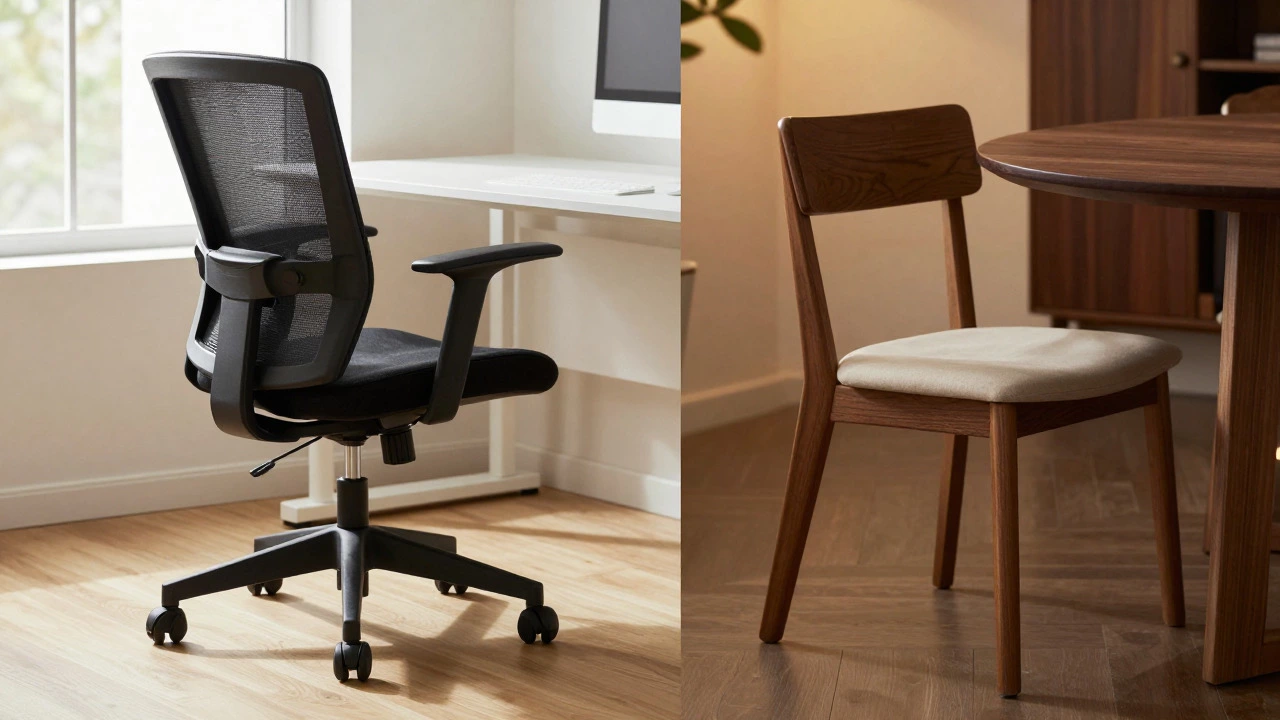
To understand the difference, look at what each chair is built to do. An Office Chair is a specialized piece of ergonomic furniture designed to support the human body during prolonged periods of seated work. Its primary goal is to reduce physical strain while maintaining an active posture. In contrast, a desk chair is typically a static seat intended for shorter durations or less intensive tasks, like eating at a dining desk or casual browsing.
Think of it this way: an office chair is like a running shoe-it has specific features (cushioning, arch support, breathability) tailored to high-impact, repetitive activity. A desk chair is like a sneaker-comfortable enough for walking around the house, but not built for a marathon. If you’re working from home on a standard dining chair, you’re essentially wearing sneakers to run a race. It works, but it’s not optimal.
Ergonomics and Adjustability
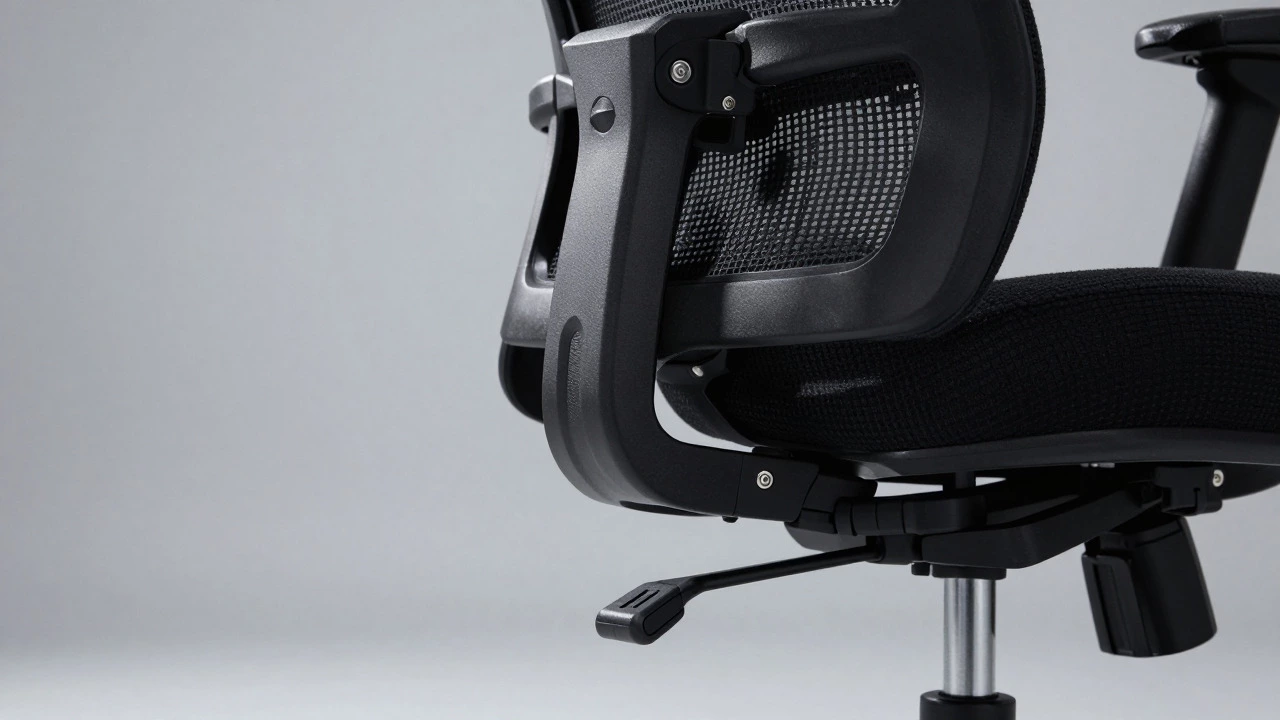
This is where the gap widens significantly. Office chairs are defined by their adjustability. A quality ergonomic chair allows you to customize the fit to your unique body dimensions. Key adjustable features include:
- Lumbar Support: Adjustable height and depth to maintain the natural curve of your lower spine.
- Seat Height: Gas lift cylinders allow precise vertical positioning so your feet rest flat on the floor.
- Armrests: Four-way adjustments (up/down, forward/back, in/out, pivot) to keep shoulders relaxed.
- Tilt Mechanism: Allows the backrest to recline while locking in specific angles to encourage movement.
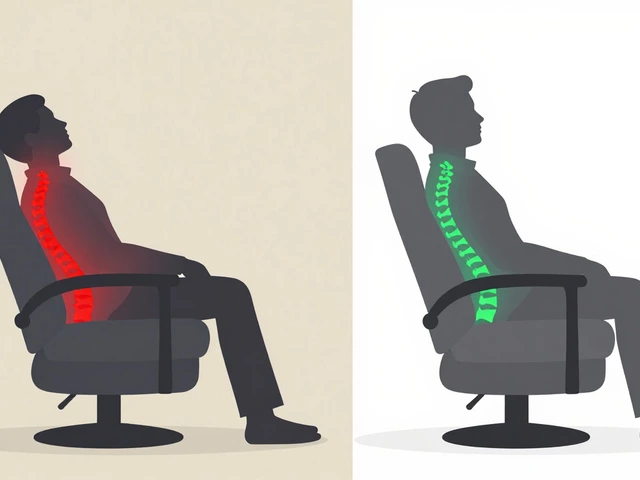
Desk chairs, on the other hand, rarely offer more than fixed armrests and a static backrest. While some modern dining or writing desks come with swivel bases, they lack the complex mechanical systems found in professional task seating. Without these adjustments, you’re forced to adapt your body to the chair, rather than the chair adapting to you. Over time, this mismatch leads to slouching, neck tension, and hip discomfort.
Material and Durability Standards
Durability isn’t just about how long a chair lasts; it’s about how well it performs under load. Office chairs are tested against strict industry standards, such as those set by BIFMA (Business and Institutional Furniture Manufacturers Association). These tests simulate years of heavy use, checking for stability, gas cylinder integrity, and material wear.
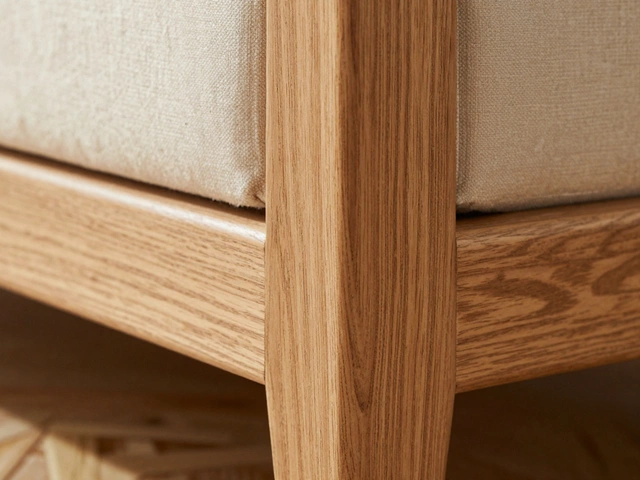
Materials reflect this intent. You’ll find breathable mesh backs, high-density foam seats, and durable nylon casters in office chairs. Mesh promotes airflow, preventing heat buildup during long sessions. High-density foam retains its shape better than the low-density padding often used in cheaper desk chairs, which tends to flatten out after six months of daily use. Desk chairs frequently prioritize aesthetics over function, using upholstery fabrics or wood finishes that look nice but may scratch easily or absorb spills without much thought to cleaning ease.
| Feature | Office Chair | Desk Chair |
|---|---|---|
| Primary Use Case | Prolonged seated work (8+ hours) | Casual seating, short tasks, dining |
| Adjustability | High (Lumbar, arms, tilt, height) | Low to None (Fixed position) |
| Ergonomic Focus | Active posture, spinal alignment | Static comfort, aesthetic appeal |
| Base Type | 5-star caster base (mobility) | 4-leg or fixed base (stability) |
| Durability Testing | BIFMA certified for heavy duty | Minimal or no industrial testing |
| Ideal Environment | Home office, corporate workspace | Dining area, study corner, guest room |
When to Choose Which
So, which one do you need? The answer depends entirely on your routine. If you work from home and sit at a dedicated station for most of the business day, an office chair is non-negotiable. Your body is the asset here, and protecting it pays off in reduced fatigue and better concentration. Even if you only work four hours a day, the cumulative effect of poor posture adds up. Invest in a chair with proper lumbar support and adjustable arms.
A desk chair makes sense if you don’t have a dedicated office space. Maybe you eat at a kitchen table, do homework at a sideboard, or browse emails briefly before bed. In these scenarios, the mobility and complexity of an office chair are overkill. A sturdy, comfortable chair with a solid back is sufficient. However, if you find yourself lingering at that table for extended periods, upgrade to a task-oriented seat. The line between “casual” and “work” is blurring in remote work setups, so choose based on actual usage time, not just the label.
Common Misconceptions
One big myth is that all black, wheeled chairs are office chairs. Not true. Many cheap “executive” chairs sold online look professional but lack internal ergonomic mechanisms. They might have a leatherette cover and a shiny base, but inside, they could be identical to a basic desk chair with wheels added. Always check for specific ergonomic features, not just the appearance.
Another misconception is that expensive always means better. While premium brands offer superior materials and longer warranties, mid-range options often provide 90% of the ergonomic benefits at half the price. Look for chairs with verified adjustability and positive reviews regarding durability. Don’t pay extra for logos or flashy designs if the core mechanics are lacking.
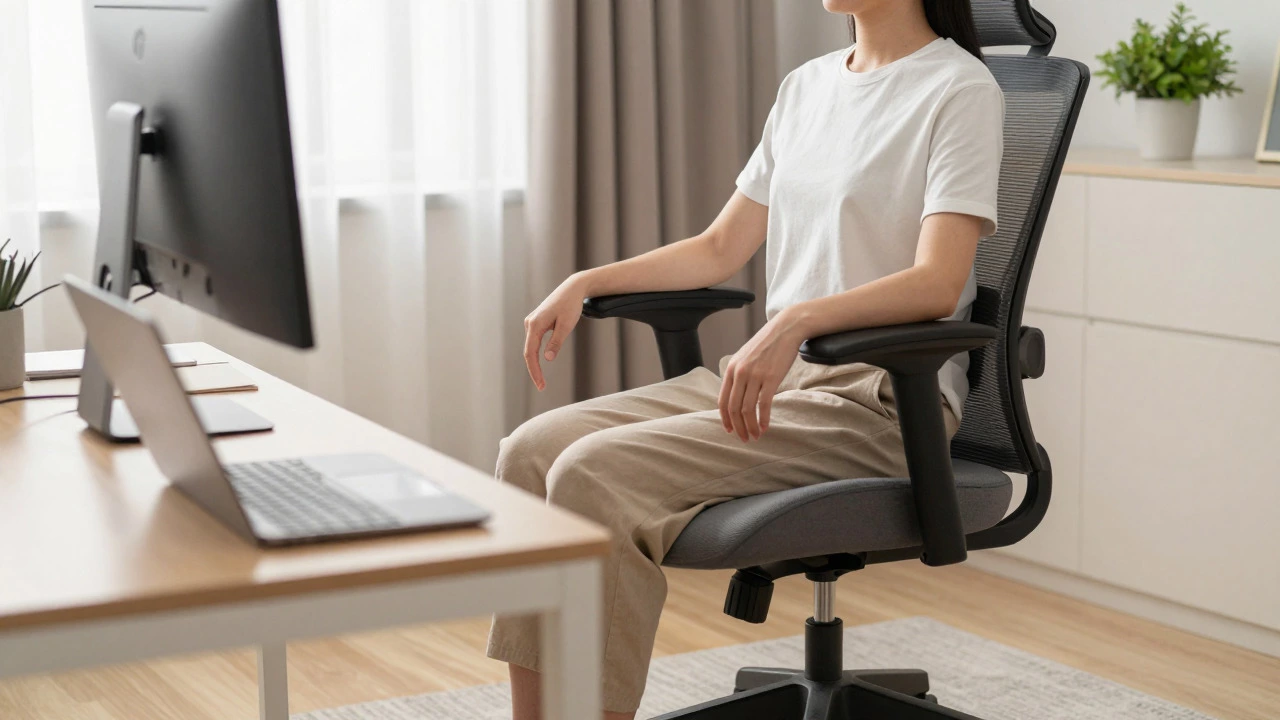
Setting Up Your Space Properly
Having the right chair is only half the battle. How you position it matters just as much. Whether you have a high-end ergonomic model or a simple desk chair, ensure your setup follows these basics:
- Feet Flat: Your knees should be at a 90-degree angle. If your feet dangle, use a footrest.
- Screens Eye-Level: The top of your monitor should align with your eyes to prevent neck strain.
- Elbows Supported: Keep your upper arms parallel to the floor, with forearms resting comfortably on armrests or the desk.
- Movement Breaks: No chair replaces standing. Use your chair’s tilt feature to shift positions every 30 minutes.
If your current chair doesn’t allow these adjustments, you’re fighting your equipment. That’s when it’s time to reconsider whether you’re using a desk chair for office work or vice versa.
Frequently Asked Questions
Can I use a desk chair for full-time remote work?
It’s possible, but not recommended. Desk chairs usually lack the adjustability needed to maintain healthy posture for 8+ hours. You may experience back pain or stiffness within weeks. If budget is tight, look for a basic task chair with at least height adjustment and lumbar support instead.
What is the main difference in base design between office and desk chairs?
Office chairs almost always feature a 5-star base with casters (wheels) for mobility, allowing you to move around your workspace easily. Desk chairs typically have a 4-leg base or a fixed pedestal, prioritizing stability over movement, which is suitable for dining or static reading spots.
Are mesh office chairs better than padded ones?
Mesh offers superior breathability, making it ideal for people who run hot or live in warmer climates. Padded chairs offer more cushioning for sensitive hips or thighs. There is no universal “better”; choose mesh for airflow and temperature control, or padded for maximum softness and pressure distribution.
How do I know if my current chair is ergonomic?
Check for three key features: adjustable lumbar support, adjustable armrests, and a tilt mechanism. If your chair lacks these, it is likely a standard desk chair. True ergonomic chairs allow you to fine-tune the fit to your body’s measurements, reducing the need to force your body into a fixed shape.
Is it worth spending more on a high-end office chair?
If you sit for 6+ hours daily, yes. Higher-end chairs typically last 10+ years versus 3-5 years for budget models. They also offer finer adjustment controls and better materials. Calculate the cost per year of use; a £500 chair lasting 10 years costs £50/year, which is often cheaper than frequent replacements or physiotherapy bills.