Sofa Positioning: Simple Tips to Make Your Living Room Work
Got a new sofa and no clue where it belongs? You’re not alone. The right spot makes the room feel bigger, keeps traffic moving, and lets you enjoy TV or conversation without a headache. Below are the basics you can apply right now.
Start with the Focal Point
Every living room has a focal point – usually a TV, fireplace, or a large window with a view. Position your sofa so it faces that point, but leave at least 2‑3 feet of walking space behind it. If the TV is low, angle the sofa a few degrees to avoid glare. When the room doesn’t have a clear focal point, pick one yourself, like a piece of art, and let the sofa anchor it.
Mind the Traffic Flow
Imagine walking through the room. You don’t want to weave around a sofa that blocks the doorway or creates a tight zig‑zag. Keep a clear path of at least 3 feet between the sofa and doors, stairs, or other furniture. If the room is narrow, place the sofa against the longest wall to open up the middle.
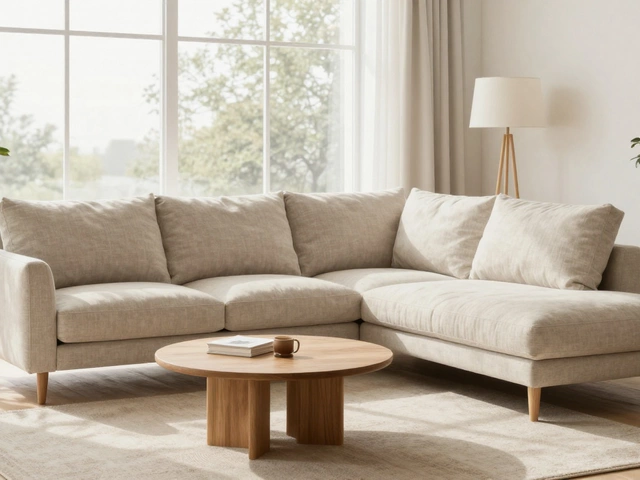
Size matters, too. A large sectional looks great against a big wall, but in a small apartment it can dominate the space. Measure the room, then use the "one‑third rule": the sofa should take up roughly a third of the floor area. This leaves room for side chairs, a coffee table, and still feels airy.
Lighting is another hidden factor. Put the sofa where you can enjoy natural light without direct sunlight hitting the fabric all day – that prevents fading and keeps the room comfy. If you rely on lamps, place a floor lamp behind or beside the sofa for reading.
Conversation zones boost comfort. Pair the sofa with one or two chairs at a similar height, creating a semi‑circle. Keep the coffee table within arm’s reach, about 18‑24 inches from the sofa seat. This setup encourages people to talk without straining.
Don’t forget the walls. Avoid positioning the sofa directly under a high‑traffic hallway or next to a noisy kitchen door. If you must, use a rug or a short console table to soften the flow.
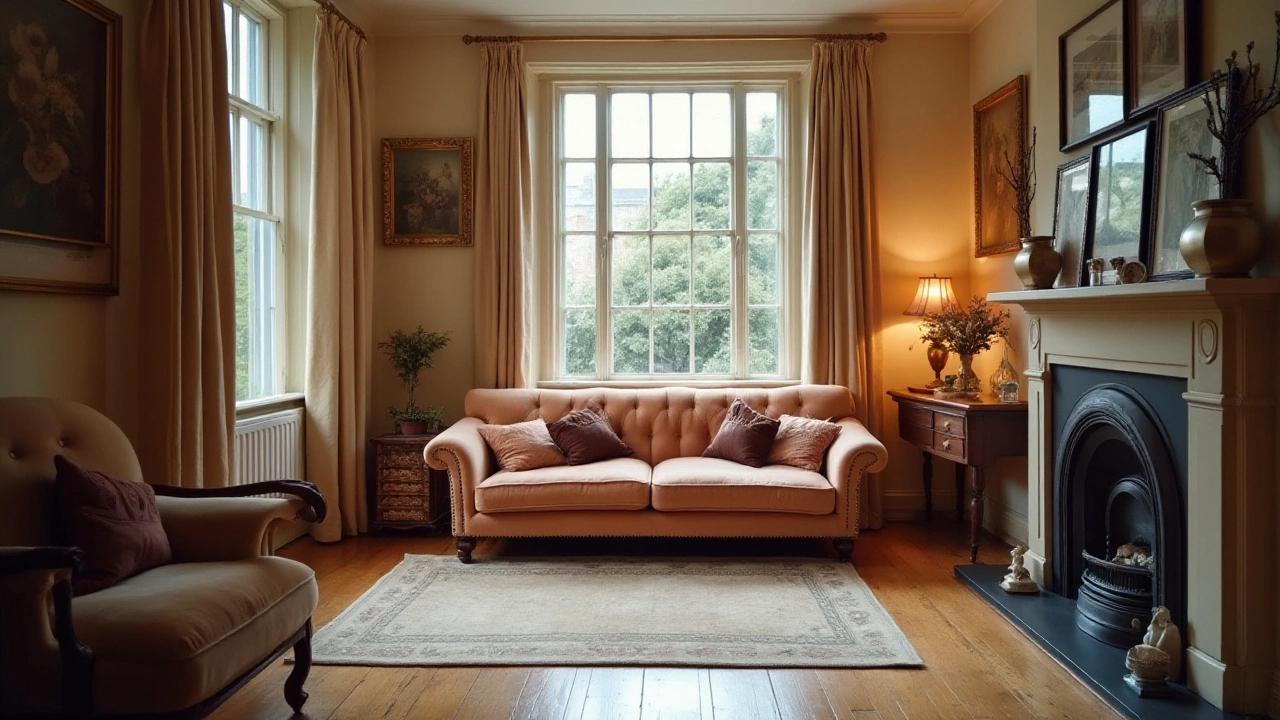
Feng shui fans often say the sofa should have a solid back wall for support. Practically, a wall behind the sofa gives a sense of security and hides any wires or legs. If you don’t have a wall, use a tall bookshelf or tall plant as a pseudo‑back.
Finally, test it out. Walk around, sit, and watch TV. If you feel cramped or need to twist to see the screen, tweak the angle or move it a foot forward. Small adjustments make a big difference.
By focusing on the focal point, keeping pathways clear, balancing size, and using lighting wisely, you’ll get a sofa placement that looks good and feels right. Try these steps and enjoy a living room that works for you, not against you.