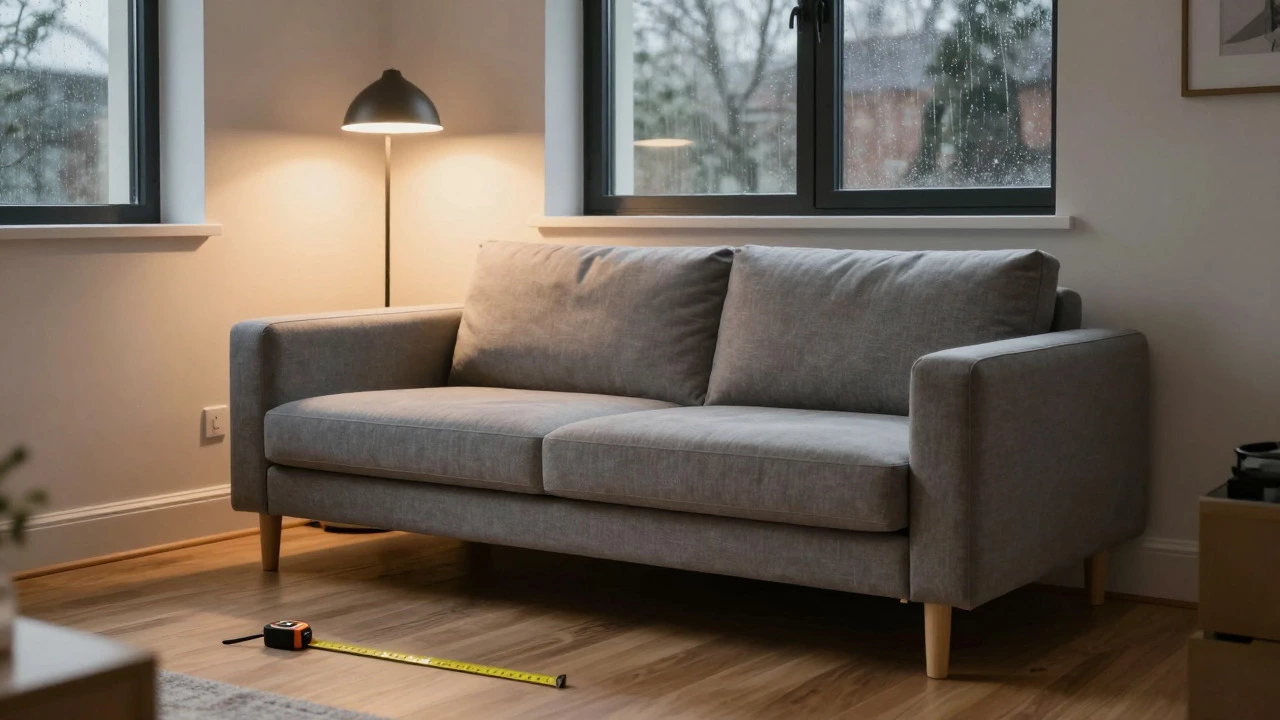
Sofa Bed Durability: What to Expect and How to Extend It
Thinking about a sofa bed? It looks great, but you probably wonder how long it will hold up. A good pull‑out couch can last 8‑10 years if you pick the right parts and treat it right. Below we break down the stuff that really matters – no jargon, just straight‑forward tips.
Key Factors That Affect Durability
Frame material. Solid hardwood (like oak or beech) is the gold standard. It bends less under weight and survives daily opening and closing. Metal frames can be sturdy too, but cheap steel may rust or bend, especially in damp UK homes.
Mechanism type. Look for a heavy‑duty, multi‑track slider or a recessed pull‑out system. The smoother the glide, the less strain on the joints. Avoid cheap plastic hinges – they crack after a few dozen uses.
Mattress composition. A high‑density foam or pocket‑spring mattress holds its shape better than a low‑grade foam topper. The higher the density, the less you’ll feel sagging or lumps after a few months.
Upholstery fabric. Natural fibres like cotton or linen breathe but can wear fast if brushed against rough surfaces. Synthetic blends (polyester‑cotton) often resist stains and pilling, making them a practical choice for busy families.
Weight capacity. Each sofa bed lists a maximum load – stick to it. Overloading the mechanism shortens its life, and the couch frame can crack under too much pressure.
Tips to Keep Your Sofa Bed Going Strong
1. Rotate the mattress. Every 3‑4 months flip or rotate the mattress to even out wear. It’s a tiny step that stops one side from sagging.
2. Use a protective cover. A washable slipcover shields the fabric from spills, pets, and everyday friction. Replace it regularly to keep the couch looking fresh.
3. Mind the mechanism. Open and close the bed with a smooth motion, never yank it. If it feels sticky, sprinkle a bit of silicone spray on the rails – wipe away any excess.
4. Control humidity. Excess moisture can warp wood frames and encourage mould on fabric. Keep the room at a stable 40‑60% humidity and avoid placing the sofa near a wet wall.
5. Limit heavy loads. Don’t store big boxes or gym equipment on the sofa when it’s folded. Keep the surface clear so the frame isn’t stress‑tested unintentionally.
6. Regular inspection. Every six months, check for loose screws, squeaky joints, or frayed fabric. Tighten or repair early to avoid bigger problems later.
7. Choose the right size. A sofa that perfectly fits your room will be used less aggressively. If it’s cramped, you’ll end up pulling it open with extra force, which hurts the mechanism.
By focusing on these basics – solid frame, sturdy mechanism, good mattress, and a bit of upkeep – you can enjoy a comfy sofa bed for years without the nightmare of constant repairs. A durable pull‑out couch isn’t a myth; it just needs the right build and a little care from you.