Sofa Bed Worthiness Calculator
You’re staring at that empty corner of your living room. You need a place for guests to sleep when they visit, but you also refuse to sacrifice your daily comfort for a lumpy mattress hidden inside a cheap frame. The question isn’t just about buying furniture; it’s about whether you’re willing to compromise on one of the most important pieces of furniture in your home to save space.
The short answer? Yes, getting a sofa bed is worth it-but only if you pick the right mechanism for your lifestyle. If you buy the wrong type, you’ll end up with a couch that hurts your back during the day and a bed that keeps your guests awake at night. Let’s break down exactly what makes these hybrid pieces work, where they fail, and how to avoid the common traps that turn them into expensive regrets.
The Reality Check: Who Actually Needs One?
Before you scroll through catalogs, ask yourself who will actually use this thing. Most people think they need a sofa bed because "guests might come over." But let’s be real. How often do you host overnight visitors? Once a year? Once every three years? Or is this for a spare room that doubles as a home office or gym?
If you have a dedicated guest bedroom, a standard sofa is almost always better. It lasts longer, looks better, and feels more luxurious. However, if you live in a studio apartment, a one-bedroom flat in Leeds, or any space under 800 square feet, a sofa bed stops being a luxury and becomes a necessity. It solves the critical problem of zoning: separating your sleeping area from your living area without building walls.
Consider the "frequency factor." If you expect someone to sleep on it more than twice a month, you need a high-end model. If it’s purely for emergency crash pads, you can get away with budget options. Misjudging this frequency is the number one reason people regret their purchase.
The Mechanism Matters More Than the Fabric
Not all sofa beds are created equal. In fact, the internal mechanism determines 90% of your experience. There are three main types you’ll encounter, and each has distinct pros and cons.
| Type | Ease of Use | Sleeping Comfort | Best For |
|---|---|---|---|
| Pull-Out Sleeper | Medium (requires lifting) | High (full-size mattress) | Frequent guests, larger rooms |
| Futon / Click-Clack | Easy (one hand) | Low (thin padding, hinges) | Occasional use, tight budgets |
| Click-Clack / Wall Hugger | Very Easy | Medium-High | Small spaces, narrow hallways |
Pull-Out Sleepers are the traditional gold standard. They feature a full mattress that slides out on rails. Because they use a real mattress-often memory foam or innerspring-they offer the best sleep quality. The downside? They require significant floor space to open up. You need about 36 inches of clearance in front of the sofa to pull the mechanism out. If your living room is cramped, this won’t work.
Futons are simple folding frames with thin mattresses. They are cheap and easy to fold, but the hinge in the middle creates a painful pressure point for side sleepers. Unless you’re buying a premium Japanese-style futon with thick tatami mats, avoid these for anyone over the age of 30. Your lower back will thank me later.
Wall Huggers are a modern innovation that folds forward rather than pulling out. This means you only need about 15 inches of clearance. They are perfect for apartments where every inch counts. The trade-off is usually a slightly thinner mattress profile compared to heavy-duty pull-outs, but the convenience is unmatched.
The Comfort Compromise: Can You Really Sleep Well?
Let’s address the elephant in the room: sofa beds are rarely as comfortable as a dedicated bed. Even the best models have some give in the frame, which can cause sagging. However, technology has improved drastically since the days of metal slats that dug into your hips.
To maximize comfort, look for specific attributes:
- Mattress Thickness: Aim for at least 4 to 6 inches of padding. Anything less feels like camping on a board.
- Material: Memory foam conforms to your body and hides the gaps between slats. Innerspring offers support but can feel bouncy and noisy.
- Frame Stability: Sit on the closed sofa and press down hard. Does it wobble? A sturdy hardwood or reinforced steel frame prevents that annoying "rocking" sensation when you try to sleep.
I recently tested a mid-range wall hugger for a week. During the day, it felt firm but supportive. At night, I used a 2-inch memory foam topper. That simple addition transformed the experience. Without the topper, I woke up stiff. With it, I slept soundly. If you plan to use the bed regularly, budget for a high-quality topper. It’s not an optional extra; it’s essential.
Durability: Will It Survive Daily Use?
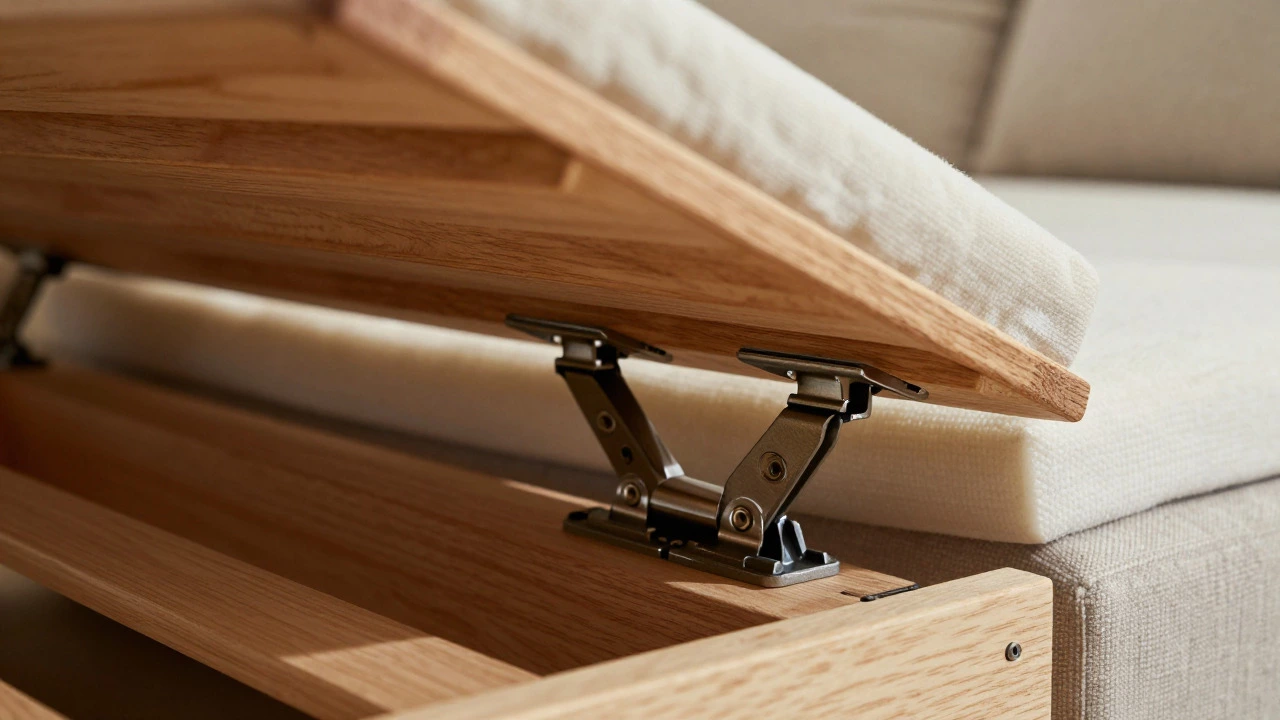
A sofa bed works twice as hard as a regular sofa. It gets sat on, then slept on. The mechanisms undergo stress cycles that regular couches never see. If you buy a cheap particleboard model from a fast-fashion retailer, expect it to break within two years. The gas lifts will fail, the fabric will pill, and the frame will crack.
Look for these durability indicators:
- Weight Capacity: A good sofa bed should support at least 400-500 lbs combined for seating and sleeping. Check the specs.
- Warranty Length: Brands confident in their mechanics offer 5-10 year warranties on the frame and mechanism. A 1-year warranty is a red flag.
- Upholstery Type: Leather or performance fabrics (like Crypton) resist stains and wear better than loose-weave cotton. If you have pets, stick to tight-weave synthetics.
In my experience, investing in a brand that specializes in sleeper sofas-rather than a general furniture store’s house brand-pays off. These specialists understand the engineering required to keep the mechanism smooth after hundreds of conversions.
Space Planning: Measuring Twice, Buying Once
This is where most people mess up. You don’t just measure the sofa; you measure the *open* configuration.
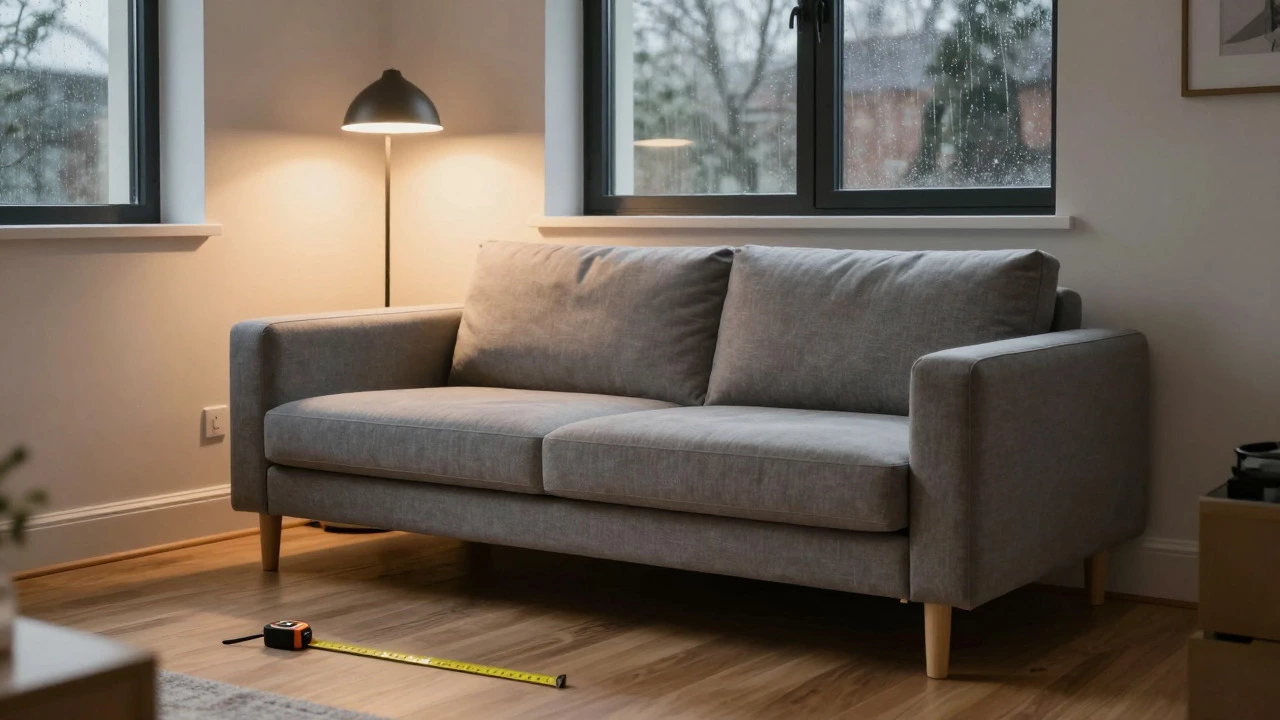
When a pull-out sofa opens, it extends outward by nearly half its length. If your sofa is 80 inches wide, it needs another 40 inches of clear floor space to operate. If you have a coffee table in front of it, you’ll have to move it every time you convert the bed. That’s annoying.
For small spaces, consider the dimensions carefully:
- Width: Standard double sleepers are around 75-80 inches wide. Twin sleepers are narrower, around 60 inches, making them easier to fit in tight spots.
- Depth: Ensure the back of the sofa doesn’t hit a wall or window sill when opened.
- Ceiling Height: Some sectional sofa beds have chaise lounges that lift up. Make sure you have enough vertical clearance.
If you’re unsure, take a tape measure to a showroom. Open and close the models. Feel the resistance. See how much space it takes. Your eyes will deceive you online; your muscles won’t lie.
Cost vs. Value: Is It Too Expensive?
Sofa beds cost more than regular sofas of similar size. Why? Because of the complex mechanism and the additional mattress material. A decent quality sofa bed starts around £800-£1,200 in the UK market. High-end models with premium mattresses can exceed £2,500.
Is it worth the premium? Calculate the alternative. Renting an Airbnb for a weekend costs £100-£200. Hosting friends there saves you money immediately. Over five years, those savings add up. Plus, you gain versatility. You’re not just buying a bed; you’re buying flexible living space.
However, don’t overspend. You don’t need a £3,000 designer piece unless aesthetics are your top priority. Focus your budget on the mechanism and mattress quality, not the decorative legs or armrests.
Maintenance and Cleaning Tips
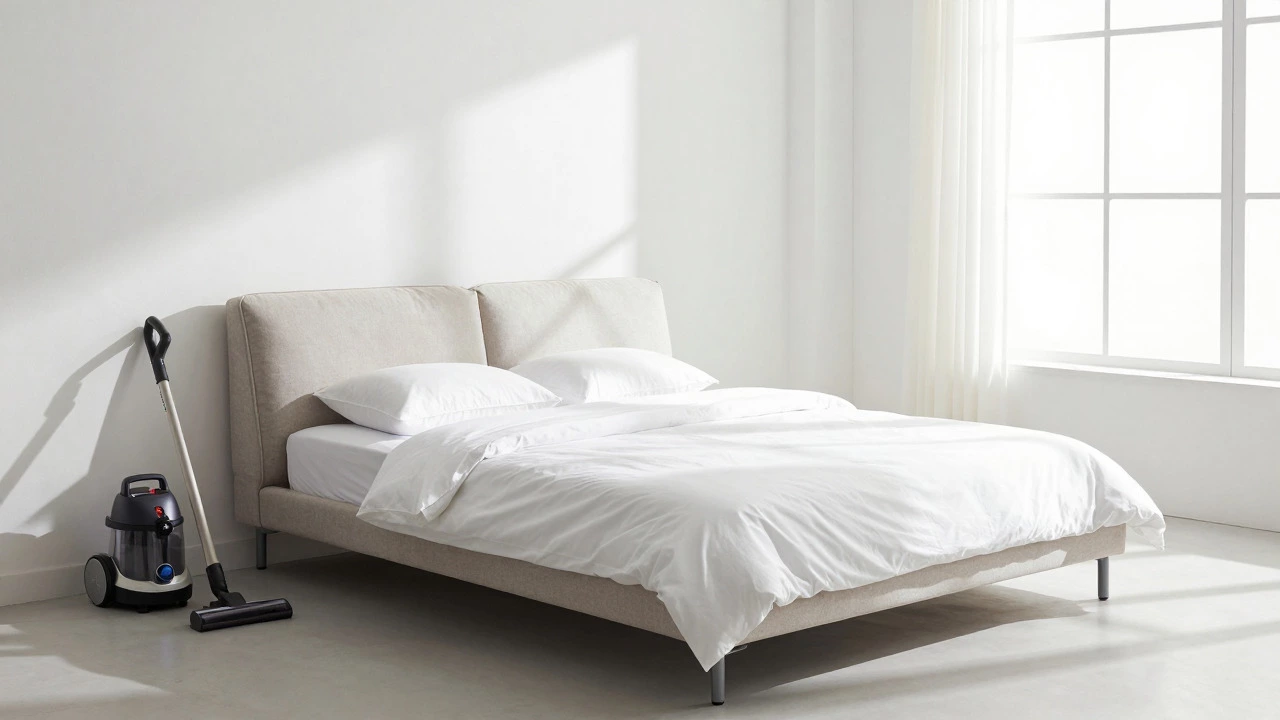
Sofa beds collect dust and debris in places regular sofas don’t. The crevices where the mattress folds are magnets for crumbs, pet hair, and dust mites. To keep yours fresh:
- Vacuum Regularly: Use a crevice tool to clean between the cushions and along the frame tracks once a month.
- Air It Out: When you convert the bed, leave it open for a few hours to allow airflow. This prevents mold and musty smells, especially in humid climates.
- Protect the Mattress: Always use a washable mattress protector. It’s easier to wash a sheet than to deep-clean a built-in foam mattress.
Neglecting maintenance leads to odors that are nearly impossible to remove. Trust me, no guest wants to sleep on a sofa that smells like damp basement.
Final Verdict: Should You Buy One?
Getting a sofa bed is worth it if you value flexibility and space efficiency. It is a smart investment for small homes, frequent hosts, and multi-functional rooms. But it is not a magic solution. You will sacrifice some seating comfort and aesthetic simplicity.
My advice? Prioritize the mechanism. Choose a wall hugger if space is tight. Choose a pull-out if comfort is king. And whatever you do, test it before you buy. Your spine-and your guests’ sleep quality-depends on it.
Are sofa beds bad for your back?
Not necessarily. Cheap sofa beds with thin mattresses and weak frames can cause back pain due to lack of support. However, high-quality models with memory foam or orthopedic mattresses provide adequate support. Using a mattress topper can significantly improve spinal alignment and comfort.
How long does a good sofa bed last?
A well-made sofa bed with a sturdy hardwood or steel frame can last 7 to 10 years with regular use. Cheaper models may start showing signs of wear, such as squeaky mechanisms or sagging cushions, within 2 to 3 years. Regular maintenance and avoiding excessive weight can extend its lifespan.
What is the difference between a futon and a sofa bed?
A futon typically consists of a simple folding frame with a thin mattress that folds directly onto the seat. A sofa bed (or sleeper sofa) usually has a hidden mattress stored inside the frame that pulls out or unfolds. Sofa beds generally offer better comfort and durability, while futons are cheaper and easier to maneuver.
Do I need a mattress topper for a sofa bed?
Yes, highly recommended. Even expensive sofa beds often have firmer or thinner mattresses than standard beds. A 2-3 inch memory foam or latex topper adds cushioning, improves temperature regulation, and protects the built-in mattress from stains and wear.
Can I use a sofa bed every night?
While possible, it’s not ideal for daily use. The mechanisms are designed for occasional conversion. Frequent opening and closing can wear out the springs and gas lifts faster. Additionally, the seating comfort may degrade quicker if used as a primary bed. If you need a permanent bed, buy a separate sofa and bed.