Corner Sofa Placement Planner
Room & Sofa Dimensions
Buying a corner sofa is exciting. It’s cozy, it seats the whole family, and it looks great in photos. But once you get it home, that excitement can turn into panic. You realize your beautiful L-shaped sofa is a large piece of furniture that dominates the room's footprint doesn't fit where you thought it would. Or worse, it fits, but now you can’t walk to the TV without climbing over cushions.
Placing a corner sofa isn’t just about finding an empty wall. It’s about managing traffic flow, defining zones, and making sure the room feels balanced rather than cluttered. If you place it wrong, your living room will feel cramped and awkward. Get it right, and it becomes the anchor of a comfortable, functional space. Here is how to figure out exactly where that sofa belongs.
Measure Before You Dream
The biggest mistake people make is buying the sofa before measuring the room. And I don’t mean just checking if it fits through the door. You need to understand the scale of your space relative to the furniture. A standard three-seater with a chaise might be 250cm long and 180cm deep. That is huge.
Start by drawing a rough floor plan of your living room. Include windows, doors, radiators, and any built-in shelves. Then, cut out pieces of paper or use masking tape on the floor to represent the sofa’s dimensions. This tactile approach reveals problems you miss on paper. Does the chaise block the path to the kitchen? Does it crowd the fireplace?
- Clearance Space: Leave at least 60-90cm between the sofa and other furniture for easy walking.
- Legroom Check: Ensure there is enough depth so people can sit comfortably without their knees hitting a coffee table or wall.
- Door Swing: Make sure the sofa doesn’t obstruct the opening of any doors or cupboards.
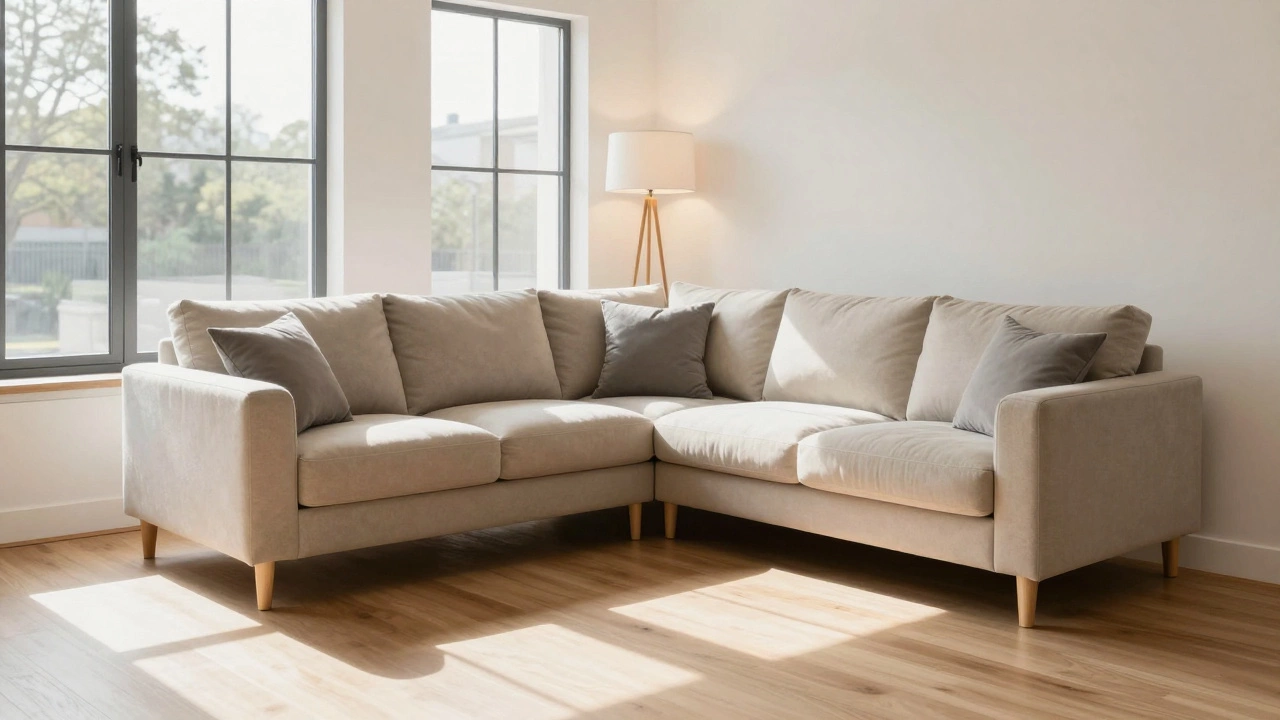
If you live in a smaller apartment, like many do in Leeds, every centimeter counts. In tight spaces, you might need a compact corner sofa or one with exposed legs to create a sense of airiness under the frame.
The Traffic Flow Rule
Your living room is a hub of activity. People move from the entrance to the TV, to the kitchen, to the balcony. Your sofa should not be an obstacle course. The golden rule of interior design is to keep main pathways clear.
Avoid placing the corner sofa in the middle of a high-traffic route. If your living room connects the hallway to the dining area, the sofa shouldn’t force people to weave around it. Instead, tuck it into a corner where natural movement flows along its sides, not across its front. Think of the sofa as a wall that defines a zone, not a barrier that blocks it.
If you have a narrow room, consider placing the sofa against the longest wall, with the chaise extending towards the center but leaving a wide aisle. This keeps the primary walkway open while still utilizing the corner’s volume. Never sacrifice circulation for seating capacity. A crowded room feels stressful, no matter how comfortable the cushions are.
Defining Zones in Open-Plan Spaces
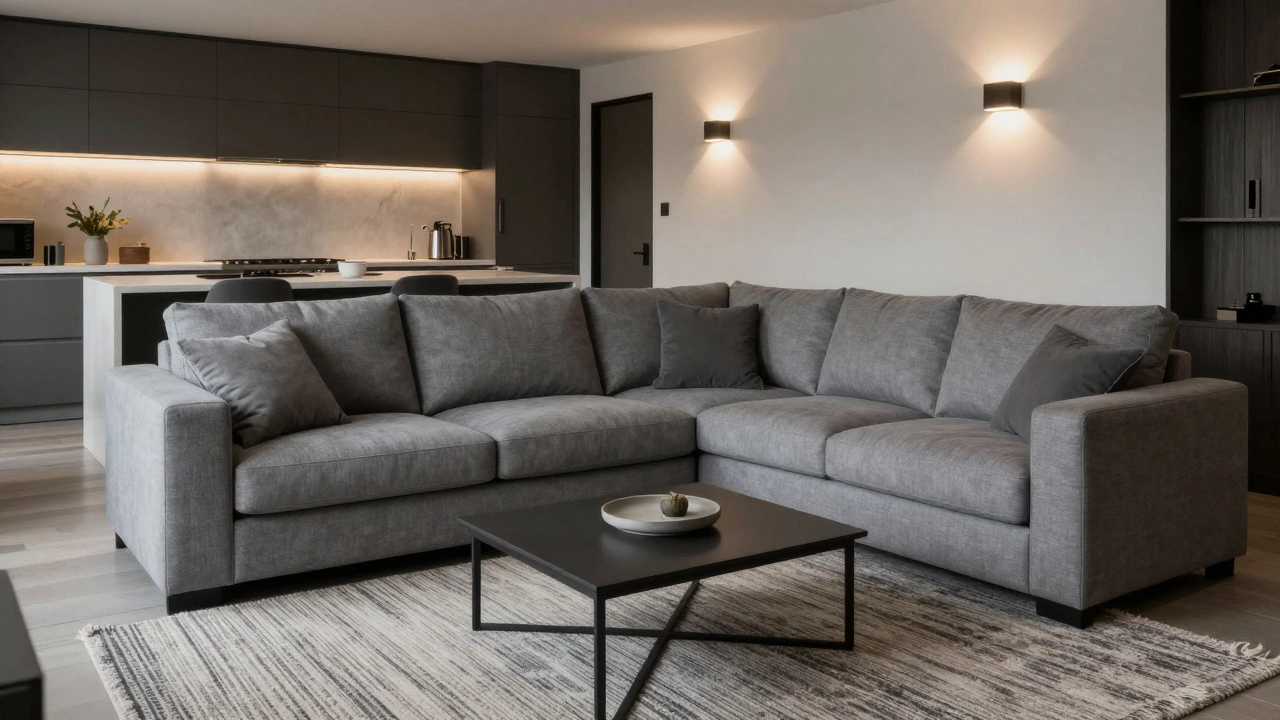
In modern homes, especially those with open-plan layouts, the living room often merges with the kitchen or dining area. Here, the corner sofa plays a critical role in zoning. It acts as a visual divider, separating the relaxation area from the cooking or eating space without building physical walls.
To do this effectively, position the back of the sofa facing the kitchen or dining zone. This creates a psychological boundary. You can enhance this effect by placing a rug under the sofa and coffee table, which anchors the seating area visually. The rug tells your brain, "This is the lounge zone," while the rest of the floor remains part of the adjacent space.
Be careful not to isolate the sofa too much. If you push it too far into the corner, it can look like an afterthought. Pull it slightly away from the walls if possible, or ensure there is enough lighting behind it to prevent it from looking stuck in a dark alcove. Good lighting makes the sofa feel integrated rather than trapped.
Facing the Focal Point
Every living room has a focal point. It might be a television, a fireplace, a large window with a view, or even a piece of art. The corner sofa should ideally face this focal point. This ensures that everyone sitting on the sofa has a comfortable viewing angle and that the room feels cohesive.
If your focal point is a TV, avoid placing the sofa directly opposite if it forces viewers to twist their necks. An L-shape allows for flexible seating. You can arrange the sofa so that the main seat faces the TV, while the chaise extends perpendicularly. This way, people on the chaise can still see the screen, albeit from an angle, or they can relax and chat with those on the main section.
If the focal point is a window, be cautious. Placing a bulky sofa directly in front of a large window blocks natural light and ruins the view. Instead, use the window as a backdrop. Place the sofa parallel to the window wall, allowing light to wash over the seating area. This brightens the room and makes the sofa look more inviting.
Small Rooms vs. Large Rooms
The strategy changes drastically depending on the size of your room. In a small living room, a massive corner sofa can overwhelm the space. You need to choose wisely.
| Room Type | Sofa Style Recommendation | Placement Tip |
|---|---|---|
| Small / Narrow | Compact L-shape or Chaise only | Tuck into the deepest corner; leave main pathway clear. |
| Medium / Standard | Standard 3-seat + Chaise | Anchor against two walls; balance with a side chair or plant. |
| Large / Open Plan | Modular or U-shaped Sectional | Use to define zones; float in the center if space allows. |
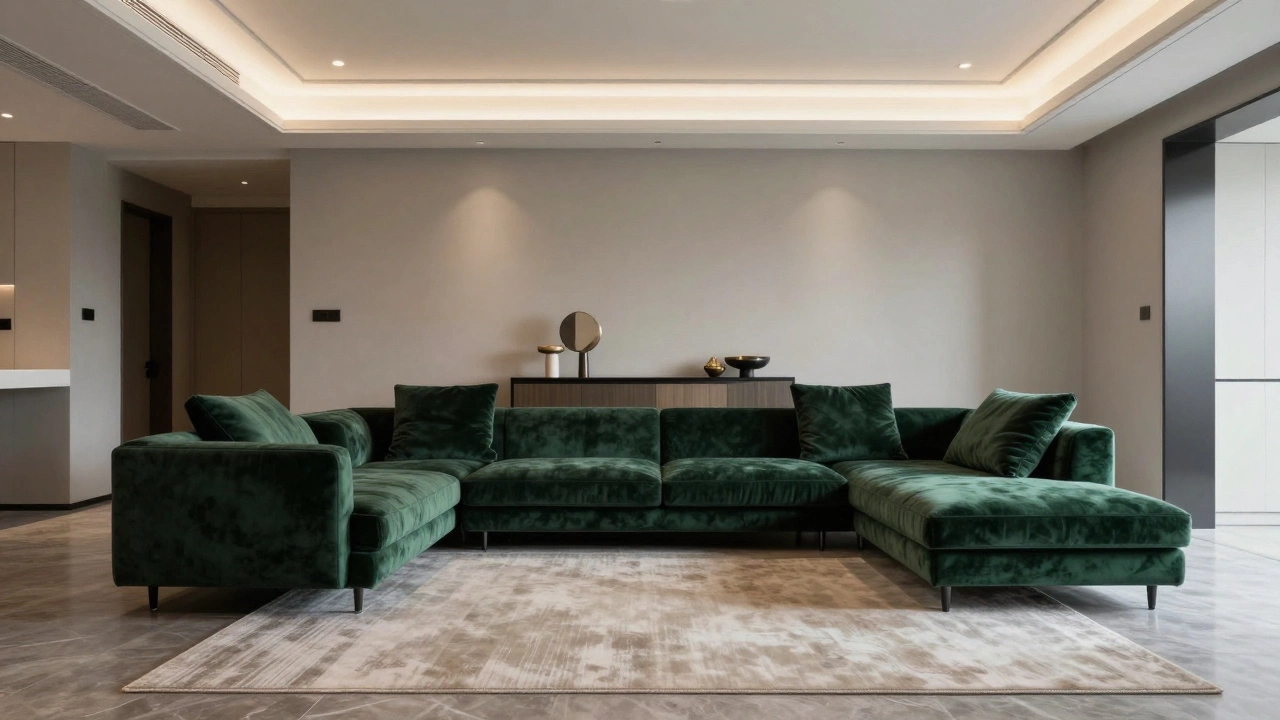
In larger rooms, you have more freedom. You can "float" the sofa, meaning you don’t push it all the way against the walls. This creates a more luxurious, hotel-like feel. However, floating requires significant space. If you pull the sofa away from the wall, ensure you have something behind it-a console table, a bookshelf, or a runner rug-to fill the void. Otherwise, it will look lost and disconnected.
Lighting and Ambiance
Don’t forget about lighting. A corner sofa placed in a dark corner can become a shadowy trap. Ensure there is adequate ambient light in the seating area. Floor lamps placed near the ends of the sofa provide task lighting for reading and add warmth to the space.
If your sofa is against a wall, consider wall-mounted sconces above it. This draws the eye upward and prevents the room from feeling low-ceilinged. Avoid placing heavy pendant lights directly over the sofa unless they are adjustable and positioned to avoid glare when watching TV.
Common Mistakes to Avoid
I’ve seen many living rooms ruined by poor sofa placement. Here are the top pitfalls to dodge:
- Blocking Radiators: Never place a sofa in front of a radiator. It traps heat, wastes energy, and makes the room unevenly warm.
- Crowding the Coffee Table: Ensure there is 45-50cm between the sofa seat and the coffee table. Less than this feels cramped; more makes it hard to reach your drink.
- Ignoring Proportions: A tiny sofa in a huge room looks childish. A giant sofa in a small room looks chaotic. Match the scale.
- Forgetting the View: Don’t block scenic views with high-back sofas unless necessary. Choose lower profiles if the window is the star.
Remember, furniture arrangement is not set in stone. Life changes. Kids grow up, work-from-home needs shift, and tastes evolve. Use lightweight rugs and movable side tables to allow for flexibility. If a layout doesn’t feel right after a week, try moving the sofa. Sometimes, a simple rotation of 90 degrees solves all your problems.
Can I put a corner sofa in a small living room?
Yes, but you must choose a compact model. Look for sofas with slim arms and exposed legs to create visual space. Measure carefully to ensure it doesn’t block doorways or main walkways. A chaise-only configuration often works better than a full L-shape in very tight spaces.
Should the corner sofa face the TV or the window?
Ideally, it should face the primary activity area. If you watch TV most evenings, orient the main seating towards the screen. If you prefer natural light and conversation, face the window. Avoid blocking the window entirely; place the sofa parallel to it to let light in.
How much space do I need around a corner sofa?
Leave at least 60cm (24 inches) for main walkways and 45cm (18 inches) between the sofa and coffee table. This ensures comfortable movement and prevents the room from feeling cluttered.
Is it okay to float a corner sofa in the middle of the room?
Only if you have a large room. Floating a sofa requires ample space on all sides to avoid a cramped look. If you float it, use a large rug to anchor the seating area and consider adding a console table behind it for balance.
Which direction should the chaise face?
The chaise should extend away from high-traffic areas. If the entrance is on the left, place the chaise on the right. Also, consider the focal point; the chaise can provide a relaxed viewing angle for secondary activities like reading or chatting.