Sleep Apnea Elderly: What You Need to Know
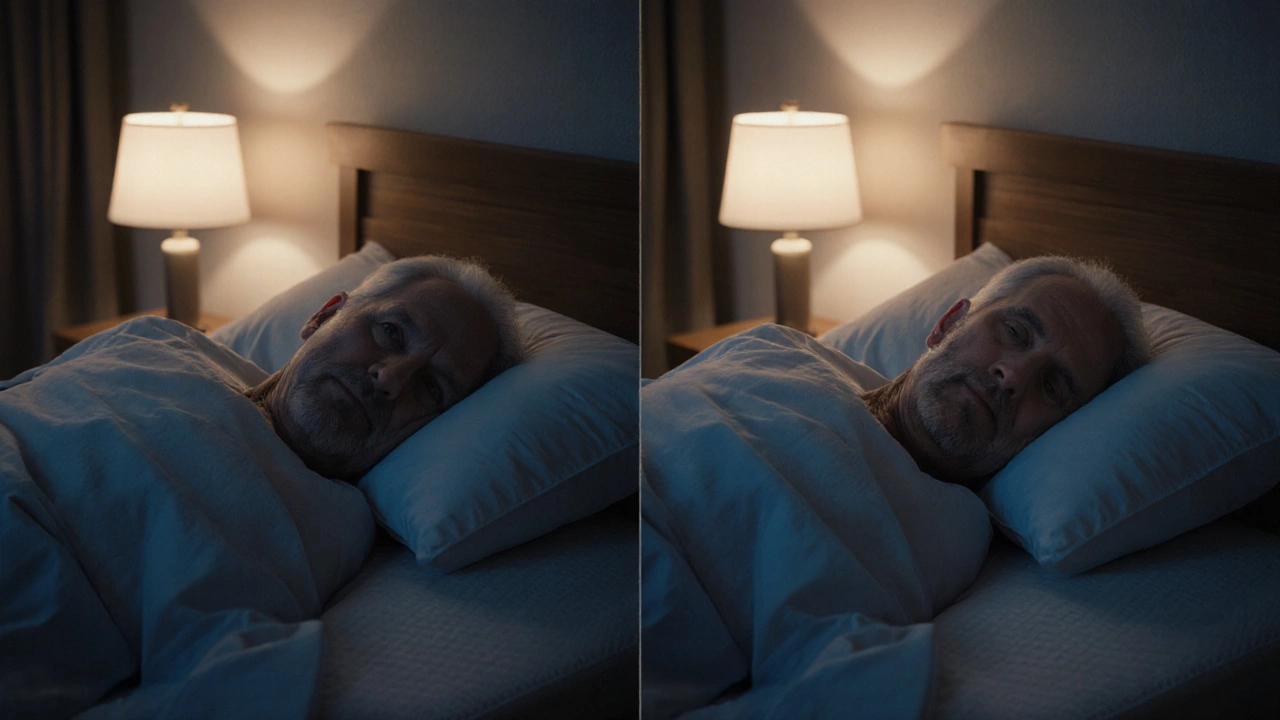
When dealing with sleep apnea elderly, a condition where breathing repeatedly stops during sleep in older adults. Also known as elderly sleep apnea, it often hides behind snoring, daytime fatigue, or subtle memory lapses. The condition is tightly linked to CPAP therapy, a proven machine that keeps the airway open, and to sleep quality, which drops dramatically when breathing pauses go unchecked. Another key piece of the puzzle is risk factors, such as high blood pressure, obesity, and age‑related muscle tone loss. Understanding how these pieces fit together helps you tackle the problem before it worsens.
First, sleep apnea elderly encompasses a range of risk factors that make older adults especially vulnerable. Age‑related changes in airway structure, combined with chronic conditions like heart disease, create a perfect storm for breathing interruptions. When the airway collapses, oxygen levels dip, triggering the brain to briefly wake up – a cycle that repeats dozens of times each night. This cycle not only shatters sleep quality but also spikes blood pressure, raises the risk of strokes, and accelerates cognitive decline. The good news? CPAP therapy mitigates these effects by delivering steady air pressure, keeping the airway open and allowing uninterrupted rest. Improved sleep quality, in turn, reduces daytime sleepiness, supports better mood, and lowers the chance of falls – a major concern for senior independence.
If you’re looking for clear advice on sleep apnea elderly, you’re in the right place. Below you’ll discover a mix of practical articles that address the day‑to‑day challenges older adults face when trying to sleep soundly. From choosing the right bedroom furniture – like a supportive sofa bed or a low‑profile TV stand that doesn’t obstruct breathing – to optimizing room layout for better airflow, our guides blend health insights with actionable home‑improvement tips. Dive into the collection and find the steps that will help you or a loved one breathe easier, rest deeper, and stay safer at home.